
CoreWeave Extends NVIDIA A100 AI Use Through 2029, Giving Ampere a 9 Year Run
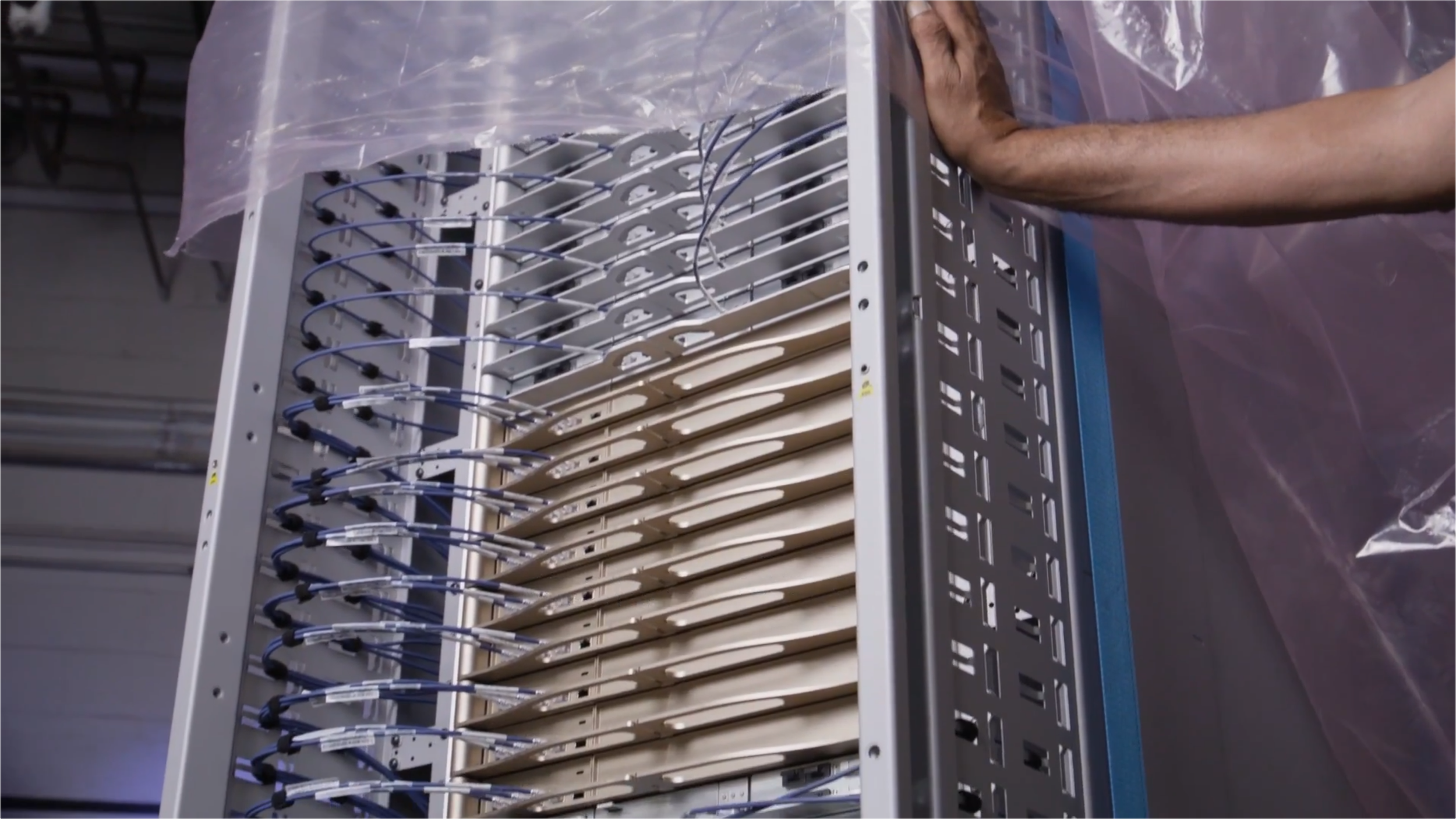
NVIDIA's A100 is proving that older AI accelerators can remain commercially relevant much longer than expected. During its Q2 2026 earnings call, CoreWeave confirmed that it recently signed a customer contract for NVIDIA A100 capacity extending into 2029, potentially keeping Ampere hardware generating revenue nearly 9 years after the GPU architecture entered the data center market in 2020.
"We recently signed an A100 contract that extends into 2029 at an attractive price."
— Quote by: Nitin Agrawal, CoreWeave CFO
CoreWeave explained that its earlier NVIDIA GPU generations remain largely sold out even as newer Hopper, Blackwell, and Rubin platforms enter the market. Once the original contracts attached to older GPU clusters expire, CoreWeave can offer that already installed infrastructure to new customers. Because the initial deployment has already generated returns and repaid the asset level financing used to purchase the equipment, additional contracts can provide further revenue from hardware that might otherwise have been considered near the end of its commercial life.
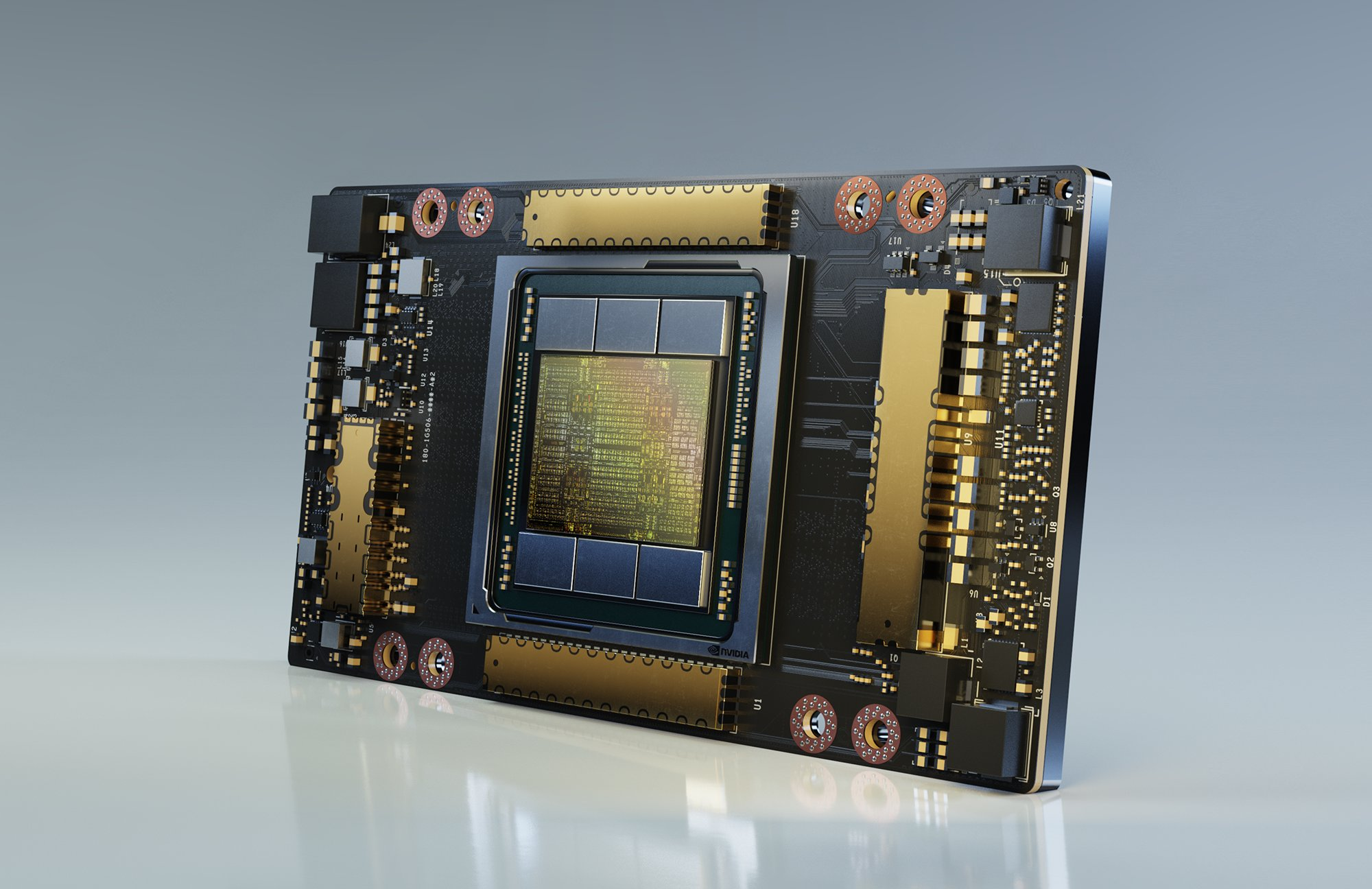
The NVIDIA A100 is based on the Ampere architecture and remains capable of handling AI, data analytics, and HPC workloads. The 80 GB model provides HBM2e memory with up to 2.039 TB/s of bandwidth, while Multi Instance GPU support allows a single A100 to be divided into as many as 7 GPU instances. Those capabilities remain useful for workloads that do not require the performance or efficiency of NVIDIA's newest architectures.
NVIDIA CEO Jensen Huang also highlighted the extended lifespan of the platform, arguing that CUDA allows NVIDIA to continue improving the usefulness of existing generations instead of treating each new GPU architecture as an immediate replacement for the previous one.
The mighty A100 fleet are mission-capable from 2020 through 2029. NVIDIA computing is more than chips. CUDA gives developers and NVIDIA engineers a common platform to continually upgrade Ampere, Hopper and Blackwell throughout their useful lives.
— Jensen Huang (@JensenHuang) August 13, 2026
CUDA makes NVIDIA computing… https://t.co/KQ1kp7Vpae
The economics are becoming increasingly important as AI infrastructure investment accelerates. CoreWeave reported Q2 2026 revenue of 2.575 billion dollars, up 112% compared with the previous year, while revenue backlog reached approximately 104 billion dollars. CoreWeave says older generation GPU pricing also remains around or above levels observed roughly 1 year ago, suggesting demand for available compute continues to support hardware well beyond its first deployment cycle.
At the same time, CoreWeave is operating at the opposite end of NVIDIA's hardware roadmap. The company has already begun validating NVIDIA Vera Rubin NVL72, showing how an AI cloud provider can deploy the latest rack scale hardware while continuing to monetize considerably older Ampere infrastructure for workloads where maximum performance is unnecessary.
The A100 reaching contracted use through 2029 challenges the idea that AI GPUs automatically become economically obsolete every time NVIDIA introduces a new architecture. Blackwell and Rubin will dominate workloads where maximum training performance, inference efficiency, and memory capacity justify the investment, but not every customer needs the newest silicon.
For cloud providers, the real value of older GPUs may increasingly come from matching the right workload to the right generation. If CUDA support, software optimization, existing power infrastructure, and lower deployment costs keep Ampere productive, an A100 cluster can remain profitable even while far more advanced hardware is being installed beside it. That could also strengthen the financial case behind the enormous amounts of capital currently being invested in AI infrastructure.
Would you still rent A100 compute in 2029 if the price was significantly lower than Blackwell or Rubin, or would the efficiency advantages of newer GPUs make upgrading the better option?
