
Sony PS6 Handheld Could Be the Only RDNA 5 Portable as AMD Reportedly Demands Larger Chip Orders
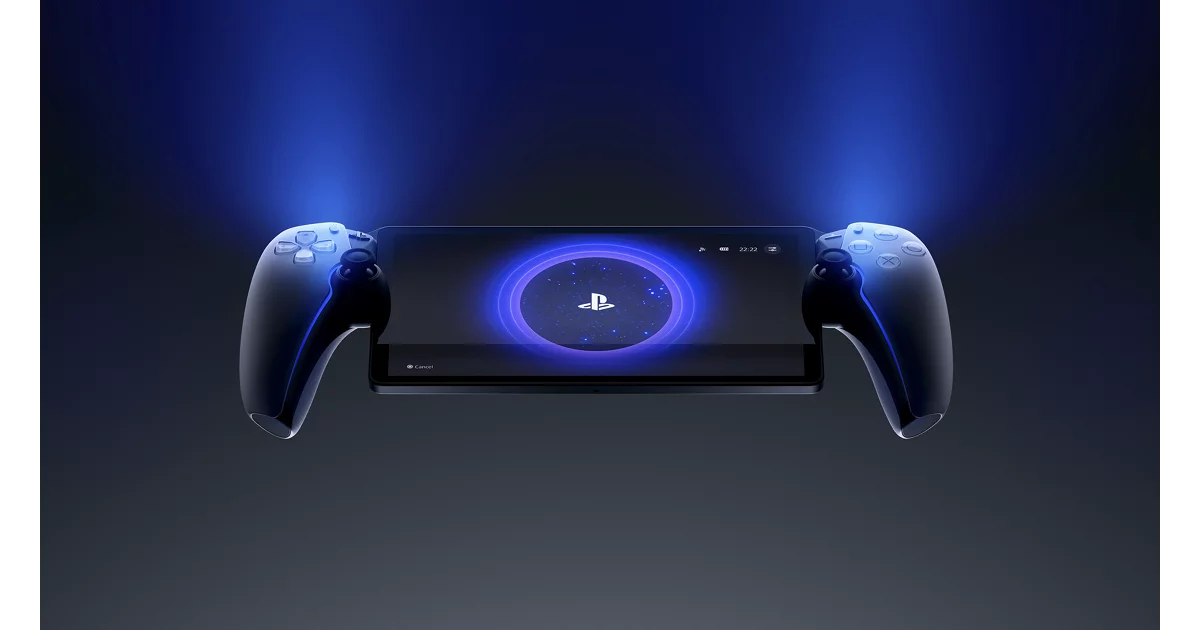
Sony's rumored PlayStation 6 handheld could become the only portable gaming device equipped with a dedicated AMD RDNA 5 processor, potentially giving PlayStation a significant technological advantage over future Xbox handhelds, Valve's Steam Deck successor and other portable gaming PCs. According to comments attributed to Digital Foundry's Richard Leadbetter, Sony may have secured a form of exclusivity over AMD's next generation graphics architecture, although the arrangement appears to involve manufacturing commitments rather than a traditional exclusive licensing agreement.
During a recent Digital Foundry Direct discussion, Leadbetter reportedly mentioned conversations suggesting Sony has an exclusive arrangement of sorts involving RDNA 5 for its upcoming handheld. The claim, subsequently shared on Reddit, suggests that AMD is becoming more selective about developing specialized processors for manufacturers unable to guarantee substantial production volumes.
Hardware insider Kepler_L2 previously suggested that Microsoft would need to commit to approximately 10 million processors to justify development of a dedicated AMD handheld chip. Sony's established PlayStation ecosystem could potentially support such manufacturing commitments, while smaller handheld manufacturers may find the investment difficult to justify. However, the reported threshold remains unconfirmed, and there is no evidence that AMD has formally restricted RDNA 5 technology to Sony.
The rumored PlayStation handheld, internally known as Project Canis, has previously been associated with AMD's Zen 6 CPU architecture and RDNA 5 graphics.
The latest speculation reinforces earlier Project Canis hardware reports, which suggest Sony could prioritize power efficiency and AI image reconstruction rather than relying exclusively on raw GPU performance.
Through their established Project Amethyst partnership, Sony and AMD have already demonstrated 3 technologies intended to advance future graphics architectures: Neural Arrays, Radiance Cores and Universal Compression. Neural Arrays allow groups of GPU Compute Units to cooperate during AI processing, potentially improving upscaling efficiency. Radiance Cores accelerate ray tracing operations, while Universal Compression reduces memory bandwidth requirements by compressing additional types of graphics data.
These improvements could prove particularly valuable in handheld hardware, where power consumption, thermal limitations and memory bandwidth directly influence gaming performance and battery life. Sony has already demonstrated the potential of its collaboration through Quick Spectral Super Resolution, bringing AI assisted image reconstruction to the standard PlayStation 5.
However, AMD has indicated that technologies developed through Project Amethyst are intended to benefit multiple gaming platforms. The rumored exclusivity therefore appears more likely to concern a specific custom processor rather than preventing competitors from adopting the RDNA 5 architecture entirely.
Sony has not officially announced Project Canis, confirmed its hardware specifications or disclosed a release date. Nevertheless, earlier reporting on Sony's portable gaming ambitions indicates that the company has been exploring a handheld capable of running PlayStation games natively rather than depending entirely on streaming.
Sony securing a dedicated RDNA 5 handheld processor could become a meaningful competitive advantage, especially if AMD's next generation graphics architecture delivers substantial improvements in AI reconstruction and performance per watt. Unlike traditional gaming PCs, a fixed hardware platform allows developers to optimize their games around specific power and memory limitations.
However, custom silicon does not automatically guarantee better performance than competing handhelds. GPU architecture, thermal design, memory bandwidth and software optimization will ultimately determine the experience.
The more interesting implication concerns AMD's business strategy. If substantial manufacturing commitments become necessary for future custom processors, smaller handheld manufacturers may increasingly depend on standard laptop APUs rather than purpose built gaming chips. That could create a clearer distinction between dedicated gaming consoles and Windows based portable PCs.
Would you choose a PlayStation 6 handheld with exclusive RDNA 5 hardware, or would you prefer a future Steam Deck or Xbox handheld offering greater flexibility and access to PC games?
