
Samsung Turns to Quantum Computing and AI for Lithography as It Chases TSMC
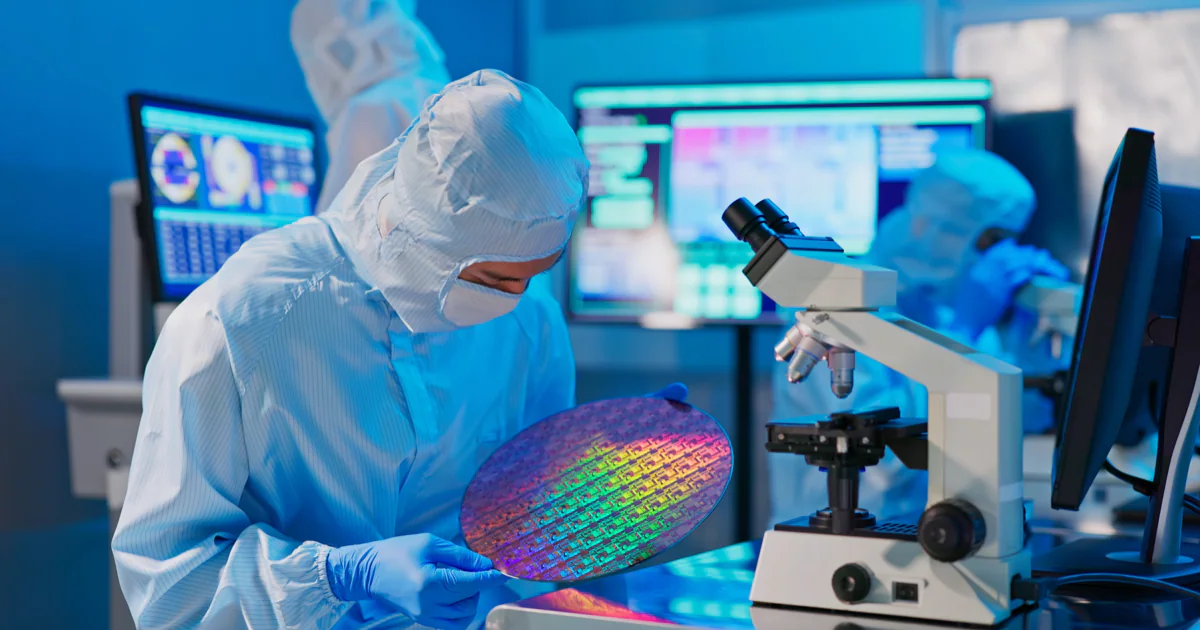
Samsung is developing a hybrid quantum computing and artificial intelligence system designed to simulate photolithography, one of the most computationally demanding and strategically important processes in advanced semiconductor manufacturing.
According to a report from the Seoul Economic Daily, Samsung SDS is developing algorithms that can virtually reproduce parts of the photolithography process using quantum computers. The company has reportedly secured some of the necessary algorithms and plans to test their effectiveness through a proof of concept during the second half of 2026.
The project is focused on optical proximity correction, commonly known as OPC. During chip production, light passing through a lithography system does not reproduce circuit patterns perfectly because of diffraction and other physical distortions. OPC modifies the original mask design in advance so that the pattern eventually printed on the silicon wafer more closely matches the intended circuit layout.
This simulation process becomes exponentially more difficult as semiconductor manufacturers move toward 2 nm and angstrom class technologies. The Korean report claims that older processes may have required engineers to calculate only a small number of major variables, while future nodes could require more than 20 conditions to be processed simultaneously. That growing complexity increases simulation time, infrastructure requirements, energy consumption, and development costs.
Samsung SDS intends to divide the workload between quantum and classical computers. Quantum hardware would perform selected core simulation calculations, while conventional systems powered by graphics processors would process and refine the resulting data. Artificial intelligence would then be used to identify and correct errors generated during quantum computation.
This does not mean Samsung is replacing traditional chipmaking equipment with quantum computers. ASML lithography scanners would still physically expose circuit patterns onto wafers. The quantum system would instead help engineers simulate, optimize, and correct those patterns before expensive manufacturing begins.
If the project succeeds, Samsung could potentially reduce the time and cost required to design photomasks, improve pattern accuracy, and detect process problems before they affect physical wafers. More accurate simulation could also contribute to better yield, which measures the number of usable chips produced from a wafer, and greater transistor density.
Samsung SDS reportedly does not plan to sell the technology as independent commercial software. Instead, the algorithms are expected to be shared with Samsung Electronics and integrated into its semiconductor research and manufacturing workflows. Samsung Electronics has already spent more than 10 years developing process simulation technologies through its Semiconductor Research Center.
The quantum initiative represents an extension of that work rather than a completely new fabrication strategy. It also gives Samsung an opportunity to secure internally developed algorithms and intellectual property instead of relying entirely on external electronic design automation and simulation providers.
TSMC is already using accelerated computing and artificial intelligence extensively within its manufacturing operations. NVIDIA’s cuLitho platform entered production at TSMC in 2024, using graphics processors to accelerate computational lithography and optical proximity correction. NVIDIA says 350 H100 based systems can replace approximately 40,000 traditional CPU systems for certain computational lithography workloads.
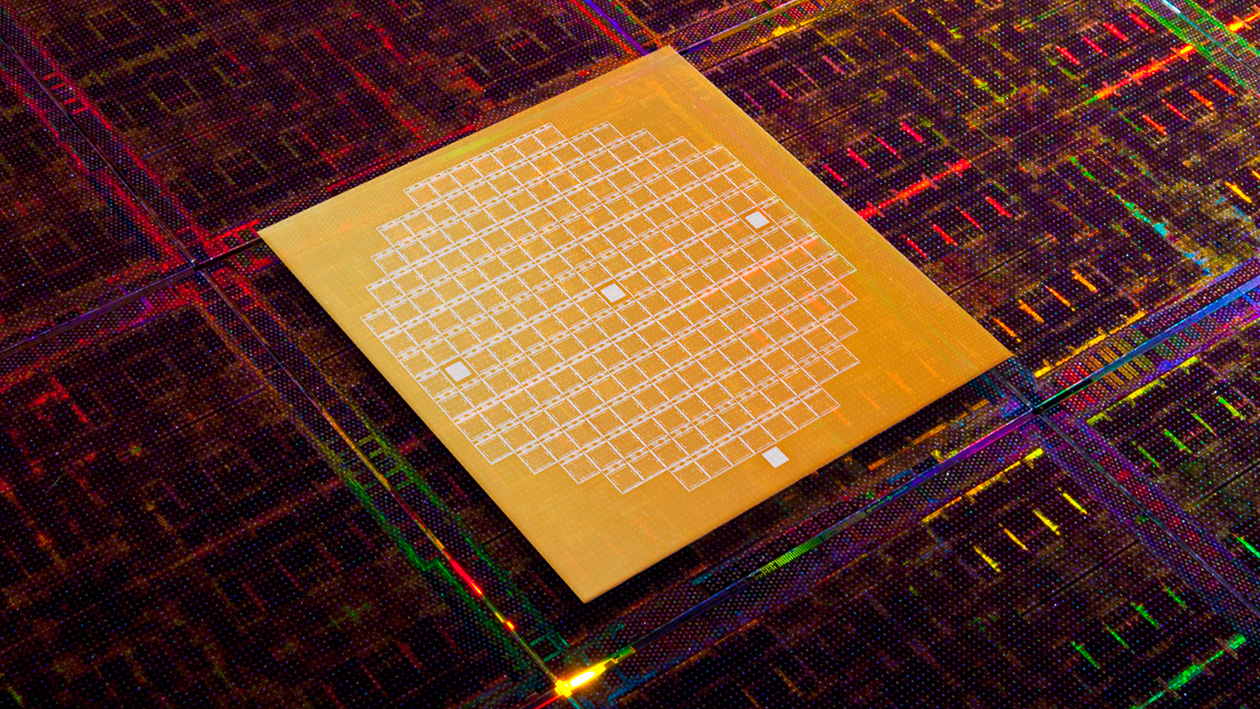
TSMC expanded that collaboration further in 2026, applying NVIDIA technologies across lithography, transistor simulation, process control, defect inspection, and factory scheduling. NVIDIA claims cuLitho can provide a 20% to 50% improvement in cost effectiveness or processing cycle time compared with CPU based computational lithography while maintaining a similar total cost of ownership.
Samsung’s quantum project should not yet be viewed as a direct replacement for cuLitho. NVIDIA’s platform is already deployed in production, while Samsung SDS is still preparing an initial proof of concept. Current quantum computers also remain vulnerable to noise, limited qubit availability, and calculation errors, which means hybrid systems must continue relying heavily on conventional processors.
The immediate value may therefore lie in research, algorithm development, and intellectual property rather than short term manufacturing improvements. A semiconductor simulation expert cited by the Seoul Economic Daily said commercial quantum computing remains some distance away, making early ownership of the underlying technology particularly important.
Samsung is expected to follow a 2 track strategy that combines internal quantum research with external accelerated computing technologies from companies such as NVIDIA. That approach could allow Samsung to improve its current fabrication workflows while preparing for a future in which quantum systems become practical enough to handle increasingly complex process simulations.
The research also connects with the wider race toward angstrom class manufacturing. TSMC is already preparing its A14 production infrastructure for 1.4 nm class chips, while Samsung continues developing its own advanced foundry roadmap. At these dimensions, improvements in simulation, mask optimization, and error detection could become as strategically important as the lithography hardware itself.
Samsung’s decision to explore quantum computing for lithography is ambitious, but the most important word is explore. The company has not demonstrated a production ready system, confirmed a measurable speed advantage, or shown that current quantum hardware can outperform modern GPU accelerated platforms in a semiconductor fabrication environment.
The project still matters because computational lithography is becoming one of the largest bottlenecks in advanced chip development. As circuit features approach atomic dimensions, manufacturers must simulate more physical variables and correct increasingly complex distortions before a single wafer enters production.
TSMC currently holds the practical advantage through its production deployment of NVIDIA cuLitho and wider use of AI across its factories. Samsung’s strategy appears more focused on securing future intellectual property while continuing to use conventional accelerated computing in the present.
Quantum computing will not immediately solve Samsung’s foundry challenges, including yield maturity, customer confidence, and production consistency. However, if the company can develop useful hybrid algorithms before quantum systems reach commercial maturity, it could gain an important long term advantage in one of semiconductor manufacturing’s most critical computational workloads.
Could quantum computing eventually give Samsung an advantage in advanced chip manufacturing, or will GPU accelerated platforms remain the more practical solution?
