
Samsung Pushes ENSS and NFG on Exynos 2600, But Better Mobile Game Support Still Looks Like the Missing Piece
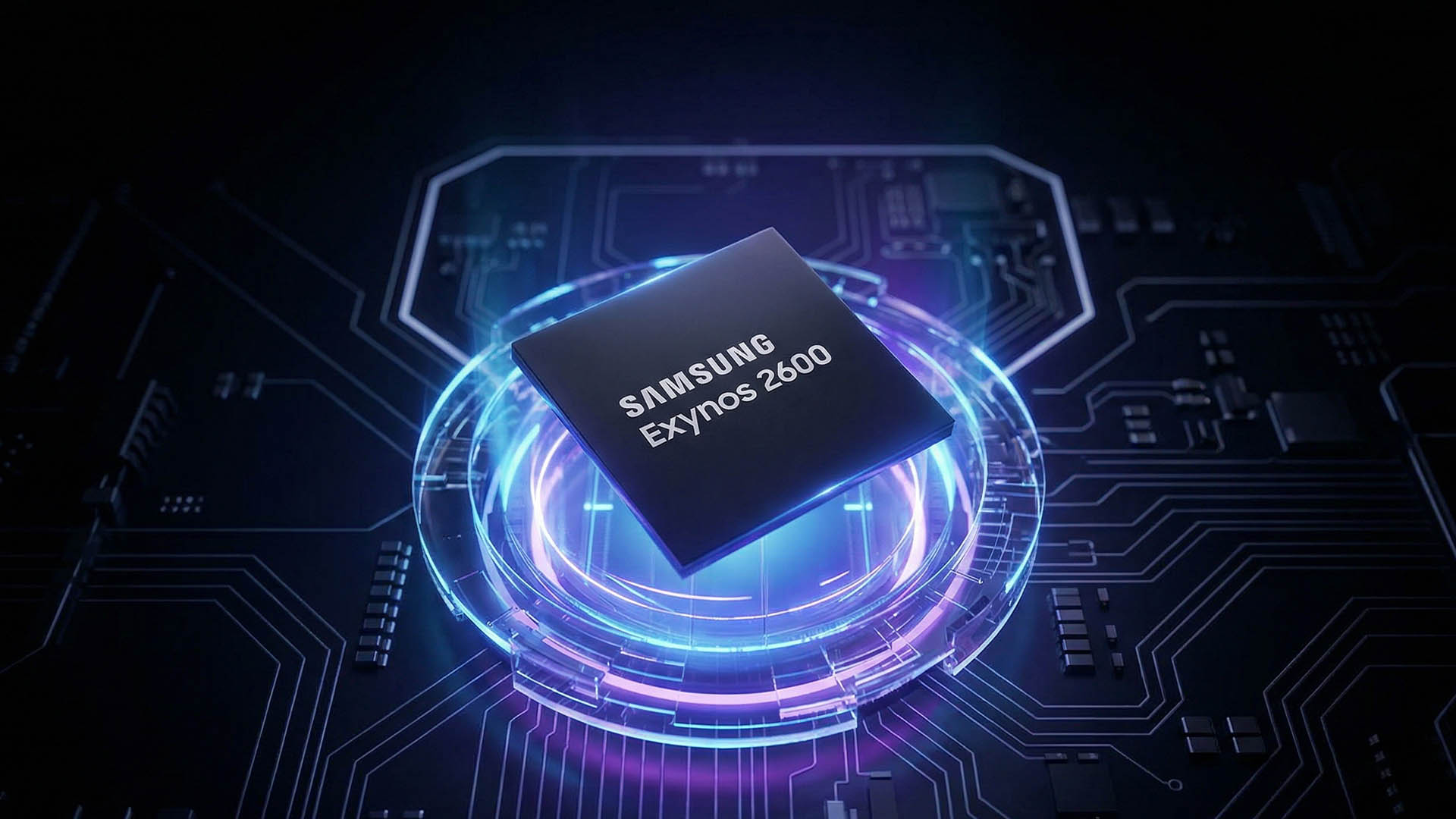
Samsung is making a stronger push into AI assisted graphics with the Exynos 2600, introducing its first commercial mobile graphics optimization stack built around ENSS, short for Exynos Neural Super Sampling, and NFG, or Neural Frame Generation. According to Yonhap News, Samsung says ENSS is being applied to the Exynos 2600 first, with future support planned for other products depending on software and platform conditions.
The technology direction is clear. Yonhap reports that ENSS combines neural super sampling, which reconstructs lower resolution images into higher quality output, with frame prediction technology through NFG, which inserts AI generated frames between rendered ones. Samsung says the goal is to reduce GPU workload while improving power efficiency and maintaining smoother, clearer visuals during demanding scenes and fast camera movement.
On paper, that is a meaningful step for Samsung’s mobile graphics strategy. Yonhap says recently disclosed benchmark results showed the Exynos 2600 delivering about 15% higher graphics performance than competing chips in Steel Nomad Lite, and that its ray tracing performance ranked first on Basemark Power Board. Yonhap also describes the Exynos 2600 as the world’s first 2 nm mobile chip produced on Samsung Foundry’s GAA process, and says it is used in the Galaxy S26 and Galaxy S26 Plus.
Those are strong technical talking points, especially for a first generation rollout of Samsung’s own AI driven graphics enhancement stack. If ENSS and NFG can consistently improve image quality, performance smoothness, and efficiency at the same time, Samsung has the foundation for a much stronger mobile gaming pitch than it has had in previous Exynos cycles. That part is an inference based on the functions Yonhap attributes to ENSS and NFG.
The problem is that hardware side progress and real world software impact are not the same thing. Even if Samsung now has its own answer to neural upscaling and frame generation, that matters far less if the Android gaming ecosystem does not actively adopt and expose those features in meaningful native game support. Yonhap’s report focuses on the technology and benchmark gains, but does not point to a broad list of supported games or app partners built around ENSS and NFG at launch.
That is the weak spot in the current story. Samsung appears to be executing on the silicon and graphics software side, but the broader value of ENSS will depend on ecosystem follow through. Upscaling and frame generation features become most compelling when they are tied to recognizable game releases that players can actually download and test, not just synthetic benchmark leadership. This is an inference based on the nature of the feature set and the absence of a software lineup in the Yonhap report.
Samsung does seem to understand that the technology needs a longer runway. Yonhap says the company plans to expand ENSS support beyond the Exynos 2600 in future products where conditions allow. That suggests Samsung is treating this as the beginning of a broader graphics roadmap, not a one off experiment. Yonhap also notes that Samsung is already outlining its Exynos 2700 roadmap, including packaging changes intended to further strengthen thermal management.
So the Exynos 2600 story now looks like this: Samsung has credible new AI graphics technology, benchmark evidence of a performance uplift, first generation commercial deployment, and a longer roadmap already in motion. What it still needs is broader developer adoption and stronger application level visibility. Without that, ENSS risks becoming one more promising mobile graphics feature that looks impressive in demos but has limited day to day value for players.
Do you think Samsung’s ENSS and NFG can become a real mobile gaming advantage, or will software support decide whether the feature matters at all?
