
Samsung Officially Discontinues LPDDR4 and LPDDR4X as Chip Profits Surge and 2027 Memory Shortages Loom Larger
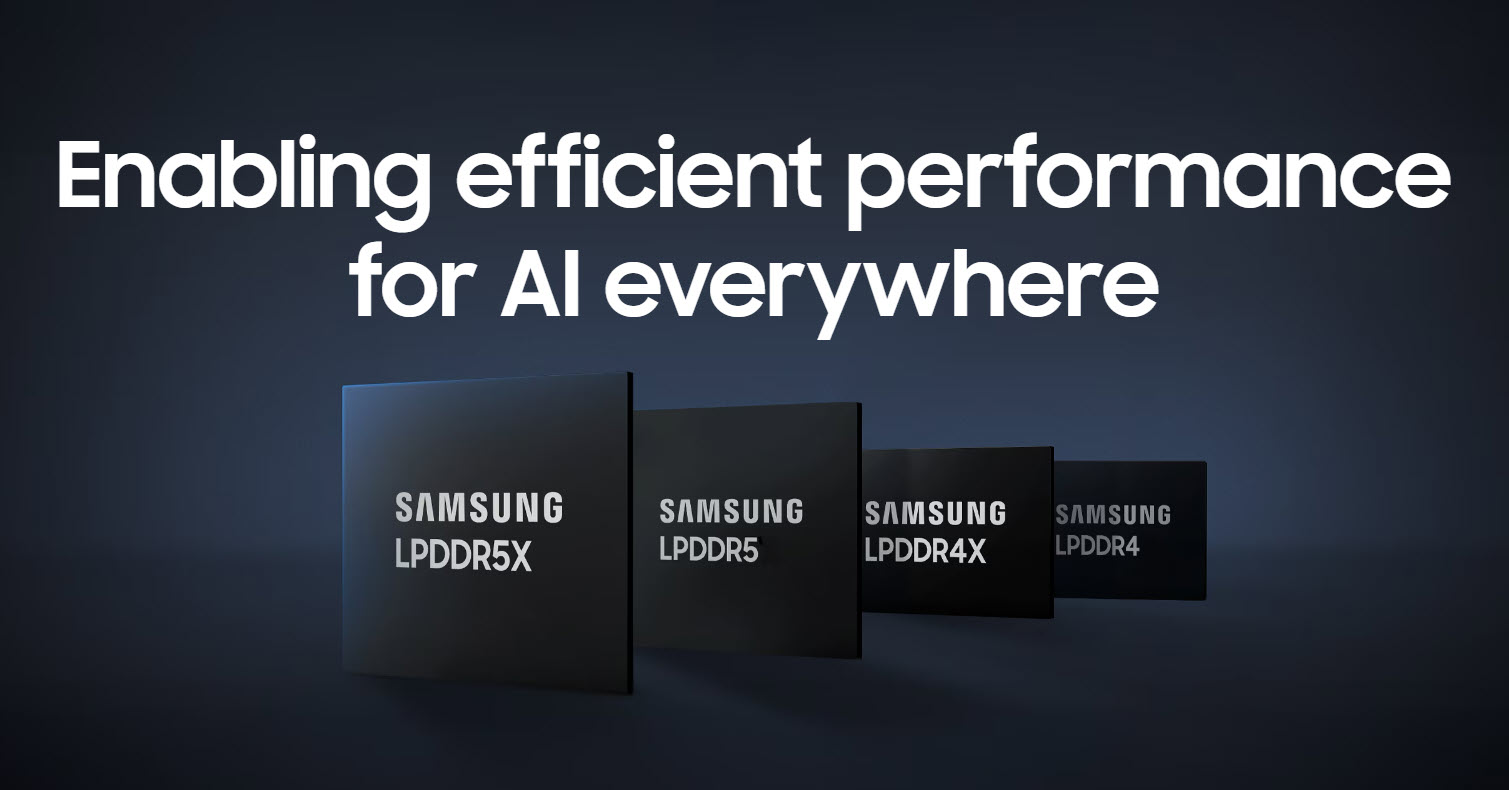
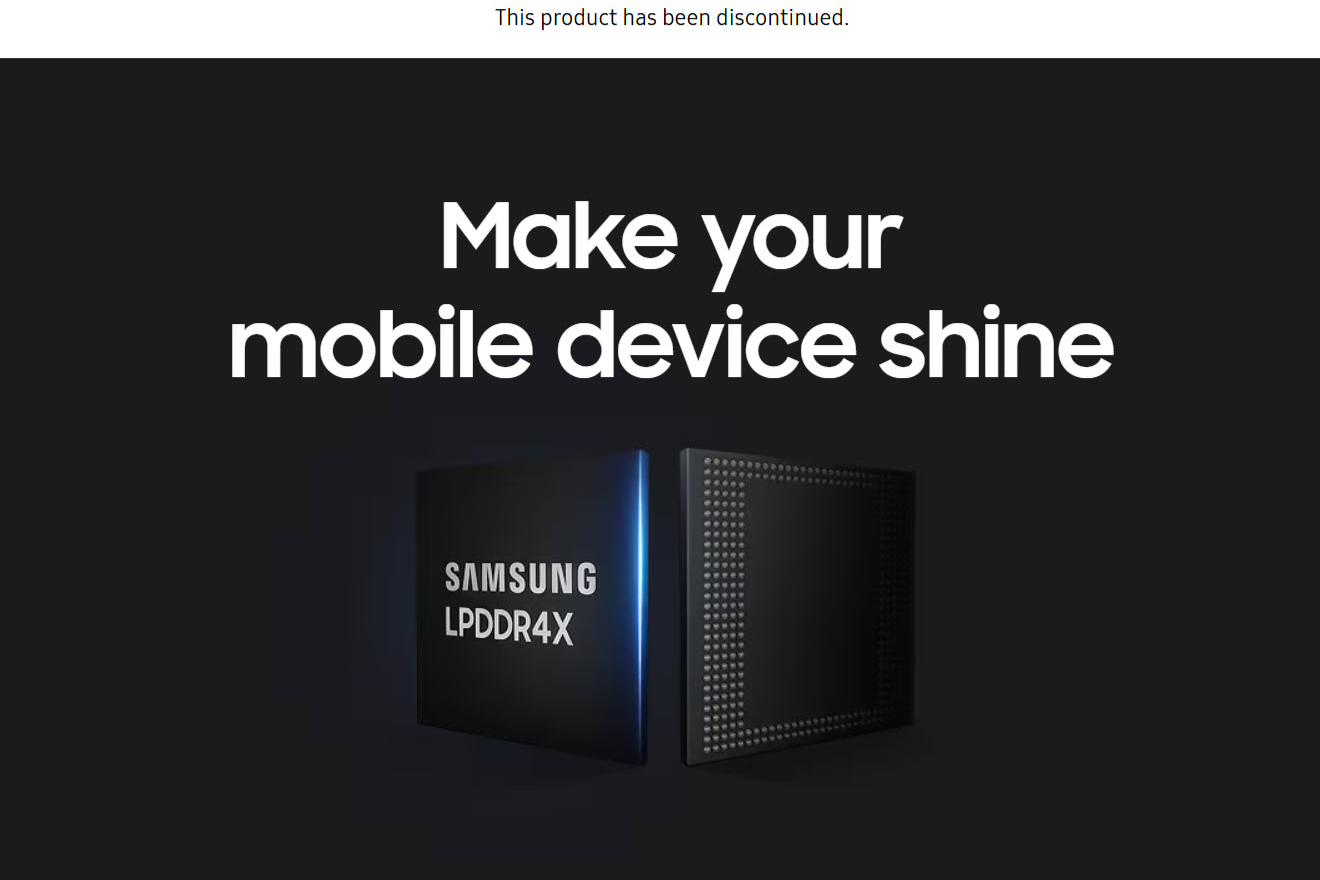
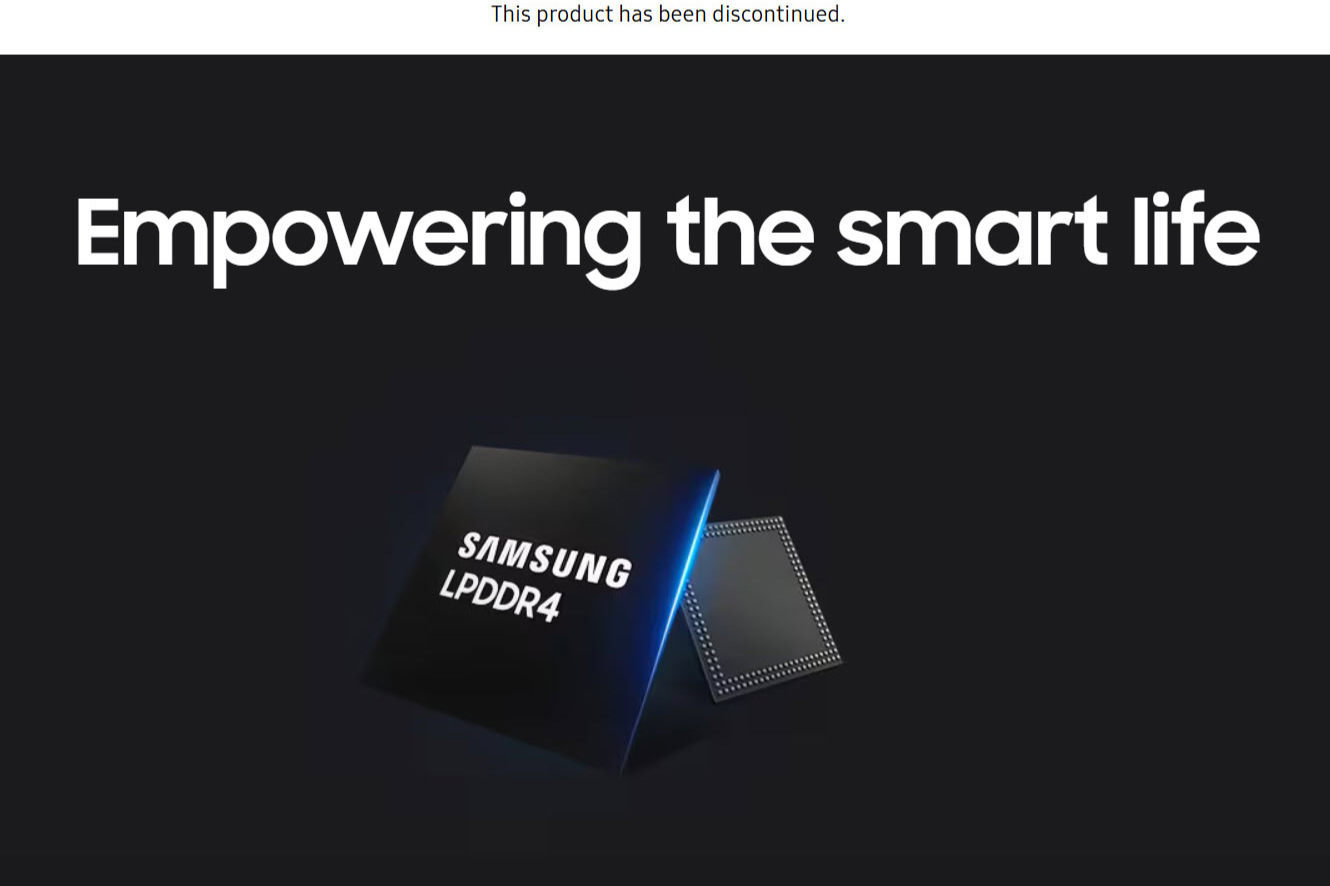
Samsung has now made it official. Its LPDDR4X and LPDDR4 product pages are both marked as discontinued, confirming that the company has formally moved on from these older low power DRAM standards. That is an important shift for the memory market because it closes the door on 2 product families that helped define an earlier generation of mobile devices, while also signaling how aggressively Samsung is repositioning its memory portfolio around newer and more profitable demand areas.
The timing is not surprising. Samsung is entering a period where memory demand is being reshaped by AI infrastructure spending, and the company is making it clear that supply is already under pressure. In its latest earnings commentary reported by Reuters, Samsung said customer demand is outpacing its available supply, and memory executive Kim Jaejune warned that the supply to demand gap for 2027 is expected to widen even further than in 2026. That is a strong signal that the memory industry may face an even tighter environment next year, especially as hyperscale and AI customers keep locking in supply.
The financial backdrop makes the strategic shift even easier to understand. Reuters reported that Samsung’s chip business recorded a 49 fold jump in operating profit in the first quarter of 2026, with chip division profit rising to 53.7 trillion won from 1.1 trillion won a year earlier. That surge was driven by booming AI related memory demand and higher chip prices, while Samsung also said it has signed multiyear binding contracts with customers trying to secure future supply. In other words, the company is not just enjoying stronger demand, it is operating in a market where customers are already competing for guaranteed access to future memory output.
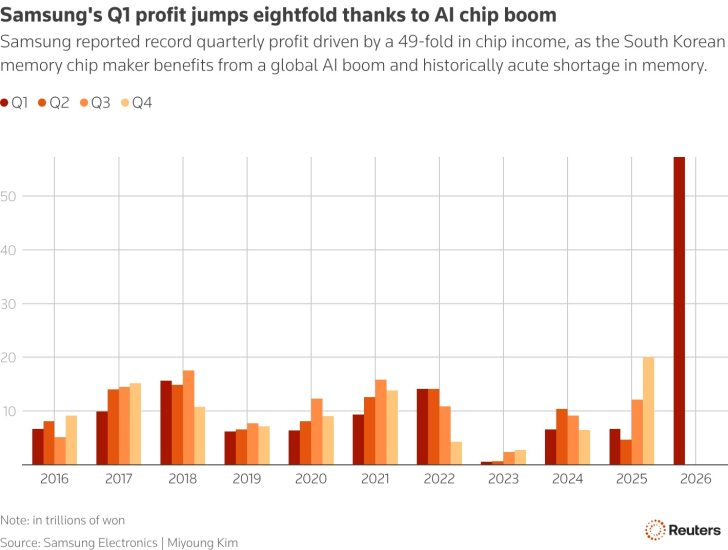
This is why the LPDDR4 and LPDDR4X discontinuation matters beyond simple product lifecycle housekeeping. While Samsung has not publicly tied the discontinued labels on those 2 pages to a specific capacity reallocation announcement in the sources above, the move clearly fits a broader pattern. The company is prioritizing the memory categories that matter most in the current cycle, particularly advanced products linked to AI era growth, while legacy standards become harder to justify from a manufacturing and margin perspective. That does not mean older memory demand disappears overnight, but it does mean the industry will increasingly leave that segment to second tier suppliers and leftover inventory channels.
Samsung is also trying to build more aggressively into the next phase of demand. Reuters reported that the company has already started mass production sales of HBM4 for NVIDIA’s Vera Rubin platform and expects to more than triple HBM revenue this year. At the same time, it is preparing to increase capital expenditure sharply to meet AI demand. Even with that expansion, Samsung is still warning that supply will remain constrained because new factory capacity takes time to build and bring online. That means the shortage outlook is not just about current pressure, but about the structural lag between AI demand growth and memory manufacturing expansion.
There is also an operational risk hanging over the company. Reuters reported that Samsung is preparing for possible production disruption as unions representing much of its South Korea workforce, especially in the chip division, consider striking over pay. Samsung said it plans to respond through a dedicated organization and response system to avoid disruption, but the fact that the issue is now part of the conversation adds another layer of uncertainty to an already tight supply picture.
From an industry perspective, this is the real takeaway. Samsung is not just retiring old mobile DRAM products. It is doing so during one of the most profitable and supply constrained periods the memory market has seen in years. The company is earning dramatically more from chips, customer demand is still outrunning supply, and management already expects 2027 to be even tighter than 2026. For device makers and component buyers, that combination is a warning that access to memory may become more expensive and more competitive well before the next capacity wave arrives.
What do you think, is Samsung making the right call by clearing out older memory standards now, or could this end up putting even more pressure on budget and mainstream device makers?
