
Microsoft Begins Rolling Out Xbox Mode on Windows 11 PCs as It Pushes a More Console Like Gaming Experience
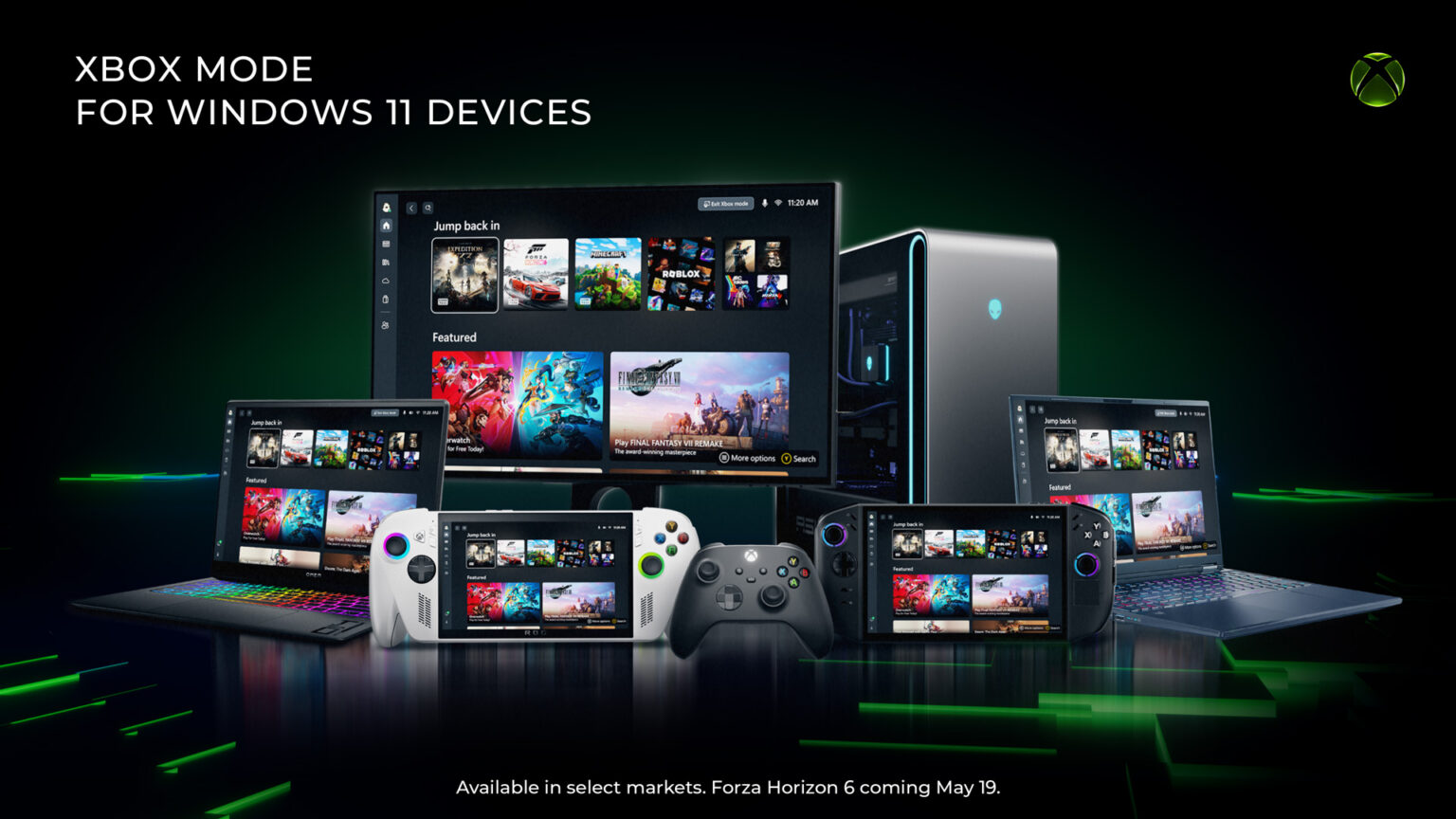
Microsoft has officially started rolling out Xbox Mode for Windows 11 PCs, expanding its gaming focused full screen interface beyond handhelds and into desktops, laptops, and tablets. The new experience is designed to make gaming on Windows feel more streamlined and more console inspired, but the rollout is not reaching every device at once. According to Microsoft, Xbox Mode is beginning in select markets first, with availability expanding to more players in those markets over the next several weeks.
That detail matters because the broader ambition behind Xbox Mode is clear. Microsoft wants Windows 11 to offer a gaming interface that feels faster, cleaner, and more immediately controller friendly when players want their library to take center stage. In the official announcement, Xbox describes the mode as a controller optimized full screen experience that surfaces your game library and recently played titles while reducing background distractions. It also lets users move back and forth between Xbox Mode and the regular Windows 11 desktop whenever they want, which means Microsoft is not replacing the desktop, but layering a more living room friendly shell on top of it.
One of the most important parts of the update is the aggregated library approach. Xbox Mode gives players access not only to Xbox Game Pass titles, but also to installed games from leading PC storefronts. That reinforces Microsoft’s current strategy around Windows gaming, which is to make Xbox feel like a broader ecosystem rather than a single hardware box. Instead of forcing players into a closed environment, the company is trying to make open PC gaming feel more cohesive and easier to navigate with a controller from the couch.
Microsoft also frames Xbox Mode as an evolution of the full screen experience it first introduced on Windows handhelds. The company says player feedback from those earlier handheld deployments directly shaped this version for standard Windows 11 PCs. That makes this rollout feel less like a surprise feature drop and more like the next phase of a larger plan to reduce friction between console gaming and desktop gaming. For Microsoft, the goal is clearly consistency across screens, whether a player is on a handheld, a desktop monitor, or a TV connected PC setup.
From an industry perspective, Xbox Mode is another signal that Microsoft sees the future of Xbox as increasingly platform driven. Rather than drawing a hard line between console and PC, the company is continuing to blur that boundary through software, interface design, and service integration. Windows remains an open platform, and Microsoft repeatedly emphasizes that Xbox Mode keeps that flexibility intact. But at the same time, it is borrowing more and more from the console playbook to make Windows gaming feel less fragmented and less intimidating for players who simply want to sit down and play.
For users who want access as soon as it becomes available, Microsoft says the path is through Windows Update. Players need to open Settings, go to Windows Update, and enable the option to receive the latest updates as soon as they are available. Once the update reaches the device, Xbox Mode can be launched directly from the PC. That gradual delivery model also suggests Microsoft is being cautious about stability and user experience as it scales the feature more broadly.
If Microsoft executes well, Xbox Mode could become one of the more important interface changes in Windows gaming in recent years. It does not turn every PC into a console, but it does move Windows one step closer to feeling like a native gaming platform rather than just a desktop operating system that happens to run games. That distinction could matter a lot as Microsoft keeps pushing Xbox beyond the console itself.
Do you think Xbox Mode is enough to make Windows gaming feel more console friendly, or does Microsoft still need to go much further?
