
Samsung HBM4E Reportedly Passes NVIDIA and Major Hyperscaler Qualification Tests
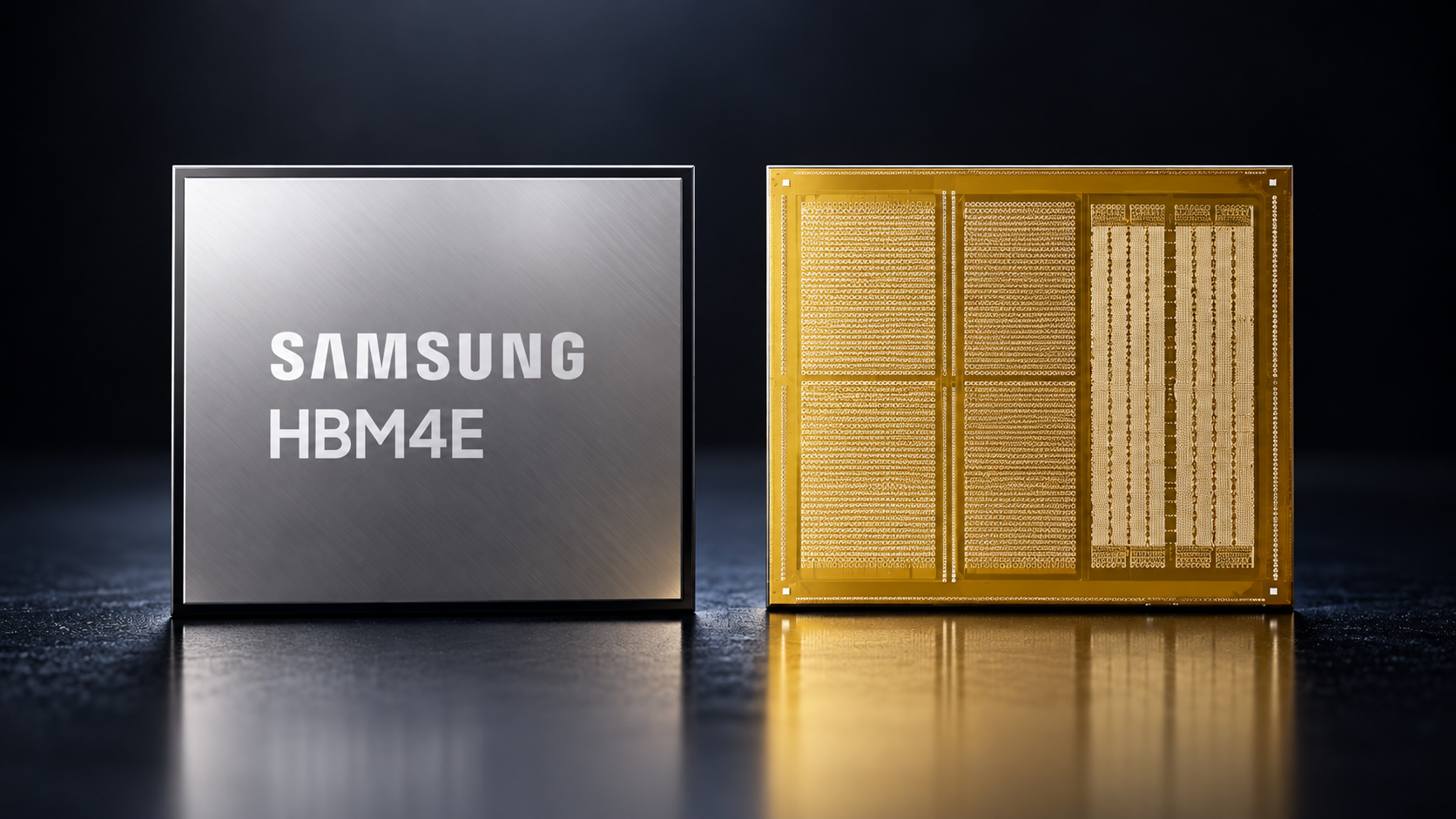
Samsung Electronics has reportedly cleared an important milestone in the next generation AI memory race, with its 12 layer HBM4E said to have passed qualification testing from NVIDIA and several major hyperscale data center customers.
According to a new report from South Korea, Samsung completed customer quality verification for its 12 layer HBM4E near the end of September. The qualification process determines whether the memory meets customer requirements across areas such as performance, reliability, power, and thermal characteristics. However, passing qualification does not mean commercial supply agreements have already been finalized. Supply volumes, contract values, and mass production delivery schedules for individual customers have not yet been confirmed. Samsung reportedly said it could not confirm whether the customer qualification had been completed.
Samsung officially began shipping 12 layer HBM4E samples to major global customers in May 2026 after beginning commercial HBM4 shipments earlier in February. The HBM4E design provides 48 GB per stack and operates at a stable 14 Gbps per pin, with scalability to 16 Gbps. At maximum speed, Samsung lists memory bandwidth of up to 3.6 TB/s per stack, more than 20% higher operating speed than its HBM4 generation.
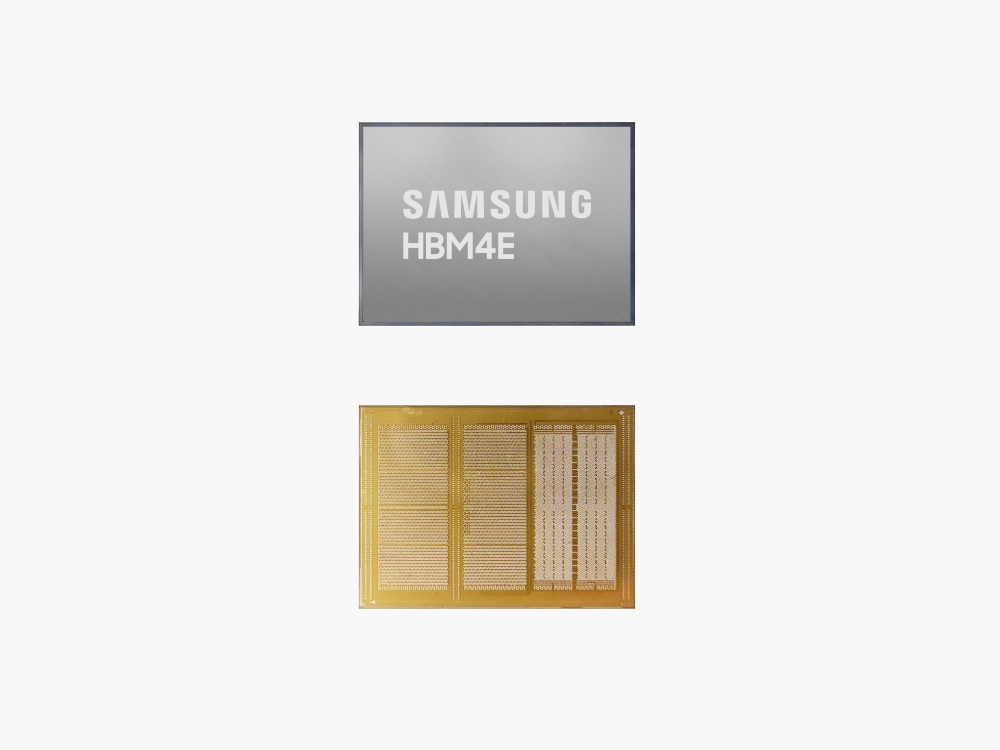
HBM4E combines Samsung's sixth generation 10nm class 1c DRAM with a 4nm logic base die produced by Samsung Foundry. Samsung says design and packaging improvements increase energy efficiency by 16% while improving thermal resistance characteristics by more than 14% compared with HBM4. The company has also outlined future 32 GB 8 layer and 64 GB 16 layer configurations depending on customer requirements.
"Through our advanced manufacturing capabilities and preemptive infrastructure investments, we will continue to drive the growth of the global AI memory market."
— Quote by: Sang Joon Hwang
The reported qualification comes as Samsung aggressively expands its position in advanced AI memory. Its HBM4 production has already pushed Samsung's 4nm lines toward full utilization, with HBM4 base dies reportedly consuming between 50% and 60% of available 4nm capacity. Samsung is also preparing for a much larger HBM4 and HBM4E production ramp in 2027 as AI accelerator demand continues to absorb advanced DRAM capacity.
Competition remains intense. SK hynix began shipping its own 12 layer HBM4E samples to major customers in June, with speeds reaching up to 16 Gbps per pin, while Micron is also competing for future AI accelerator memory allocations. Customer qualification therefore represents an important technical milestone for Samsung, but commercial success will ultimately depend on volume allocation, manufacturing yield, pricing, and the company's ability to ramp production reliably.
Passing NVIDIA qualification would be an important milestone for Samsung, but the distinction between qualification and a confirmed volume order matters.
Samsung has already demonstrated that it can manufacture HBM4E samples at competitive specifications. The next question is whether those qualifications translate into meaningful allocation from NVIDIA and hyperscale customers as next generation AI accelerators move toward production.
Samsung's advantage is increasingly its vertical integration. The company controls advanced DRAM manufacturing, the 4nm logic base die, and packaging within the same semiconductor organization. If it can combine that structure with competitive yields and reliable volume production, HBM4E could strengthen Samsung's position considerably against SK hynix and Micron.
For now, the qualification remains reported rather than officially confirmed, making customer contracts and production allocation the next milestones to watch.
Could HBM4E finally give Samsung the momentum it needs to close the gap with SK hynix in the AI memory market?
