
Samsung and SK hynix Q2 DRAM Quotes Reportedly Spike So Hard That Some Buyers Are Considering Walking Away
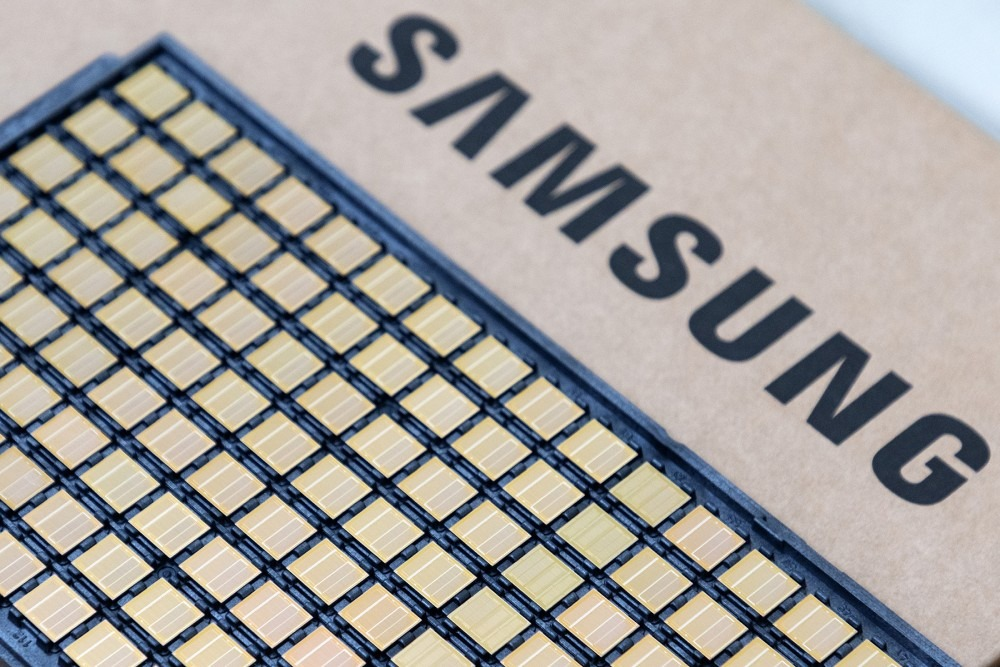
New contract pricing conversations for Q2 are heating up, and the early signals are ugly for anyone who depends on DRAM supply outside of the biggest tier one whales. A Korean media report from Sedaily says Samsung and SK hynix have started issuing next quarter contract prices to customers, and the scale of the increase is being described as extreme, to the point where smaller buyers may decide it is more rational to pause purchasing rather than lock in rates that will immediately force end product price hikes.
The core dynamic is simple and brutal. The memory market has shifted into a seller dominated posture, and DRAM quotations for large scale customers are being revised on a quarterly cadence. For smaller buyers, pricing can move within days, which makes procurement planning feel like trying to speedrun a survival horror game with no ammo and randomized item spawns. You can attempt to play the market, but the market is playing you.
Sedaily reports that suppliers are preparing a major price hike for the upcoming quarter, and initial estimates suggest the total increase across Q1 and Q2 alone could reach 130%. The report also frames the pressure as being driven by surging DRAM demand tied to global artificial intelligence investment and constrained supply capacity, a combination that effectively removes negotiating leverage from most of the channel except for the largest long term agreement customers.
Where this gets especially painful is the split between enterprise scale buyers and everyone else. Larger customers often sit inside long term agreements where revised contract pricing is incorporated at defined checkpoints, and those programs can absorb pricing resets with less operational chaos. Small and medium sized businesses do not have that buffer. Their volumes are lower, their pricing flexibility is weaker, and they are more exposed to spot market behavior. If your business is building servers, GPUs, workstations, handheld PCs, boutique gaming rigs, or even just trying to maintain stable inventory of memory based products, your margin gets squeezed from both ends.
The report also points to a sharp escalation since late 2025. Based on the situation described, DRAM pricing has risen by more than 3 times since October 2025, with demand pull from hyperscaler buildouts and supply tightness amplifying every procurement cycle. Downstream impacts are already familiar to gamers and builders: delayed launches, thinner inventory, and price increases that do not align with normal seasonal patterns. The difference now is that the pressure is extending deeper into planning horizons, because quarterly contract resets create a repeating shockwave across the ecosystem.
On the hardware market side, this matters because DRAM is not just a commodity line item. It is a gating component that cascades into platform pricing across GPUs, laptops, servers, and consoles adjacent infrastructure. When DRAM moves, everything that depends on it either reprices, down bins, ships later, or cuts features. That is why these Q2 quotes are being treated as a strategic risk signal, not just an annoying cost increase.
As for when this normalizes, the industry expectation cited in the report points to a recovery window around mid 2027 to 2028. If that holds, then 2026 becomes less about waiting for relief and more about building resilience: locking supply where possible, redesigning BOMs for flexibility, reducing exposure to short cycle purchasing, and planning product pricing with a realistic buffer instead of hope.
If DRAM pricing keeps climbing through 2026, would you rather see brands cut specs to hold prices, or raise prices and keep performance targets intact?
