
NVIDIA Reportedly Reaches 19% of TSMC Revenue in 2025 as AI Demand Reshapes the Foundry Power Map
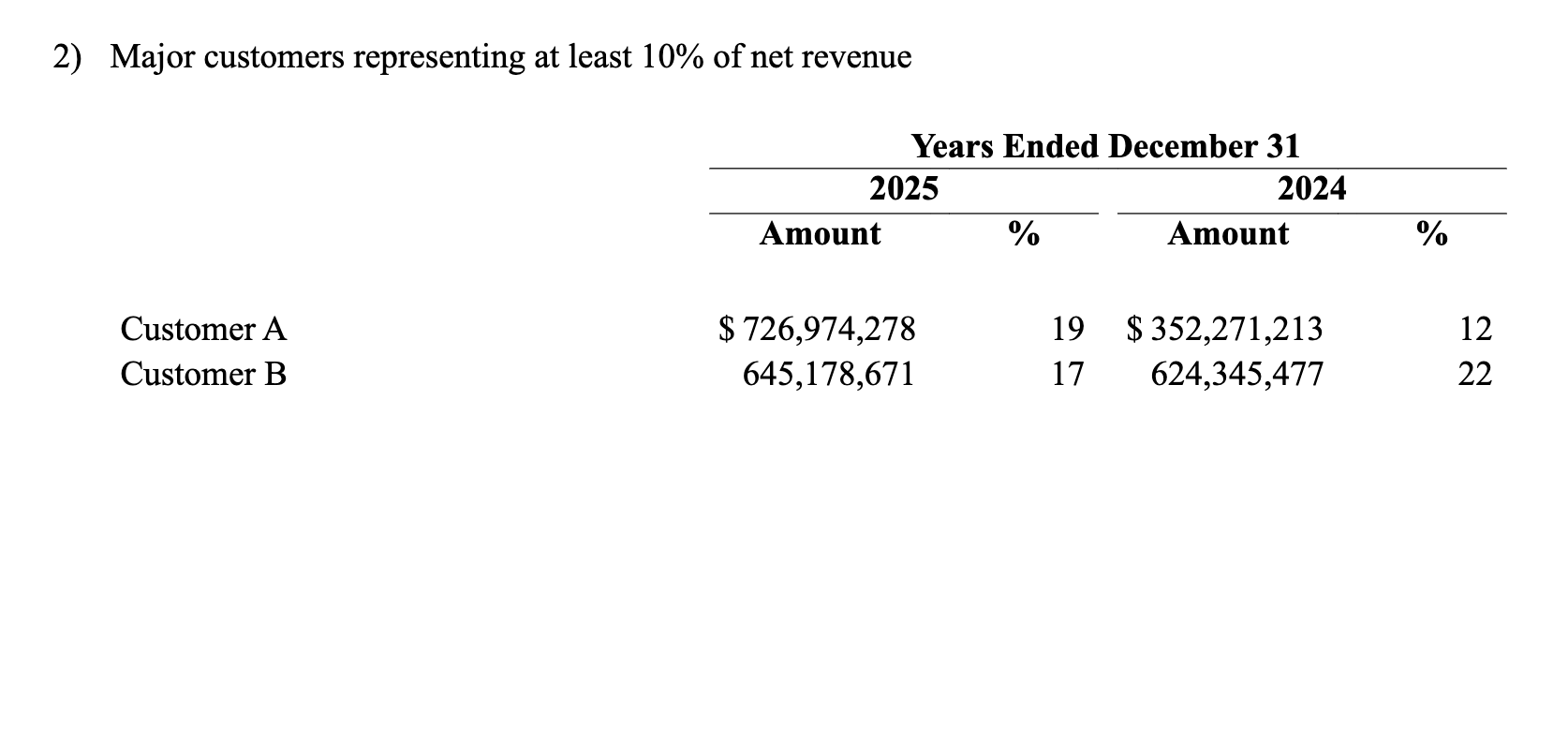
NVIDIA is being positioned as TSMCs largest customer in 2025, a milestone that underscores just how aggressively the AI infrastructure cycle has pulled leading edge capacity toward GPU and accelerator supply chains. In posts shared by supply chain analyst Dan Nystedt on X and a related thread update from Dan Nystedt follow up post on X, NVIDIA is cited as accounting for more than 19% of TSMCs overall revenue in 2025, translating to about NT$726.97B and roughly 23.4B$.
Nvidia officially became TSMC’s #1 customer in 2025, toppling Apple for the first time in over a decade, as AI continues to change everything. Nvidia accounted for 19% of TSMC’s revenue, NT$726.97 billion (US$23.4 billion), more than twice the NT$352.27 billion from 2024. 1/5… pic.twitter.com/sBoWilpmuG
— Dan Nystedt (@dnystedt) February 27, 2026
The implication is bigger than a leaderboard swap with Apple. If NVIDIA is truly driving close to 1 fifth of TSMCs revenue, it signals a structural reallocation of wafer supply and advanced packaging bandwidth toward AI products, where demand elasticity is higher and customers are willing to pay for performance per watt, time to deployment, and guaranteed supply. It also reinforces why TSMC remains the single most critical upstream partner for the current AI compute buildout, from silicon to packaging to ramp execution.
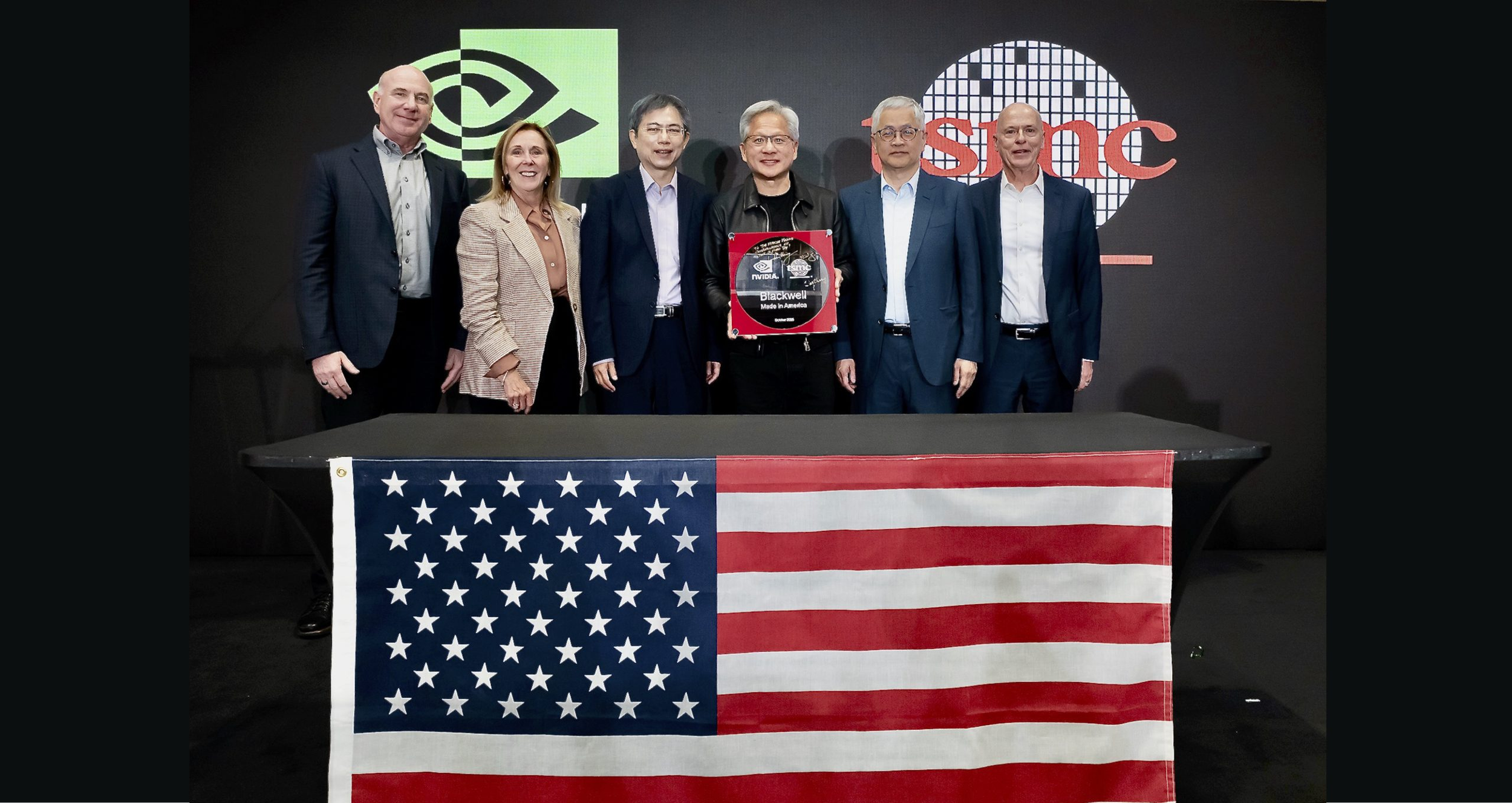
Strategically, this is the kind of partnership gravity that tends to deepen over time. Once a customer reaches this scale, the relationship typically expands beyond simple wafer starts into longer planning horizons, tighter co optimization around process and packaging, and more coordinated capacity roadmaps. That is a competitive edge, because the companies that lock in predictable leading edge supply are the ones that can ship at scale when demand spikes and competitors hit allocation ceilings.
There is also a broader risk narrative that comes with this concentration. The more the AI ecosystem depends on one foundry for the majority of its high end chips, the more the global industry treats that foundry as a chokepoint, with operational and geopolitical sensitivity baked into every forecast. In other words, the NVIDIA TSMC bond is a performance multiplier, but it is also a single point of failure the market cannot ignore.
Do you see this as a healthy scaling partnership that improves supply stability, or as a concentration risk that the industry needs to hedge sooner rather than later?
