
Peter Moore Says AI Is Inevitable in Game Development and Calls on Microsoft Gaming CEO Asha Sharma to Earn Gamer Trust
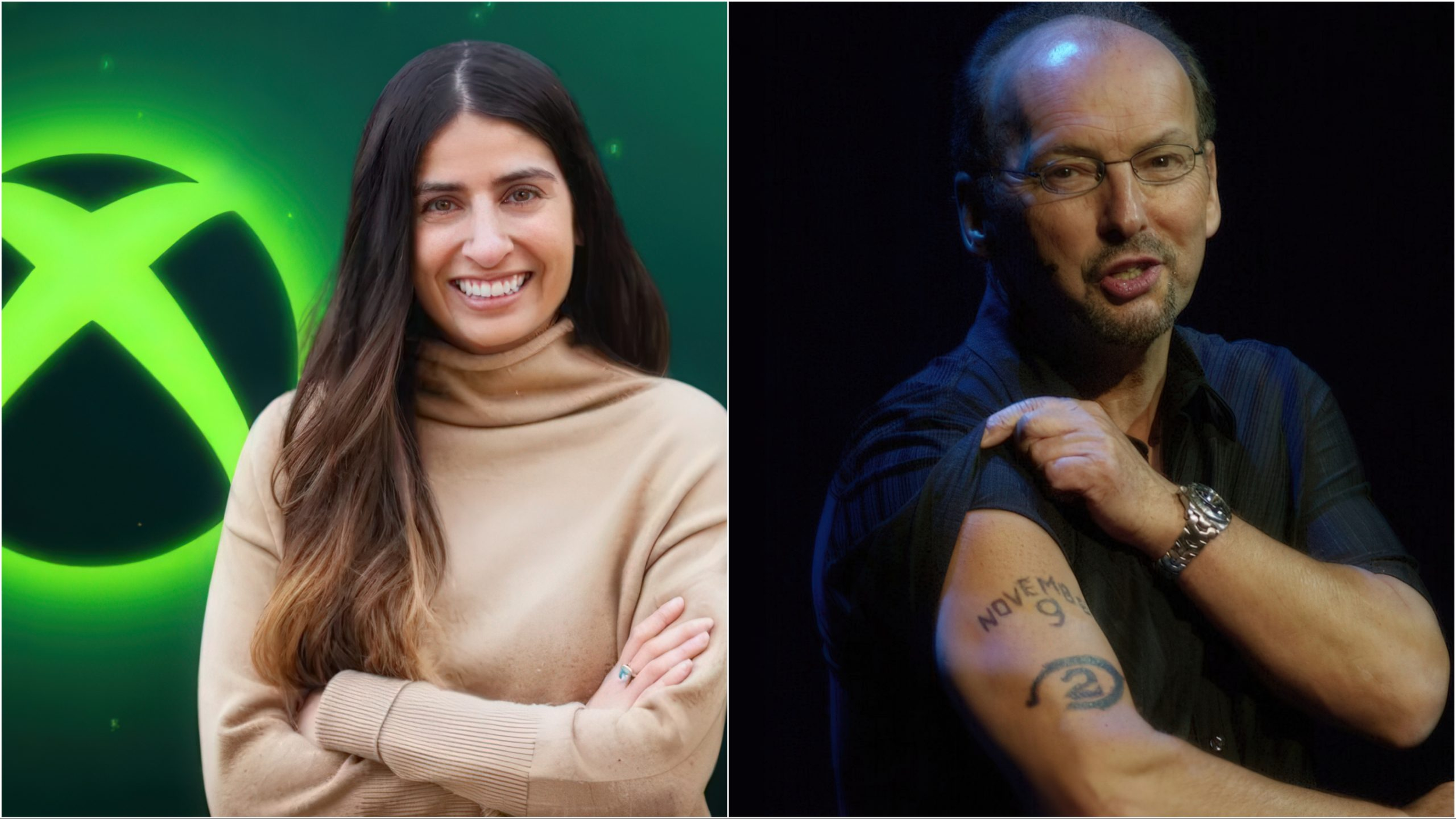
Former SEGA, Xbox, and Electronic Arts executive Peter Moore is weighing in on one of the most sensitive debates in modern game development, and his message is blunt. AI is coming to every studio, in one form or another, whether players like it or not. The leadership challenge, Moore argues, is not to pretend that reality does not exist, but to explain it in a way that puts players first, not quarterly metrics.
In an interview with GamesBeat, Moore addressed the anxiety swirling around Asha Sharma’s rise to CEO of Microsoft Gaming and the fear among hardcore players that her background will translate into a heavy generative AI push across Xbox studios. Moore acknowledges the current anti AI sentiment is real, and he does not minimize it. Instead, he frames it as a communications and trust gap. Studios have used forms of artificial intelligence for years, but the conversation has shifted because generative tools touch creative identity, labor concerns, and authenticity in a way older systems never did.
Moore’s key positioning is that Sharma is uniquely qualified to bridge that gap, precisely because she can speak both languages, corporate strategy and the realities of modern pipelines. He argues her public mantra needs to be clear and repeatable: AI is good for gaming only if it serves the player, not the spreadsheet. That is not just rhetoric. It is a product governance statement that implies hard boundaries, clear disclosure, and measurable quality outcomes, rather than using AI as a cost cutting shortcut.
He also connects the pressure for AI adoption to the brutal economics of triple A development, where budgets and headcount scale have become immense and delivery timelines are constantly under strain. In that context, Moore suggests AI will be too useful for studios to ignore, especially in areas like tooling, iteration speed, and production efficiency, but only if it does not compromise the human authored core of games. The opportunity he highlights for Sharma is to translate that nuance into something gamers can believe, backed by practice, not just messaging.
Not everyone from the old guard shares Moore’s optimism. Xbox co founder Seamus Blackley has publicly criticized the direction of the brand under leadership changes, using a stark metaphor that frames Sharma’s role as guiding Xbox toward an eventual sunset rather than a growth era. Meanwhile, analyst commentary has suggested that Microsoft should consider structural changes such as spinning off Xbox to operate with more independence, positioning it more like a focused entertainment company rather than a division inside an AI first conglomerate.
The broader takeaway is that Microsoft Gaming is walking into a perception war at the exact moment the industry is redefining what creativity, production, and authorship look like. Moore is effectively saying the technology choice is already made by market forces, and the real competitive advantage will come from how credibly Sharma can set policy, enforce guardrails, and show gamers tangible benefits without eroding trust.
What would actually convince you that AI in games is serving players, clear disclosure, strict limits on creative use, better performance and fewer bugs, or lower prices with the same quality bar?
