
Samsung and SK hynix Could Face New United States Memory Tariffs
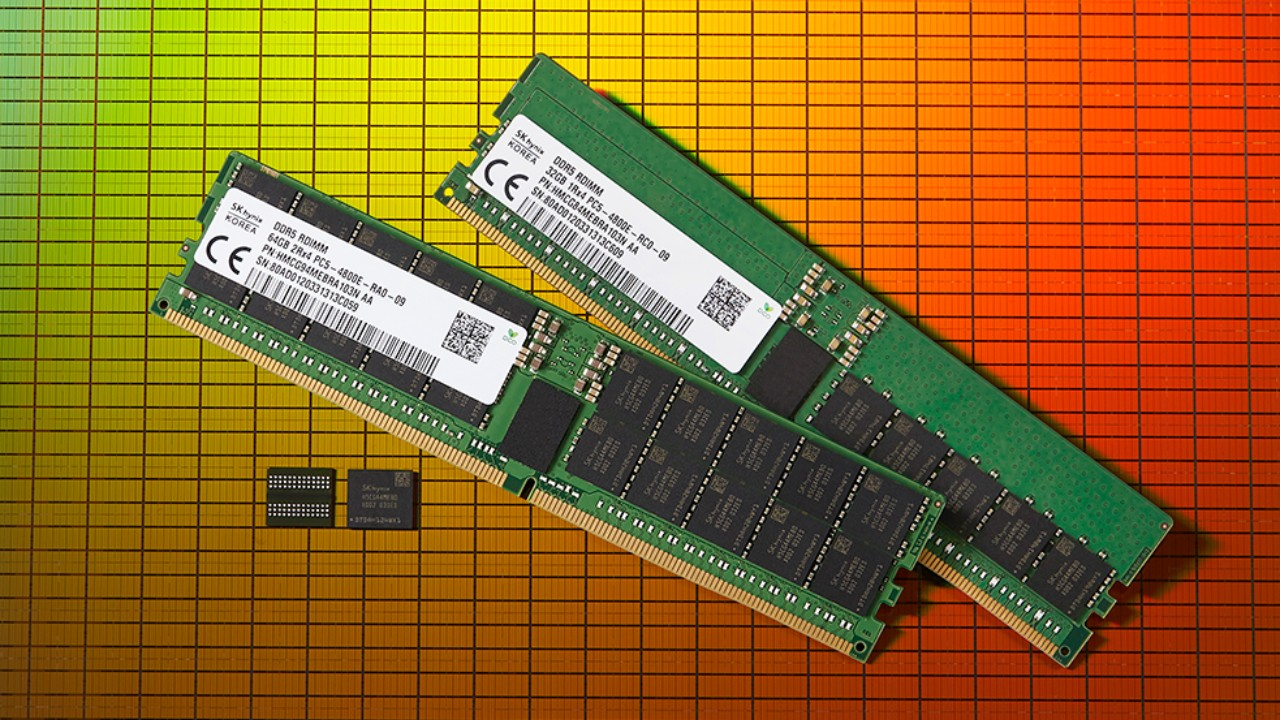
United States industrial policy is escalating from broad semiconductor reshoring into a more targeted posture that explicitly name checks memory. During Micron’s New York megafab groundbreaking in Clay, New York on January 16, 2026, United States Commerce Secretary Howard Lutnick signaled that memory suppliers that do not build production capacity on American soil could face tariffs as high as 100 percent, positioning the move as a binary choice for the sector.
In remarks first reported by Bloomberg, Lutnick framed the policy as a direct lever to force domestic buildout, tied to the administration’s wider push to anchor high value semiconductor supply chains in the United States. The timing is not subtle. AI infrastructure demand continues to pull memory into the spotlight as a strategic input, and Washington is clearly testing whether tariff pressure can accelerate capital allocation beyond packaging, testing, and research.
The market implication is that the definition matters more than the headline. If enforcement focuses on actual DRAM wafer fabrication and volume output rather than adjacent investments like advanced packaging and R and D, several major producers could be exposed. Bloomberg reporting notes the remarks referenced South Korean memory firms and Taiwanese companies that are not investing in the United States, without listing specific targets. That creates an immediate risk surface for Samsung and SK hynix if their United States commitments are viewed as insufficient for domestic DRAM supply, while also putting Taiwanese suppliers into the conversation depending on how broadly memory categories and downstream products are interpreted.
Micron, by contrast, is using the moment to anchor a long horizon narrative around leading edge memory manufacturing at scale in the United States. In its official release, Micron positions the New York build as a 100,000,000,000$ investment plan with up to 4 fabs and a long term jobs footprint, aligning cleanly with the policy direction being telegraphed from Washington.
From an industry execution standpoint, the next watch item is operational clarity: what exactly qualifies as domestic memory production, what product classes are included, what the transition timeline looks like, and whether exemptions or phased thresholds exist for suppliers expanding incrementally. Until those details surface, this reads less like an immediate pricing event and more like a strategic forcing function that could reshape DRAM capex planning, supply chain localization, and pricing power across the AI era memory stack.
What is your take: would a 100 percent memory tariff accelerate real United States DRAM capacity, or simply amplify pricing volatility across AI hardware builds?
