
Micron’s 1.8 Billion Dollar PSMC Deal Could Add Up to 15 Percent More DRAM Output, But Relief Still Looks Like a 2027 Story
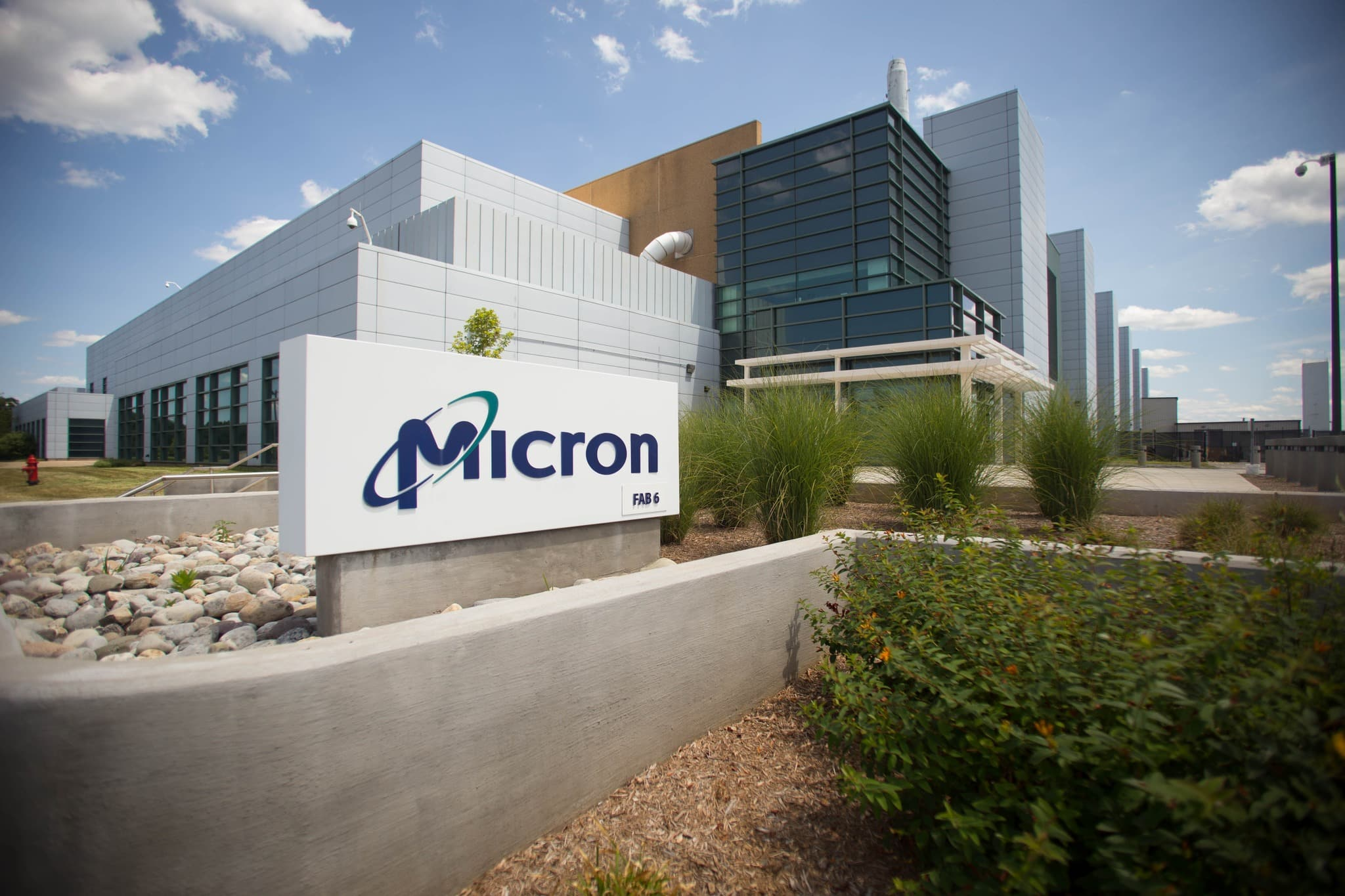
Micron has signed a letter of intent to purchase an existing fab site from Taiwan’s Powerchip Semiconductor Manufacturing Corporation, better known as PSMC, positioning the move as a fast track to add DRAM capacity in a market where demand continues to outpace supply. The agreement is valued at 1.8 billion dollars, and targets PSMC’s Tongluo site, which Micron says will complement its current Taiwan footprint and expand its ability to serve customers across the memory ecosystem.
What makes this announcement strategically important is the time factor. New fabs in the United States and elsewhere remain multi year ramps, but buying into an already built cleanroom can compress the timeline to meaningful wafers far sooner. Micron has been explicit that meaningful output from this site is expected by H2 2027, framing the acquisition as a near term capacity unlock inside a supply chain that is currently being stress tested by AI driven memory demand.
If you have been watching memory prices climb, the root cause is not mysterious. AI infrastructure has pulled enormous DRAM and HBM volumes into the data center, and consumer lanes are increasingly fighting for what is left. Micron’s Tongluo expansion is not a magic switch that fixes the next quarterly cycle, but it is a concrete signal that at least one major supplier is willing to add conventional DRAM capacity rather than only chasing high margin HBM.
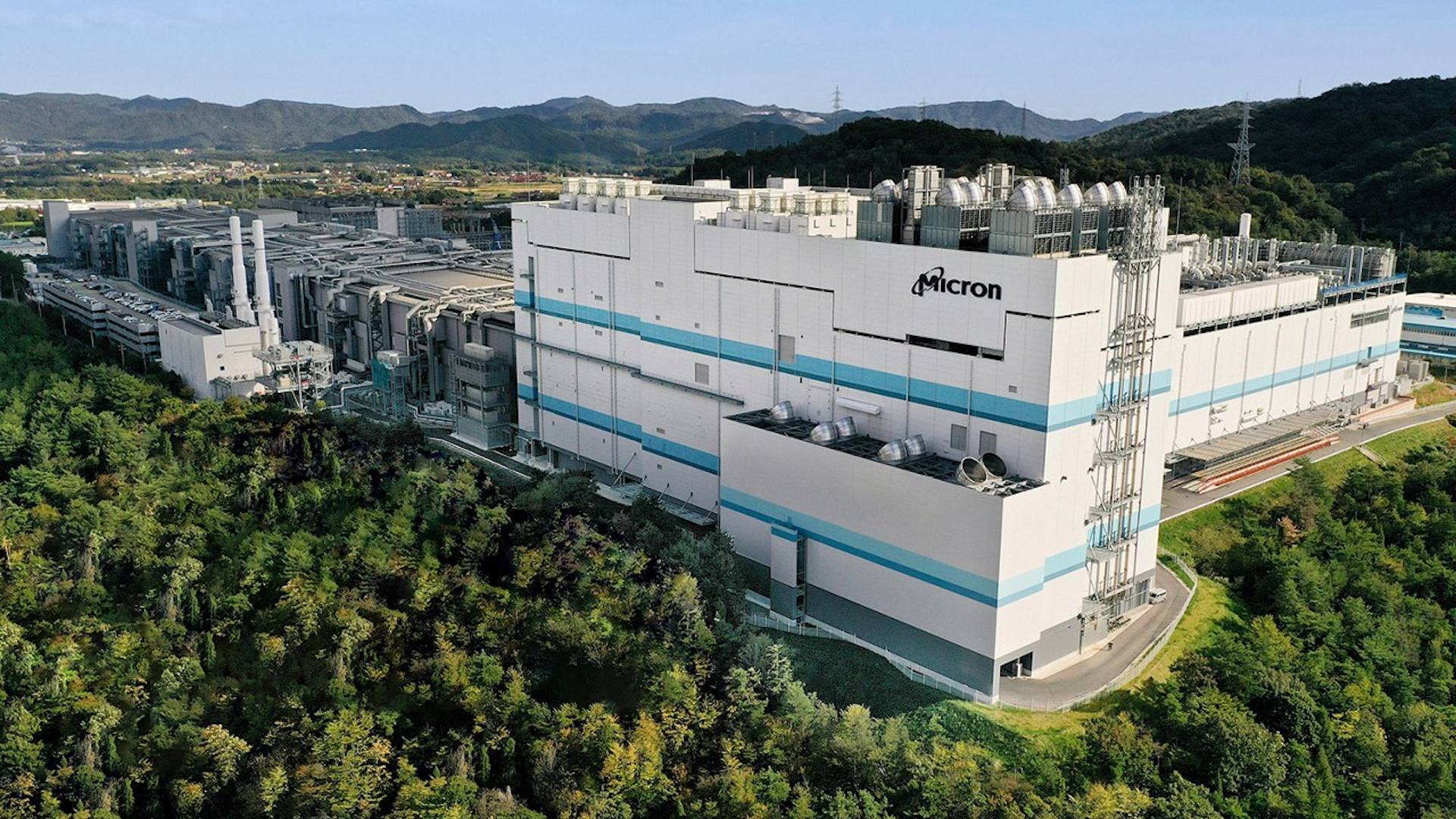
External reporting suggests the Tongluo P5 site has been discussed as having a maximum capacity around 50,000 twelve inch wafers per month, depending on tool installation and utilization. If Micron can ramp anywhere near that envelope over time, industry estimates that the move could translate into roughly a 10 percent to 15 percent boost to Micron’s annual DRAM output in the following quarters after ramp. Treat those figures as directional rather than guaranteed, but the scale is meaningful in a market where even single digit supply shifts can move pricing.
This is a smart operational hedge: acquire ready infrastructure, reduce time to capacity, and defend customer allocations during a demand supercycle. For consumers, though, the timeline is the reality check. The biggest benefits are anchored to H2 2027, meaning 2026 pricing volatility across DRAM heavy categories like gaming PCs, laptops, and GPUs can still remain a live risk.
Do you think moves like this will actually bring consumer DRAM pricing back down, or will AI demand keep the pressure on through 2027 and beyond?
