
Intel’s New Ex TSMC Executive Will Not Transfer Process Technology, But His Appointment Strengthens Intel Foundry’s Strategic Position
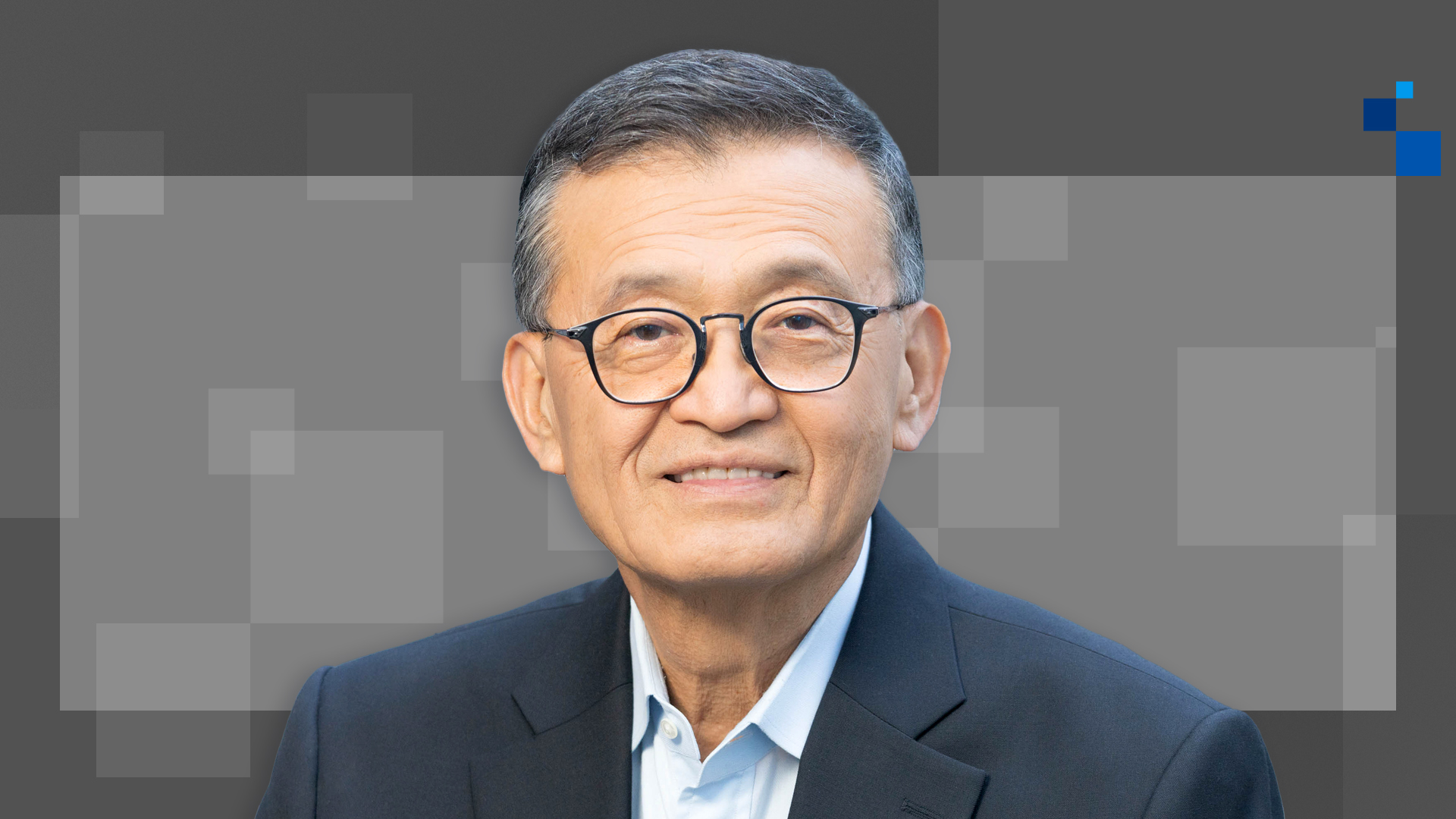
The semiconductor industry is once again in the spotlight as Intel welcomes Dr Wei Jen Lo, a former senior executive from TSMC, into its Foundry division. His move has triggered widespread speculation across the sector, including rumors of potential 2nm process technology leaks. Intel’s CEO Lip Bu Tan directly addressed these concerns during the recent SIA Awards, firmly stating that the rumors are unfounded while emphasizing the company’s respect for the intellectual property of TSMC and all industry peers. The statement was published via Bloomberg.
"It is rumor and speculation. There is nothing to it. We respect IP."
Intel CEO Lip Bu Tan
Dr Lo’s appointment gained attention primarily due to his extensive experience handling critical process details at TSMC, a company with exceedingly strict policies for employees transitioning to competitors. Given his previous access to sensitive information, Taiwanese authorities have initiated an investigation into whether any proprietary technology might be at risk. Taiwan’s Minister of Economic Affairs, Ming hsin Kung, confirmed that an official review is underway, as originally reported by DigiTimes.
Even so, government officials have acknowledged that TSMC’s internal structure is so specialized and compartmentalized that a meaningful technology transfer remains highly unlikely. Based on the information available, Dr Lo’s new role at Intel centers on advanced packaging rather than process development. Previous reports also align with this direction, suggesting that Intel sees value in his supply chain expertise more than in process knowledge.
Intel’s own leading edge technologies, including the PowerVia backside power delivery, RibbonFET gate all around architecture, and early adoption of High NA EUV tools, position the company on a fundamentally different path from TSMC’s node evolution. Consequently, the expectation that one executive could bridge these architectural and structural differences does not appear realistic.
Where Dr Lo’s presence is expected to make an impact is Intel Foundry’s customer strategy. His familiarity with the expectations and procurement behavior of major US based clients could strengthen Intel’s competitiveness in attracting new foundry contracts. As Intel positions itself as the premier US aligned manufacturing alternative, this strategic insight is considerably more relevant than any speculative technology transfer.
What do you think about Intel’s recent leadership shifts? Could this reshape competitive dynamics in the foundry market? Share your thoughts below.
