
RTX 2080 Ti Nearly Doubles Gaming Performance After a Simple Thermal Repaste
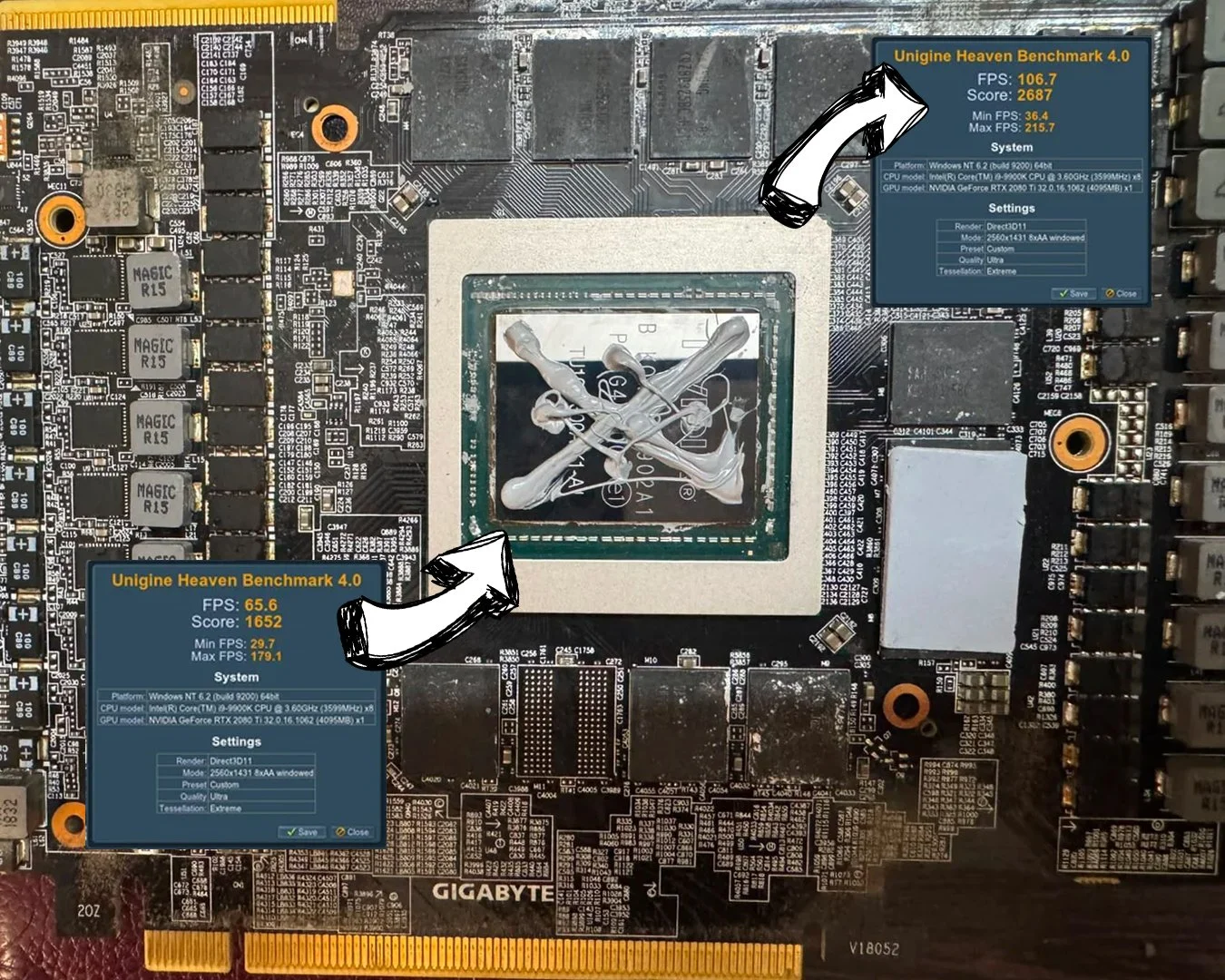
An aging GeForce RTX 2080 Ti has demonstrated how severe thermal throttling can quietly destroy gaming performance, with a simple thermal paste replacement restoring nearly 2x the frame rate in some workloads. The owner shared the results through the PC Master Race community, explaining that the graphics card had been used since launch and had never previously been opened for thermal maintenance.
Before servicing the card, normal GPU temperatures did not initially appear particularly alarming, remaining below 80°C during testing. The hidden problem was the GPU hotspot, which was reaching approximately 107°C under heavy load. At those temperatures, the RTX 2080 Ti was aggressively reducing clock speeds and power consumption to protect itself, creating a major performance loss even though the conventional GPU temperature reading appeared relatively normal.
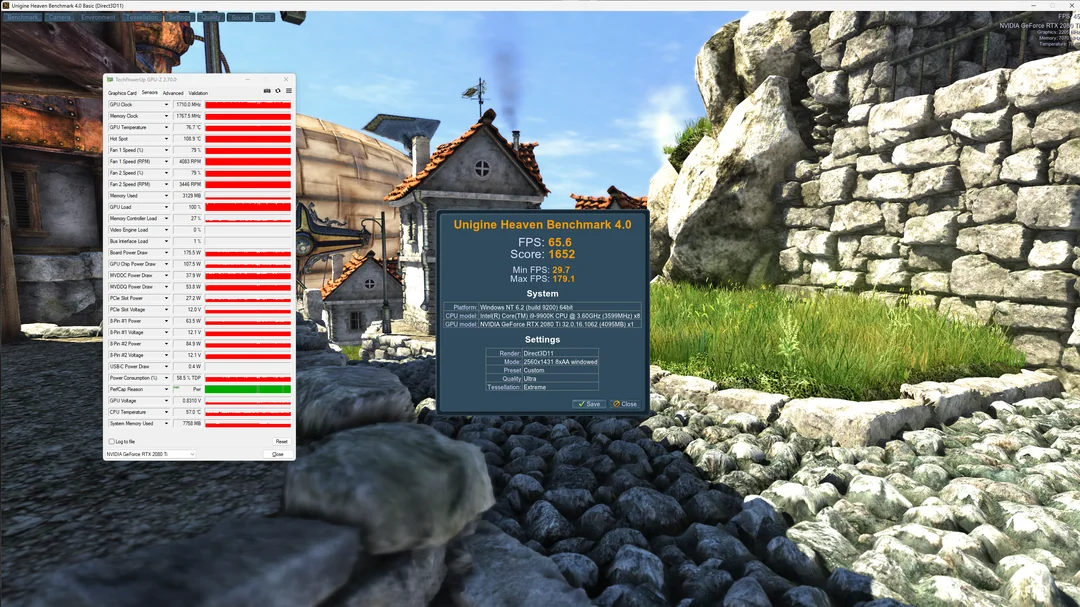

The impact became obvious in Wuthering Waves. Without DLSS, performance before the repaste was limited to approximately 25 to 30 FPS. After replacing the dried thermal compound, performance increased to roughly 55 to 65 FPS under similar conditions. Unigine Heaven 4.0 reportedly showed another substantial improvement, climbing from around 65 FPS to approximately 106 FPS. This was not the RTX 2080 Ti suddenly becoming twice as fast as a healthy stock card. The new thermal compound simply allowed the GPU to recover performance that had been lost through severe thermal throttling.
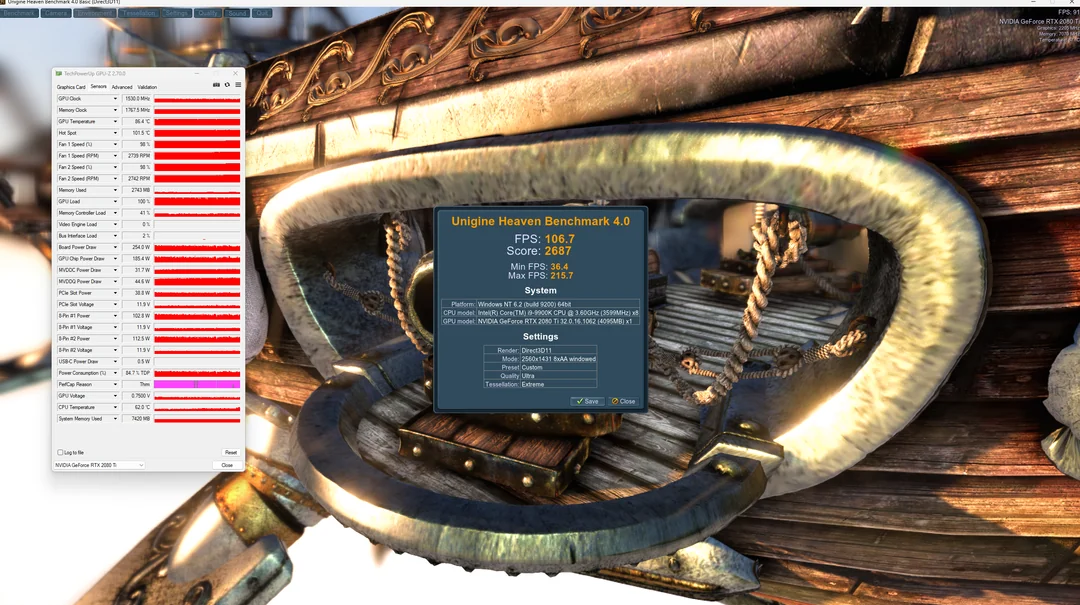

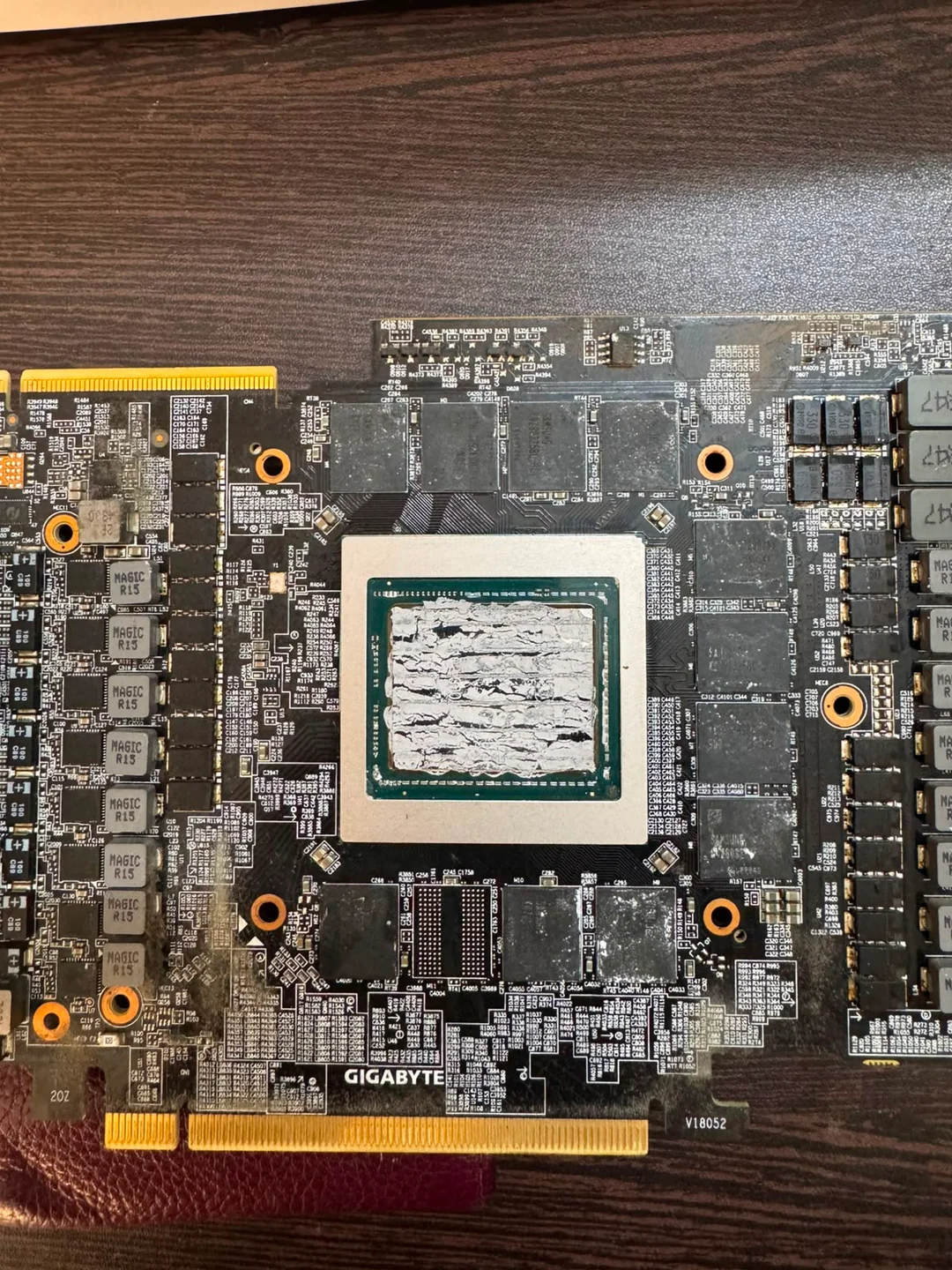
The owner used Arctic MX7 thermal compound and reused most of the original thermal pads, replacing only a damaged section with a 1 mm Gelid pad. Hotspot temperature dropped significantly from the previous 107°C level, with later gaming observations placing it around the low to mid 90°C range. Interestingly, the main GPU temperature actually increased because the graphics processor was now able to sustain higher clocks and consume more power instead of continuously throttling itself.
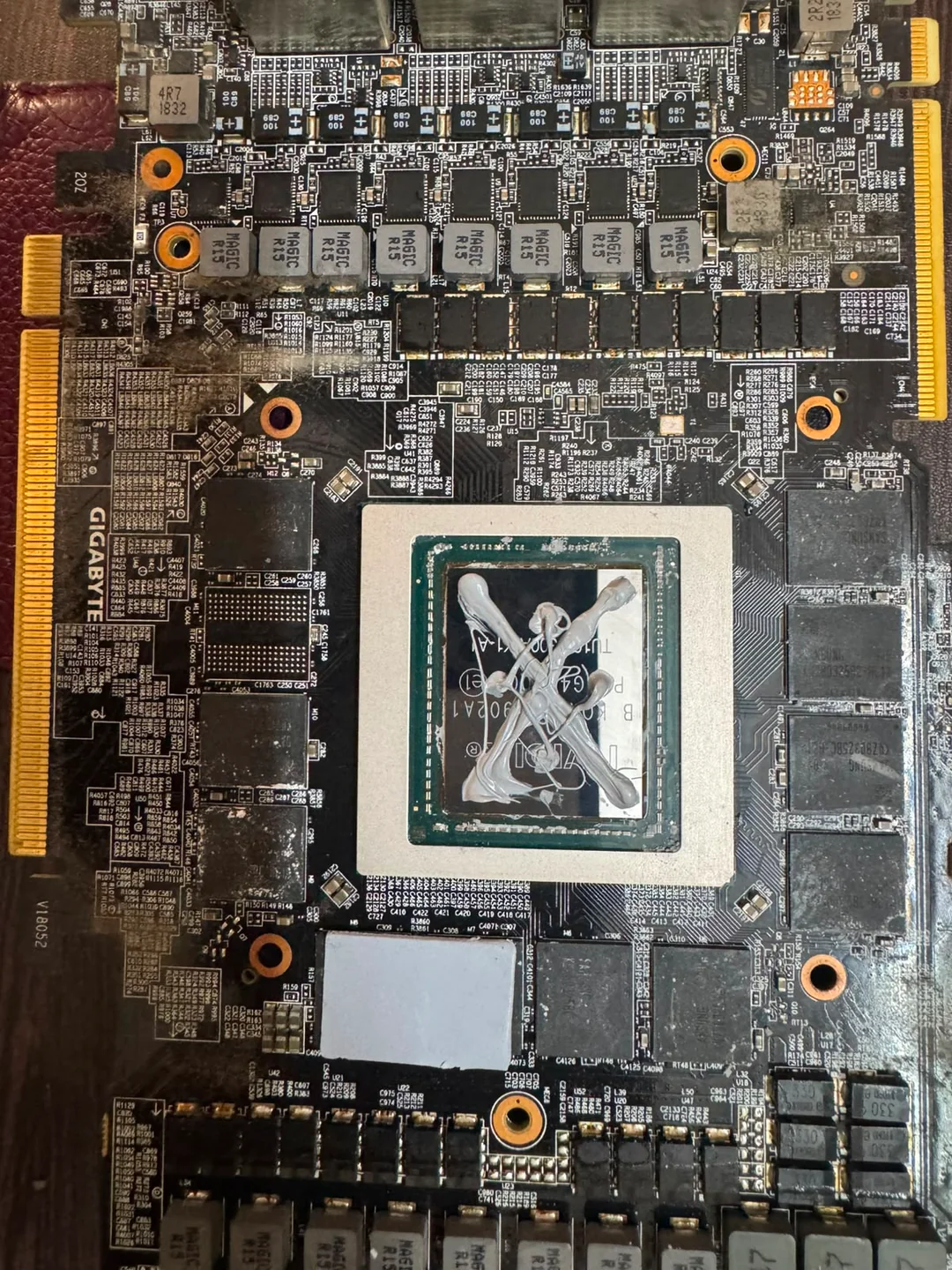
The case also demonstrates why hotspot telemetry can be considerably more useful than looking only at the standard GPU temperature. A graphics processor may report an acceptable overall temperature while a localized section of the die operates much hotter because of deteriorated thermal compound, uneven cooler pressure or poor contact. Monitoring software has become increasingly valuable for identifying these problems, with HWiNFO recently expanding detailed GPU thermal monitoring to expose more localized temperature information across modern graphics hardware.
Thermal paste naturally changes over years of repeated heating and cooling cycles, particularly on high power GPUs. Older enthusiast cards such as the RTX 2080 Ti are now old enough that degraded thermal interface material can become a genuine performance issue. However, the results from this individual card should not be interpreted as a guaranteed performance improvement for every older GPU. A properly cooled RTX 2080 Ti that is not thermally throttling will see little or no performance gain from replacing otherwise functional thermal compound.
This RTX 2080 Ti did not receive a magical performance upgrade. It recovered the performance it was supposed to have all along.
That distinction makes this case more useful for PC gamers. When an older graphics card begins performing significantly below expectations, the problem does not automatically mean the GPU silicon is dying or that an expensive upgrade is required. Hotspot temperature, sustained clock speed and power consumption can reveal thermal problems that a normal GPU temperature reading may hide.
The RTX 2080 Ti launched in 2018, which means many surviving cards have now experienced years of thermal cycling. For enthusiasts keeping older flagship GPUs alive, thermal maintenance can therefore become just as important as drivers and software optimization. Correct thermal pad thickness and cooler mounting pressure remain critical, however, so disassembling a graphics card should be approached carefully.
Have you ever recovered major gaming performance from an older GPU simply by replacing its thermal paste?
