
NVIDIA Opens Vera Rubin Rack and Compute Tray Designs Through OCP
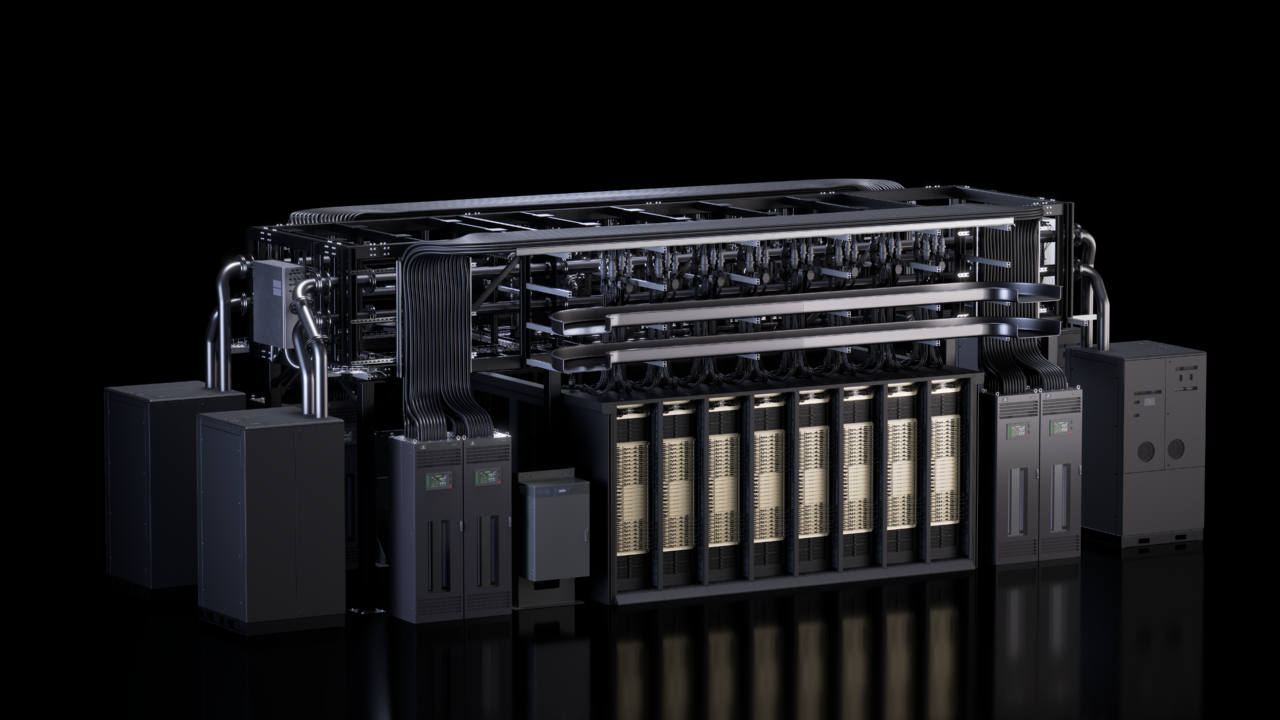
NVIDIA is opening key parts of its Vera Rubin infrastructure design to the wider hardware industry, contributing updated rack and compute tray specifications to the Open Compute Project as AI data centers move toward far denser systems.
Announced at the 2026 OCP Global Summit on October 12, the contribution expands NVIDIA's MGX architecture with designs intended for Vera Rubin class AI factories. The Open Compute Project now lists NVIDIA's MGX Accelerated Computing Rack and Trays Specification V1.2.0 alongside corresponding 2D and 3D design files.
The contribution covers the physical platform around Vera Rubin rather than NVIDIA's core semiconductor and software technology. Rubin GPUs, Vera CPUs, NVLink silicon, CUDA, and other proprietary components remain under NVIDIA's control.
MGX 1.2 adds rack scale blind mate liquid cooling, configurable I/O bays, standardized interfaces, fanless liquid cooled compute trays, native 19 inch equipment support, and a liquid cooled 5,000 A busbar. NVIDIA says the architecture can support deployments reaching as much as 250 kW per rack.
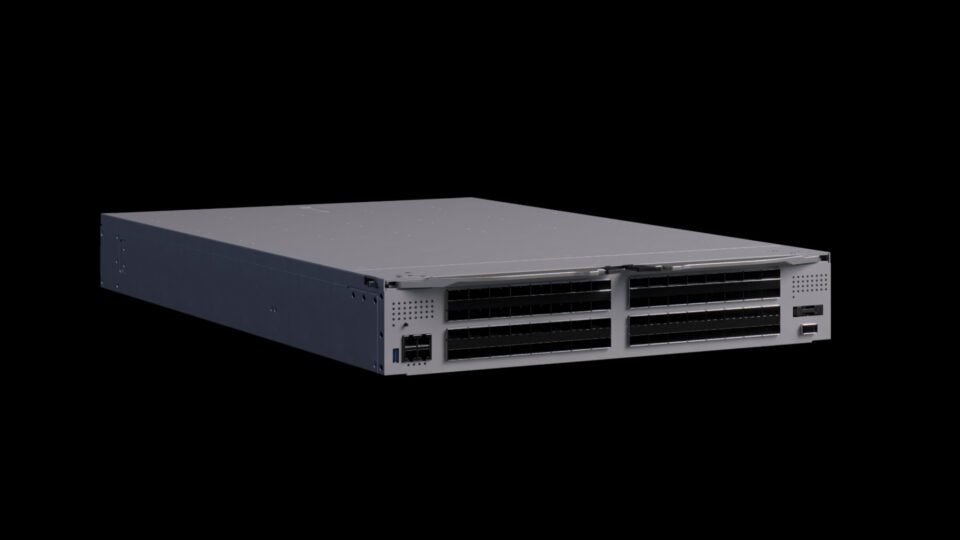
MGX 1.2 AreaContributionRack designMechanical reference architectureCompute traysModular tray specifications and design filesCoolingBlind mate liquid cooling interfacesPowerLiquid cooled 5,000 A busbarI/OConfigurable modular baysCompatibilityNative 19 inch hardware support
This architecture sits beneath the Vera Rubin NVL72 platform, which combines 72 Rubin GPUs with 36 Vera CPUs alongside NVLink, ConnectX networking, BlueField DPUs, and liquid cooling.
The shared design gives server manufacturers and component suppliers a common foundation for building compatible systems instead of independently engineering every mechanical and thermal element. NVIDIA also says the modular approach can simplify manufacturing, testing, servicing, and hardware reuse, while a central printed circuit board midplane replaces many traditional cable connections.
The move continues a strategy NVIDIA began with earlier MGX generations. The company previously contributed portions of its GB200 NVL72 electro mechanical architecture to OCP, and the same ecosystem now extends through GB300 and Vera Rubin.
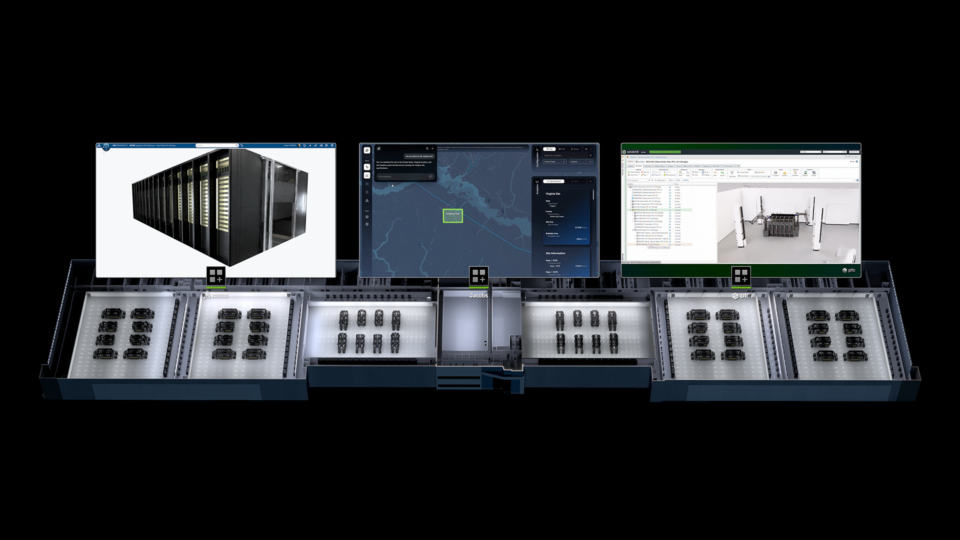
NVIDIA is also contributing open source components for its DSX AI Factory platform covering network configuration, cluster validation, rack management, and bare metal provisioning.
Those efforts arrive alongside broader industry standards involving AMD, Google, Meta, and Microsoft. A new Open Data Center Specification focuses on facility power, cooling, and physical layout, while a separate grid resilience specification covers how large AI installations should react to utility disruptions.
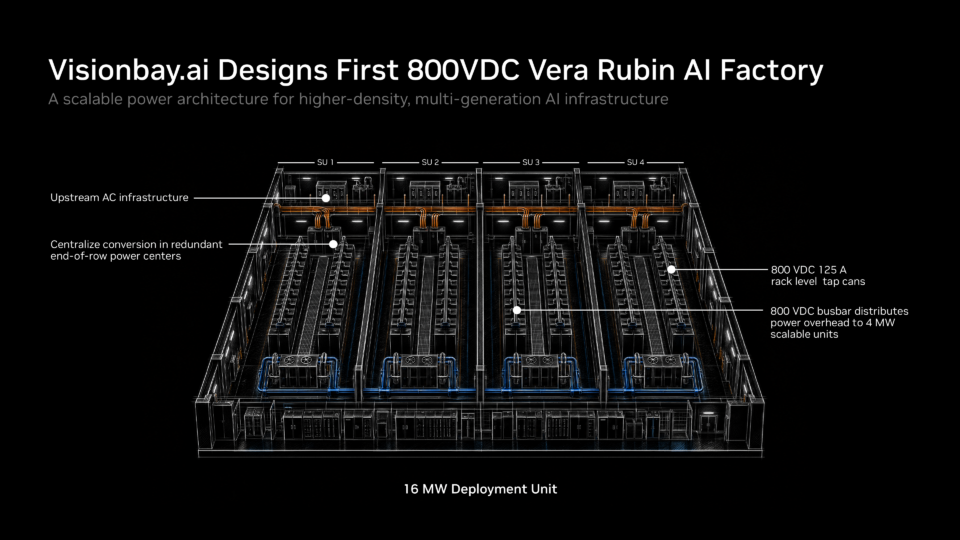
Power architecture is also evolving outside the rack itself. Future AI data centers are moving toward 800 VDC power distribution as operators look to reduce copper requirements and conversion losses at larger cluster scales.
For NVIDIA, the broader goal is to make the surrounding Vera Rubin platform easier for multiple vendors to manufacture and deploy while preserving control over the core compute technology. NVIDIA's OCP contribution shows that the AI platform battle is expanding beyond GPUs.
At this scale, mechanical design, thermal management, power delivery, and serviceability directly affect how quickly hardware can be deployed. A common MGX blueprint reduces duplicated engineering work and gives suppliers a clearer target for compatible hardware.
It also gives NVIDIA another strategic advantage. If MGX becomes a widely adopted reference architecture, the company's influence extends beyond the accelerator and deeper into how future AI data centers are physically built.
Do you think standardized rack designs will become as important as accelerator performance for the next generation of AI data centers?
