
NVIDIA GPU Rental Prices Defy Depreciation as H200 Premium Reaches 143%
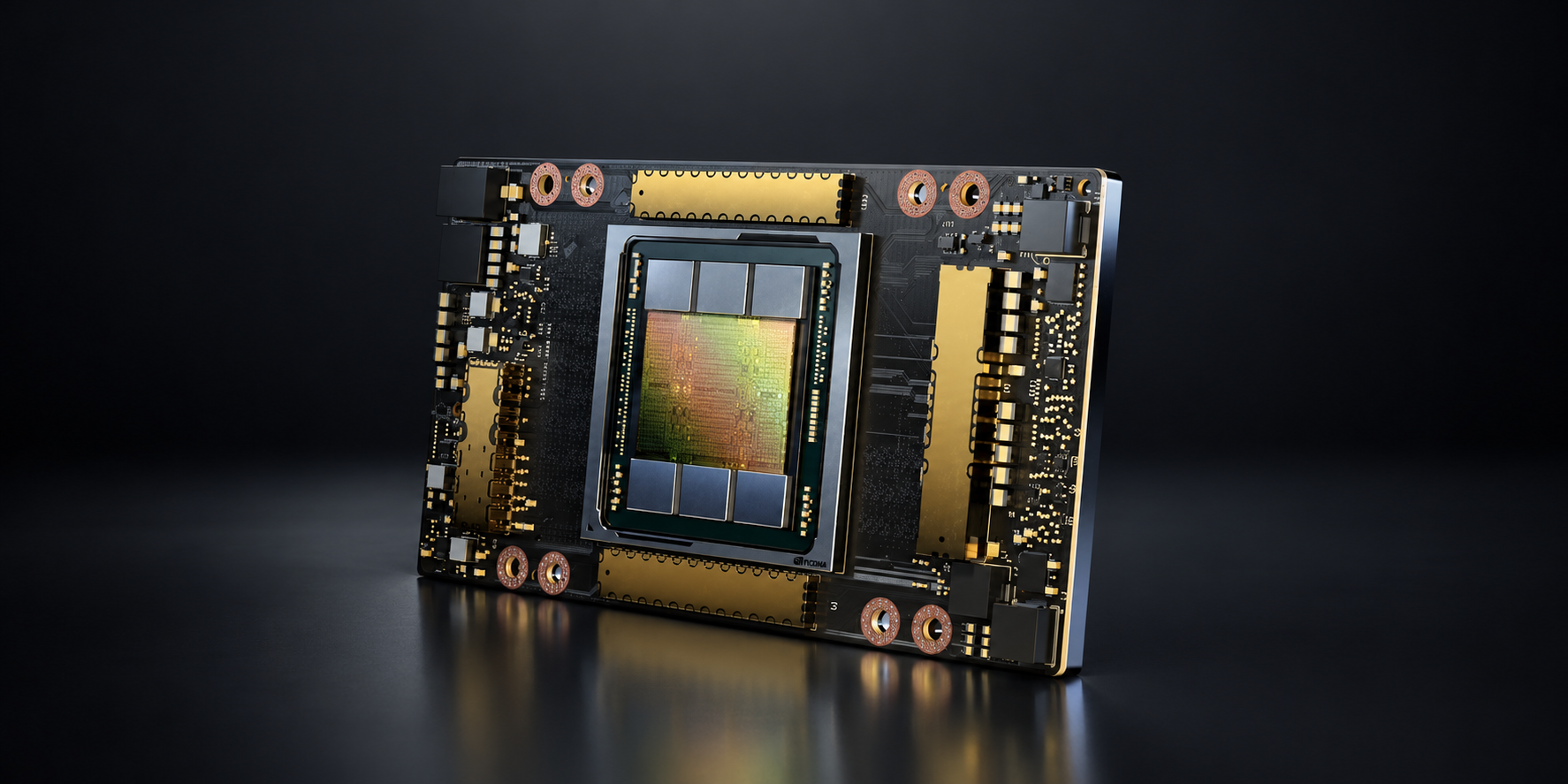
NVIDIA's AI accelerators are challenging traditional hardware depreciation expectations as demand for artificial intelligence computing continues to increase. According to new market analysis from Andreessen Horowitz (a16z), based on rental data collected by Ornn Data, GPUs ranging from the older A100 to the newer H200 and B200 are maintaining rental prices significantly above conventional depreciation projections, with the H200 commanding a premium reaching 143%.
The findings highlight a growing shift in AI infrastructure economics, where older GPUs can remain commercially valuable years after their introduction. While computing hardware traditionally loses value as newer architectures deliver greater performance and efficiency, increasing demand for large language model inference, training and AI token generation is helping sustain utilization across multiple NVIDIA generations.
NVIDIA GPU Rental Premiums in 2026
| NVIDIA GPU | Premium Over Expected Depreciation | Rental Price Per Hour |
|---|---|---|
| H200 | +143% | $6.20 |
| B200 | +111% | $9.57 |
| RTX PRO 6000 | +73% | $1.55 |
| H100 | +54% | $3.02 |
| A100 | +9% | $1.08 |
Premiums compare rental prices against a hypothetical 6 year linear depreciation model, not price increases since January 2026. Hourly prices are Ornn Data transaction based estimates as of October 24, 2026, and vary by provider and configuration.
The H200 demonstrates the strongest premium, reflecting growing demand for high bandwidth memory and the substantial memory capacity required by advanced AI workloads. Meanwhile, the newer B200 continues benefiting from strong demand for Blackwell computing resources, while the H100 remains relevant for inference and training applications.
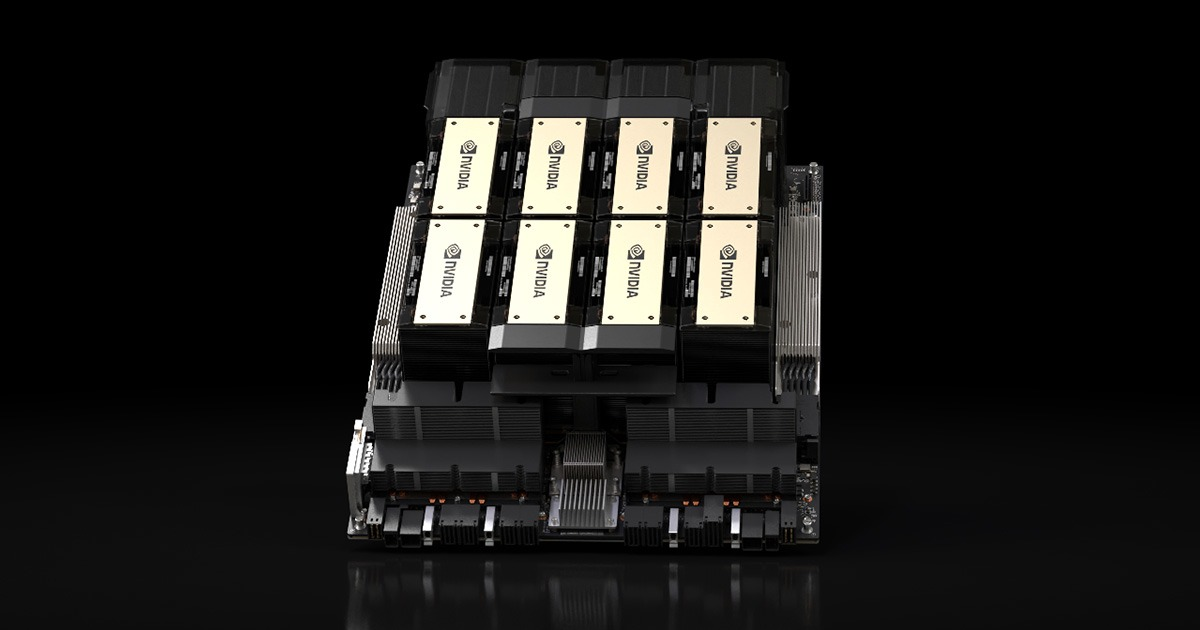
Perhaps more interesting is the continued commercial viability of the A100, an accelerator introduced in 2020. Despite lacking newer precision formats such as FP8, its 80GB memory configurations remain useful for running open weight language models, smaller inference workloads and fine tuning tasks where renting the latest architecture is unnecessary. This trend aligns with CoreWeave's decision to extend NVIDIA A100 deployments through 2029, demonstrating how existing hardware can continue generating revenue long after its initial deployment.
The analysis also points to a sharp increase in AI token consumption since spring 2026, supported by activity tracked through OpenRouter. While demand for AI inference appears to be contributing to stronger GPU rental markets, other factors, including hardware availability, data center capacity, electricity costs and supply constraints, may also influence pricing.
Importantly, stronger rental rates do not necessarily mean the GPUs themselves are appreciating in resale value. The 143% figure represents the H200's premium over a modeled depreciation baseline, not an equivalent increase in its purchase price or a guaranteed financial return. Nevertheless, the data suggests that the useful economic lifespan of AI accelerators may be considerably longer than previously anticipated.
The most significant development is not that NVIDIA's latest GPUs command premium rental prices, but that older architectures continue generating revenue alongside newer generations. AI infrastructure is increasingly becoming a market where memory capacity, software compatibility and cost per generated token can matter more than raw computing performance.
For cloud providers, keeping A100 and H100 clusters operational could improve long term returns without requiring immediate hardware replacement. For developers and businesses running local AI, the same principle reinforces the value of existing high VRAM hardware. However, rising rental demand also creates a potential challenge: if older accelerators remain financially attractive, affordable AI computing resources could become increasingly difficult to secure.
Would you invest in older NVIDIA A100 or H100 accelerators for AI workloads, or would you rather pay more for the efficiency and performance of newer Blackwell GPUs?
