
Nintendo’s Shigeru Miyamoto Sees Generative AI as an Opportunity for Human Creativity
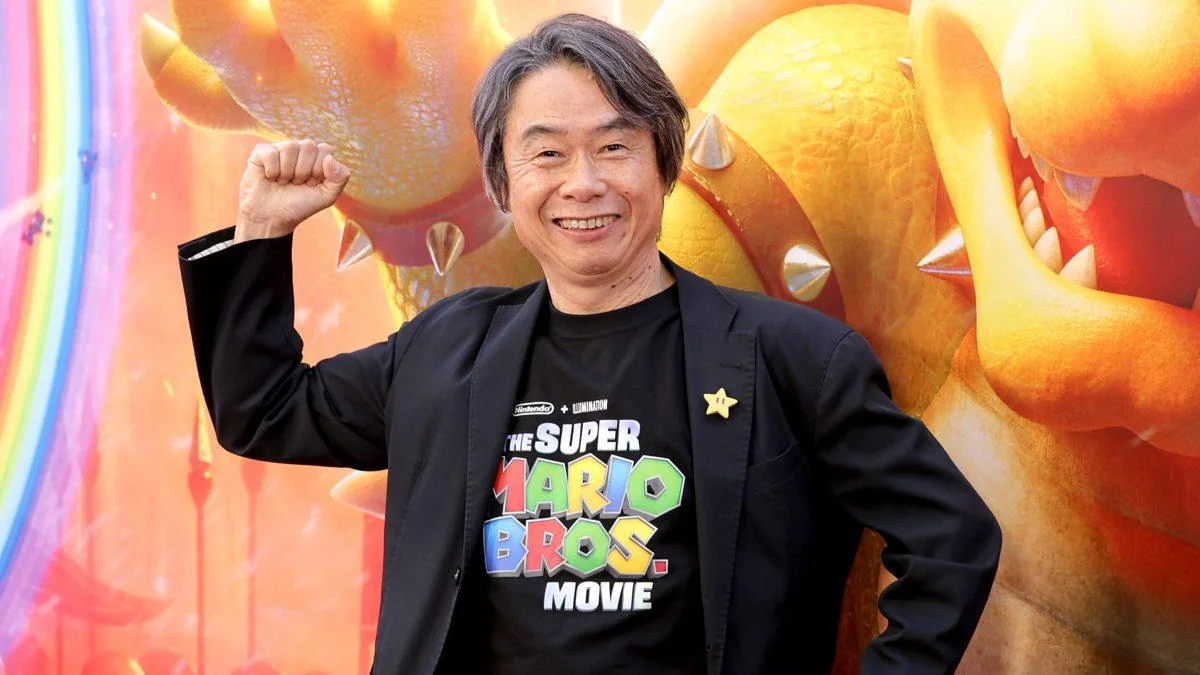
Nintendo legend Shigeru Miyamoto has shared a surprisingly optimistic perspective on generative artificial intelligence, suggesting that the technology could help game developers focus more on creativity rather than repetitive production tasks. The creator behind Super Mario and The Legend of Zelda believes that AI could become a valuable tool in game development without replacing the human imagination responsible for creating memorable experiences.
Miyamoto discussed the subject during an October 22, 2026 press conference at Nintendo's Kyoto headquarters, following his selection to receive Japan's prestigious Order of Culture on November 3. He becomes the first figure from the video game industry to receive the honor, recognizing nearly 50 years of contributions to interactive entertainment and Japanese culture. During the press conference documented by GAME Watch, Miyamoto compared the rise of generative AI to earlier technological developments that transformed traditional design work.
According to Miyamoto, the creative process consists of 2 distinct elements: developing an original concept and performing the practical work necessary to bring it to life. As computers evolved, designers gradually moved away from manual lettering and repetitive production techniques, allowing their individual artistic abilities and creative judgment to become more important. He believes generative AI could produce a similar transformation by handling certain technical tasks while allowing developers to concentrate on the ideas that define a game's identity.
"The more AI replaces these tasks, the more it provides an opportunity to reflect on what's really important."
— Quote by: Shigeru Miyamoto
However, Miyamoto also warned that completing a demanding task does not necessarily mean creating something meaningful. Developers can become satisfied with the production process itself without considering whether the final result delivers genuine artistic value. He emphasized that designs based entirely on copying existing work rarely leave a lasting impression because they lack individual creative intention.
His comments provide an interesting perspective on Nintendo's previously cautious position regarding generative AI. During the company's 2024 annual shareholder meeting, President Shuntaro Furukawa acknowledged the technology's creative potential while raising concerns about intellectual property rights. Nintendo maintained that its competitive advantage comes from delivering experiences that technology alone cannot reproduce.
Miyamoto's latest remarks do not confirm any change in Nintendo's development policies or indicate that generative AI is being implemented in upcoming Mario or Zelda games. Instead, they reinforce the distinction between using technology to support developers and allowing automated systems to replace creative direction.
The discussion also reflects a broader debate within the gaming industry, where developers are evaluating how AI can improve production efficiency without compromising artistic quality. Similar concerns have been raised by Razer CEO Min Liang Tan, who previously argued that players are more receptive to AI tools that improve game development than automated content that sacrifices originality.
Miyamoto's perspective offers an important distinction in the growing debate surrounding generative AI. The technology does not necessarily need to create entire characters, environments or narratives to become valuable in game development. Automating repetitive processes could give artists and designers additional time to refine gameplay mechanics, experiment with original concepts and improve the overall player experience.
However, efficiency should never become a substitute for creative ambition. Nintendo's strongest franchises have consistently succeeded through distinctive gameplay ideas rather than technological capabilities alone. If generative AI can support that philosophy while preserving human direction, it could become a useful development tool without compromising the artistic identity that makes games memorable.
Do you agree with Shigeru Miyamoto that generative AI could help developers become more creative, or do you believe AI generated content risks taking away the originality that makes video games special?
