
Razer CEO Says Gamers Reject Generative AI Slop, But Support AI Tools That Help Developers Ship Better Games
Razer chief executive officer Min Liang Tan is trying to draw a firm line in the sand on AI in gaming. In a CES 2026 interview with The Verge, Tan claimed he is speaking from a gamer first perspective, arguing that the community is not broadly anti AI, but specifically fed up with low effort generative AI output that reduces quality instead of raising it. His message is blunt: gamers do not want generative AI slop, but they do want AI tools that augment developers and improve the final product.
The timing matters because Razer has been leaning hard into AI as a core brand narrative. Tan acknowledged the backlash around Razer’s messaging that AI is the future of gaming, especially in social comments where players are quick to push back on anything that sounds like automation replacing artistry. Rather than retreat, Tan reframed the controversy as a targeting problem. He argues the community reaction is not anti innovation, it is anti low quality. He calls out the kind of AI generated content players immediately notice, character models with obvious errors, unreliable writing, and the general feeling of content that was churned out instead of crafted.
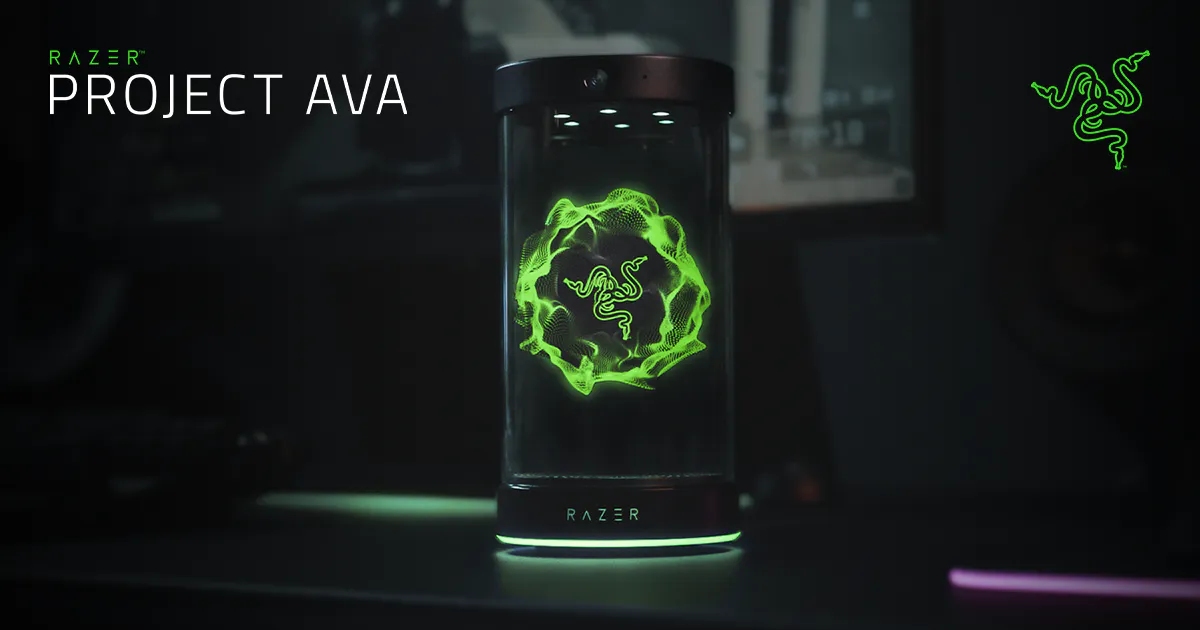
In the same conversation, Tan positioned Razer’s AI direction as developer enablement rather than creativity replacement. He highlighted an example product concept that focuses on quality assurance support, describing a QA Companion style AI designed to help teams find issues faster, improve iteration speed, and reduce bug related delays. Tan tied that to a cost argument as well, claiming QA can consume up to 40% of a game’s development budget, which in turn can become a major driver behind delayed releases. He also made a point that resonates with hardware focused audiences, acknowledging a second pressure point for gamers: AI demand can raise component costs, including memory pricing, and he stated he does not like that outcome either.
From an industry perspective, Tan’s position is an attempt to stabilize the conversation around AI in games by shifting it away from hype and toward operational value. Better QA is an easy sell because it targets something players feel directly, fewer bugs, better performance, fewer broken launches. The challenge, and The Verge calls this out clearly, is execution reality. There is a wide gap between what AI tool marketing promises and what current tools reliably deliver in production pipelines, especially when studios need consistent results, security, and workflows that do not slow teams down.
The bigger strategic question is whether players will accept AI when it is invisible and improves quality, while rejecting AI when it becomes visible and cheapens the experience. If Razer’s bet is correct, the winning AI tools in game development will not be the ones that generate more content. They will be the ones that protect quality, accelerate testing, and give developers more time to focus on craft.
Where do you draw the line on AI in game development: are you comfortable with AI for QA and bug finding, or do you prefer studios avoid AI entirely even if it could reduce broken launches?
