
NVIDIA CEO Jensen Huang Says TSMC Is Not a “One Man Show” and Operates as an Entire System
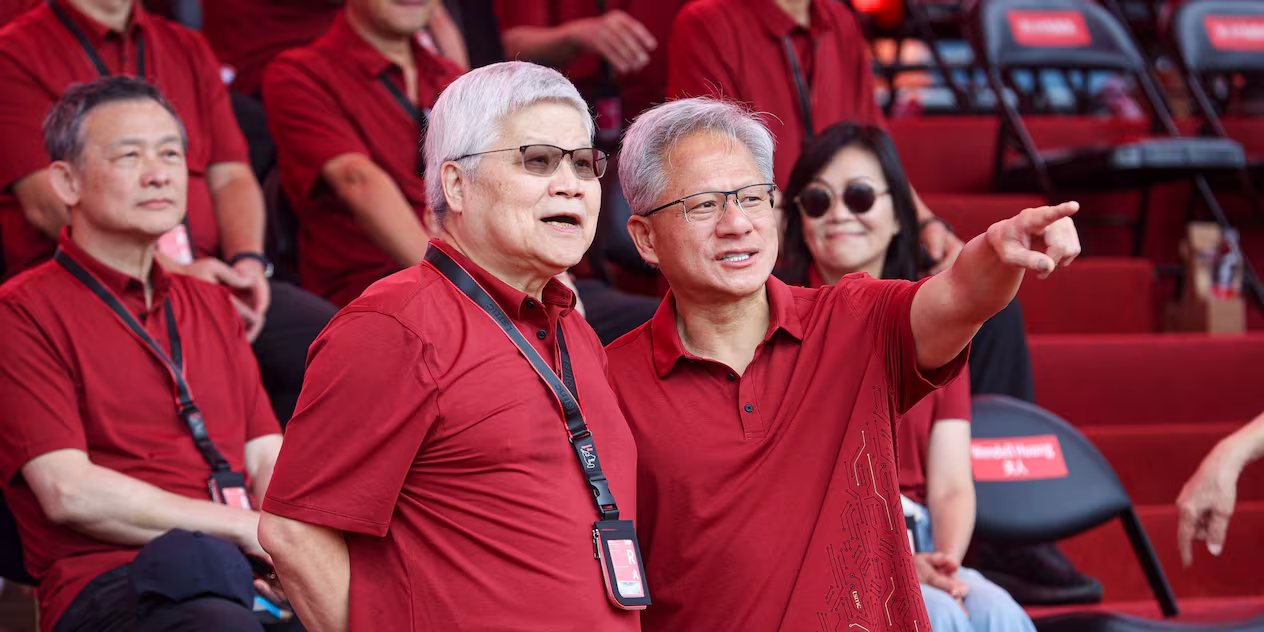
The unfolding dispute between Intel and TSMC has dominated semiconductor industry headlines, especially following the Taiwan foundry’s decision to formally file a lawsuit alleging that former executive Dr. Wei Jen Lo may possess sensitive information that could benefit competitors such as Intel. While visiting Taiwan during the Thanksgiving period, NVIDIA chief executive officer Jensen Huang was asked to comment on the situation, as reported by United Daily News.
Huang stated that although he is not familiar with the details of the case, he believes TSMC’s strength is rooted in the fact that the company operates as a complete system rather than relying on any single individual. His comments imply that the departure of one executive is unlikely to compromise TSMC’s operational integrity or strategic footing.
When pressed about whether NVIDIA has concerns regarding TSMC’s ability to safeguard proprietary technologies, Huang was direct. He praised TSMC for its excellent track record in protecting sensitive information and added that NVIDIA has no fear of technology leakage. He emphasized that even if a hypothetical leak were to occur, replicating NVIDIA’s technology stack would be extraordinarily difficult.
According to Huang:
“Our company’s technology is actually very complex, including chips, systems, and software. There are many different types of chips, not just GPUs. These technologies are too complex and too difficult to truly understand. It took us thirty three years to get to where we are today.”
The dispute continues to escalate. Intel chief executive officer Lip Bu Tan recently issued an internal memo asserting that the allegations against Dr. Wei Jen Lo are unfounded and that Intel will fully support its new hire. TSMC, however, argues that the former executive had access to highly confidential data, including information related to two nanometer process development and EUV deployment. Earlier reports indicate that Dr. Lo may have kept handwritten notes containing sensitive material, which heightens TSMC’s concerns.
Given Intel’s position as a leading American semiconductor company, industry observers suggest that the case may eventually carry geopolitical implications. For now, the matter is formally in the hands of the courts, and the industry awaits the results of the ongoing investigation.
Do you think this legal dispute will meaningfully influence future semiconductor talent movement between major chipmakers?
