
NVIDIA and Microsoft are expanding their collaboration to bring accelerated computing across Azure data centers, enterprise infrastructure, and Windows PCs, introducing new capabilities for artificial intelligence, local AI models, and cloud computing. Announced during Microsoft Ignite 2026 on November 19, the partnership combines NVIDIA's Vera Rubin architecture, RTX Blackwell GPUs, and AI software with Microsoft's cloud and desktop platforms, allowing developers and businesses to deploy AI workloads across multiple computing environments.
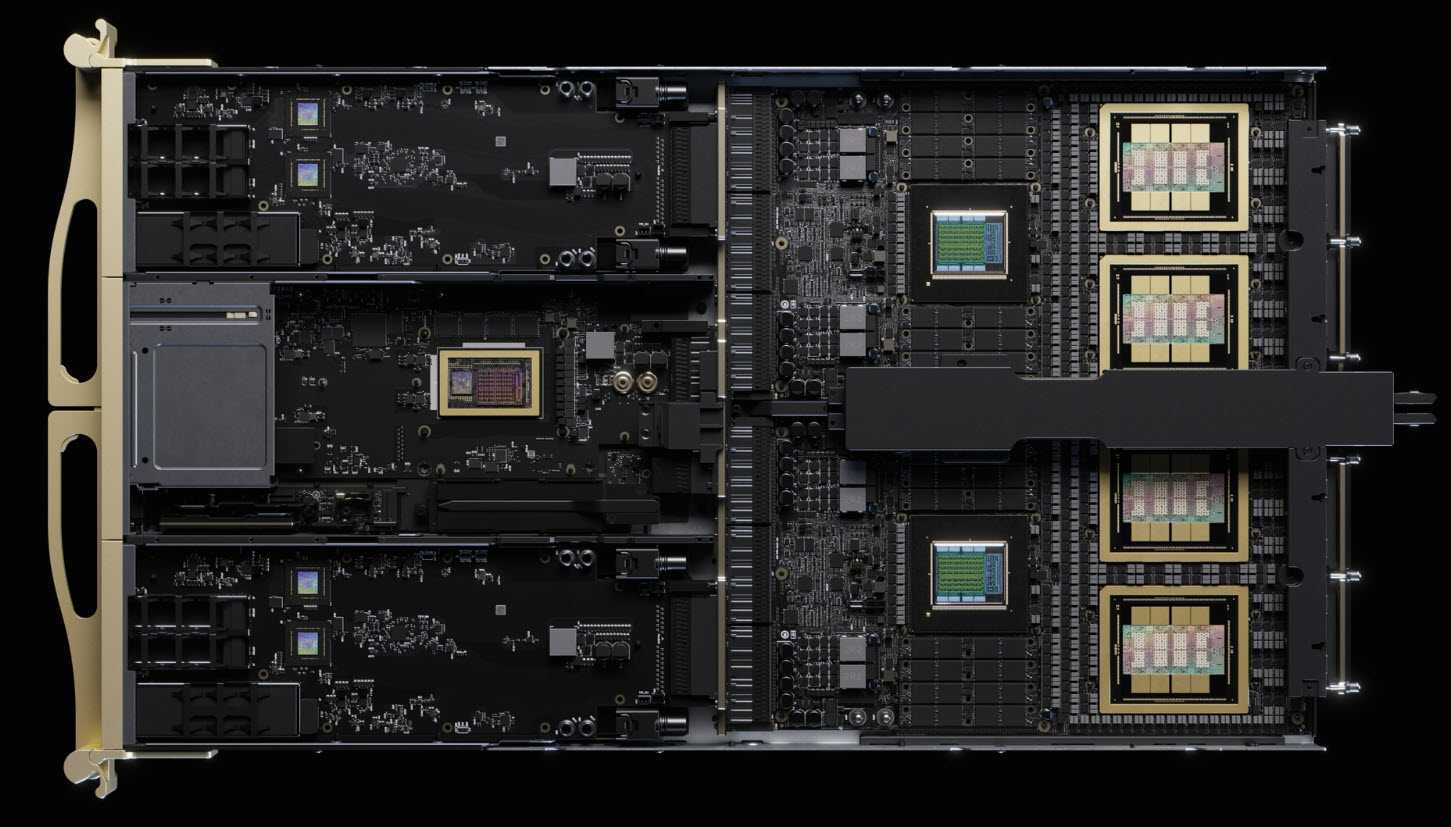
According to NVIDIA's official announcement, Microsoft Azure is expanding access to virtual machines powered by NVIDIA Vera Rubin NVL72 systems, designed for large scale AI training, inference, and autonomous agents. Each NVL72 system integrates 72 Rubin GPUs and 36 Vera CPUs through NVIDIA's NVLink architecture, providing substantial computing capacity for increasingly complex AI models. Microsoft has already deployed the platform within its Azure infrastructure, building on its previous commitment to support both AMD Helios and NVIDIA Vera Rubin accelerators.
The companies are also strengthening security and energy efficiency across their data center operations. NVIDIA Confidential Computing and hardware attestation will help organizations protect sensitive AI models and business information during processing, while NVIDIA MaxLPS aims to improve computing efficiency under increasingly demanding power requirements. These developments are particularly relevant as electricity availability and infrastructure costs become major limitations for large AI deployments.
Beyond hardware, Microsoft Foundry is receiving expanded support for NVIDIA's Nemotron 3.5 family of open models, including specialized versions for reasoning, coding, document processing, and autonomous agents. New capabilities allow organizations to customize AI models using their own information and deploy modified model weights through managed infrastructure. NVIDIA highlighted an implementation by EY that improved classification accuracy by 55% while reducing costs by 15 times compared with proprietary frontier models in its specific evaluation. These figures demonstrate the potential of specialized AI models, although results will vary depending on the workload.
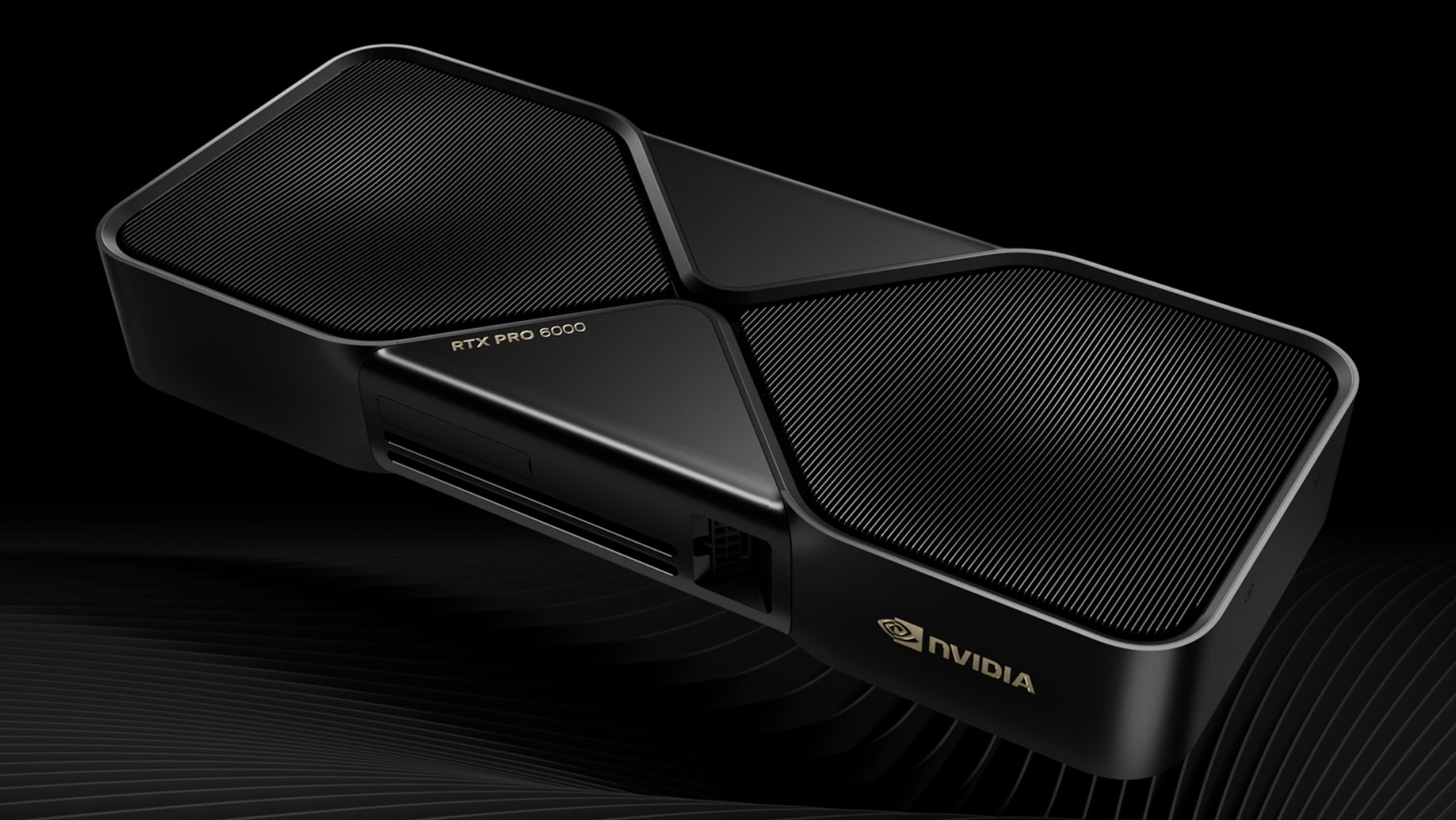
One of the most important developments involves bringing AI processing closer to users and their data. Microsoft is expanding Azure Local support for NVIDIA RTX PRO 6000 Blackwell GPUs, while Foundry Local gains additional capabilities for running Nemotron models directly within enterprise infrastructure. Support for NVIDIA Jetson Thor and Jetson Orin also extends these technologies into robotics, industrial automation, and computer vision, allowing organizations to process information locally without depending entirely on remote data centers.
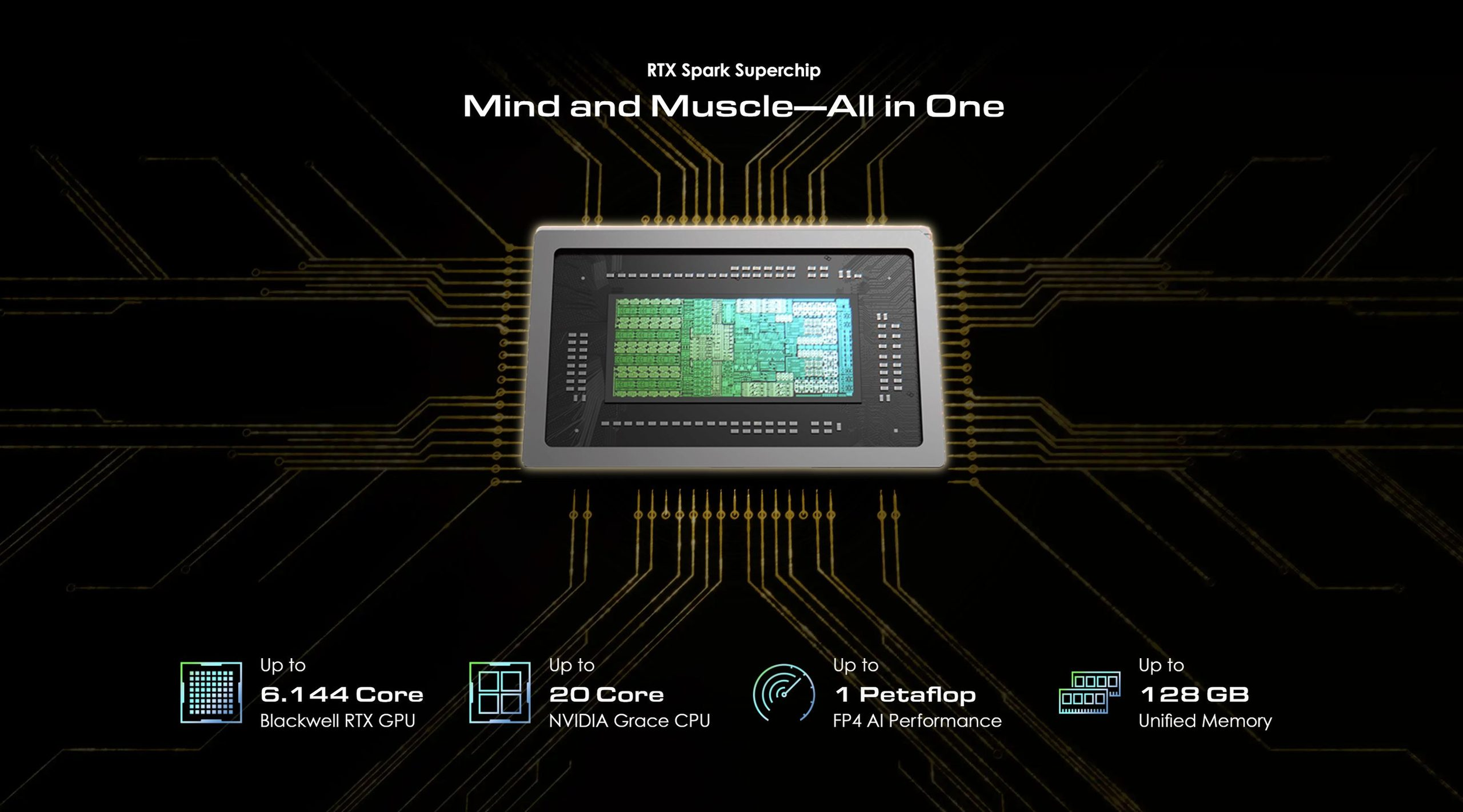
For Windows users, NVIDIA and Microsoft are demonstrating local large language models running on RTX Spark computers, combining NVIDIA Blackwell graphics with the Grace CPU architecture and unified memory. The platform supports configurations with up to 128 GB of memory and is designed for local AI agents, content generation, software development, and other GPU accelerated workloads. This continues NVIDIA's broader efforts to bring local AI processing to Windows PCs through RTX Spark, providing an alternative to relying exclusively on subscription based cloud services.
Microsoft is also improving GPU accelerated Windows 365 Cloud PCs through its Direct Stream technology. The upcoming enhancements support up to 2 simultaneous 4K streams at 60 FPS, improved image quality, and reduced bandwidth requirements, making remote workstations more suitable for graphics intensive applications. According to Microsoft's Windows 365 announcement, the improvements are currently available through limited preview registration, with a broader public preview planned for early 2027.
The partnership also extends into scientific research, with NVIDIA BioNeMo and ALCHEMI tools joining Microsoft's Discovery platform to accelerate computational biology, drug discovery, and materials research. Microsoft is additionally integrating NVIDIA Dynamo into its AI development infrastructure to improve inference scheduling and model training operations, reinforcing NVIDIA's growing influence beyond the graphics hardware market.
NVIDIA and Microsoft's expanding collaboration demonstrates how accelerated computing is becoming central to both enterprise infrastructure and personal computers. While Vera Rubin systems provide enormous computing capacity for cloud AI services, the more interesting development for individual users is the continued expansion of local AI capabilities within Windows.
The ability to operate AI models directly on personal hardware offers meaningful advantages in privacy, data ownership, and independence from recurring cloud computing expenses. RTX Spark and Foundry Local demonstrate that NVIDIA and Microsoft recognize the importance of processing data closer to its source rather than requiring every application to depend on remote servers.
However, local AI should remain accessible to consumers using hardware they already own, not become a feature reserved for expensive specialized systems. Microsoft should continue supporting standard gaming PCs, existing NVIDIA RTX graphics cards, and competing GPU architectures rather than restricting advanced AI capabilities to premium hardware.
For PC gamers and technology enthusiasts, the biggest opportunity lies in making GPU acceleration more useful beyond gaming, including local image generation, video editing, programming, and personal AI assistants. The future of AI computing should expand hardware capabilities while preserving upgradeability, software compatibility, and user control.
Would you prefer running AI models locally on your own gaming PC, or do you believe cloud platforms such as Microsoft Azure offer a better balance between performance, cost, and convenience?
