
Microsoft Will Deploy AMD Helios and NVIDIA Vera Rubin Despite Reported Price Gap
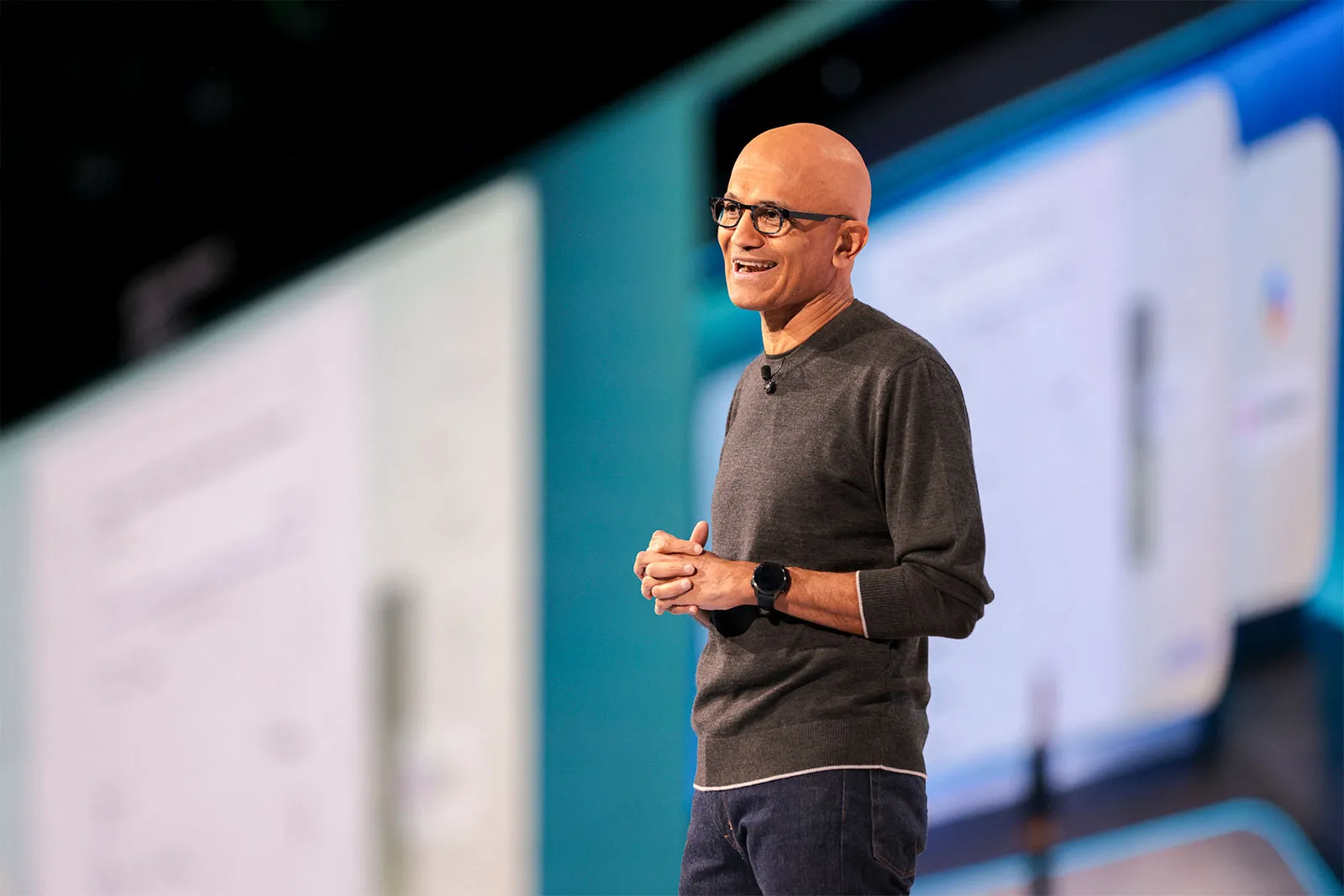
Microsoft has confirmed that Azure will deploy both AMD Helios and NVIDIA Vera Rubin rack scale systems, demonstrating that the company intends to diversify its artificial intelligence infrastructure rather than depend entirely on a single accelerator supplier. The commitment remains notable because AMD Helios is reportedly priced around 40% above some estimates for NVIDIA Vera Rubin.
During Microsoft’s fiscal year 2026 fourth quarter earnings call, CEO Satya Nadella said Azure would be among the first cloud providers to deploy next generation infrastructure based on both platforms. Microsoft is also expanding its own Maia accelerator program, indicating that Azure will combine internal silicon with AMD and NVIDIA hardware according to workload requirements, availability, performance, and cost.
"We will be among the first cloud providers to deploy next generation rack scale AI infrastructure based on AMD Helios and NVIDIA Vera Rubin."
— Quote by: Satya Nadella
Microsoft had already confirmed a broader strategic agreement with AMD on July 20. AMD will begin shipping Helios systems to Microsoft during the second half of 2026, with Azure using the infrastructure for frontier model inference, customer applications, and Azure AI services. The agreement also covers AMD EPYC Venice processors, Pensando networking technology, and integration with Azure Boost.
Helios combines 72 AMD Instinct MI455X GPUs with EPYC processors, Pensando networking, and the ROCm software platform. A complete rack provides up to 2.9 exaFLOPS of FP4 performance, 1.4 exaFLOPS of FP8 performance, and 31 TB of HBM4 memory. AMD is positioning the system around open standards including Open Rack Wide, UALink, and Ultra Ethernet.
The reported pricing comparison requires caution. Futurum estimates place Helios between $5 million and $5.5 million, while one earlier Vera Rubin estimate placed the NVIDIA system between $3.5 million and $4 million. Those ranges create the reported difference of approximately 40%, but neither AMD nor NVIDIA has confirmed these figures as universal customer pricing.
The comparison is further complicated because AMD describes Helios as a reference design rather than a product sold directly by the company. OEM and ODM partners will manufacture their own systems based on the blueprint, meaning final pricing can change according to memory, storage, networking, cooling, support, contract volume, and system configuration. The reported premium was previously examined through this AMD Helios pricing analysis.
NVIDIA Vera Rubin NVL72 combines 72 Rubin GPUs with 36 Vera CPUs connected through NVLink 6, alongside ConnectX 9 networking and BlueField 4 data processing units. NVIDIA claims the system can train large Mixture of Experts models with one fourth the number of GPUs required by Blackwell while providing up to 10 times more inference throughput per watt and one tenth the cost per token. These remain NVIDIA performance claims and will require independent production testing.
Microsoft has already powered on Vera Rubin NVL72 inside its laboratories and plans to roll the platform into its liquid cooled Azure data centers. The company therefore appears to be evaluating Helios and Vera Rubin as complementary infrastructure rather than treating the platforms as direct replacements for one another.
Microsoft may use NVIDIA systems where CUDA compatibility, NVLink scaling, and established software support provide the strongest operational advantage. Helios could be selected for workloads that benefit from its 31 TB of HBM4 memory, open networking architecture, ROCm portability, and integration with AMD processors and Pensando networking.
Microsoft’s decision shows why the initial purchase price of an artificial intelligence rack does not determine its commercial value. Hyperscale operators evaluate generated tokens, energy use, memory capacity, software maturity, deployment speed, reliability, and utilization across the complete service life of the system.
The reported 40% premium could disappear if Helios supports larger models with fewer racks or delivers better utilization for specific inference workloads. It could also become difficult to justify if ROCm integration, software compatibility, or operational efficiency fails to match NVIDIA’s mature ecosystem.
Microsoft gains negotiating leverage and supply flexibility by deploying both platforms. AMD receives an important hyperscale validation, while NVIDIA remains central to Azure’s next generation infrastructure. The real competition will begin when both systems operate at scale and customers can compare total cost per workload rather than estimated rack prices.
Can AMD justify a reported Helios price premium through higher memory capacity and open standards, or will NVIDIA’s software ecosystem remain the decisive advantage?
