
NVIDIA and Corning Expand US Optical Manufacturing for AI With 10x Capacity Target and 3,000 New Jobs
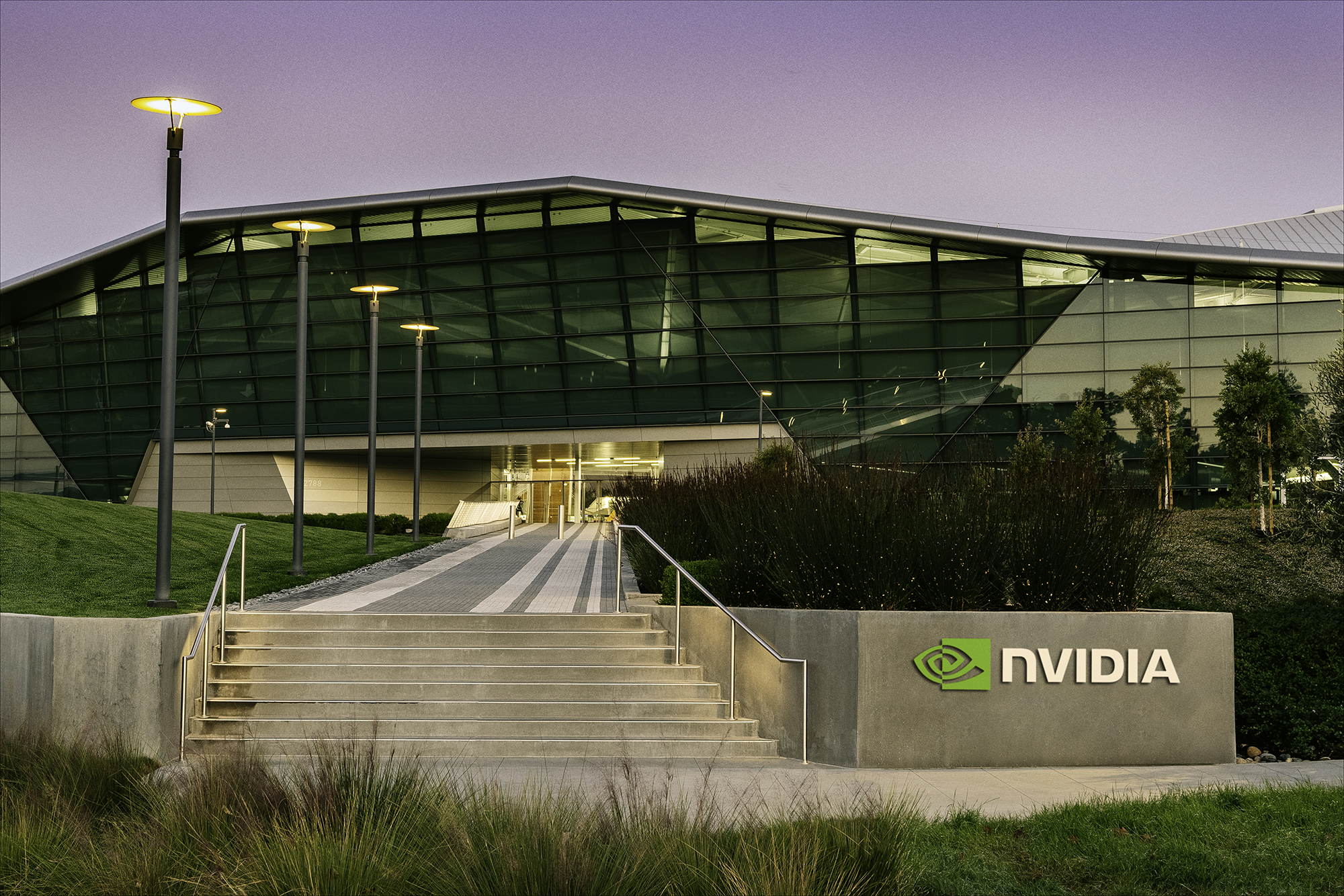
NVIDIA is moving deeper into the physical infrastructure side of the AI boom, announcing a long term partnership with Corning aimed at dramatically expanding US based optical connectivity manufacturing for next generation AI systems. According to the official announcement, Corning will increase its US optical connectivity manufacturing capacity by 10x, expand US fiber production capacity by more than 50%, build 3 new advanced manufacturing facilities in North Carolina and Texas, and create more than 3,000 new high paying American jobs.
The core of the deal is not GPUs themselves, but the optical infrastructure that keeps AI factories and hyperscale data centers fed with data. Corning says its expanded capacity will supply the advanced optical connectivity needed to deploy NVIDIA accelerated computing at scale, which includes the fiber, photonics, and high performance links required to move data across clusters packed with thousands of GPUs. Reuters also noted that this partnership reflects how the AI buildout is now lifting demand far beyond chips and into the broader supplier ecosystem that supports high bandwidth data center operations.
That makes this a strategically important move for NVIDIA. The AI arms race is increasingly constrained not only by compute supply, but by how quickly data can travel between accelerators inside giant clusters. Optical connectivity has become one of the key enabling layers for large scale AI deployment, especially as data center operators push toward bigger rack level and campus level fabrics. In practical terms, NVIDIA is helping secure more of the infrastructure stack around its AI platform, not just the processors at the center of it. That last point is an inference based on the official focus of the partnership and the role Corning’s products play in AI data centers.
Jensen Huang framed the partnership in both industrial and national terms, calling AI “the largest infrastructure buildout of our time” and describing the collaboration with Corning as a chance to strengthen American manufacturing and supply chains. Corning CEO Wendell Weeks echoed that message, saying the partnership proves AI is not only a technology story but also a manufacturing story happening inside the United States. Those comments are significant because they show NVIDIA wants to position this deal as part of a broader domestic industrial expansion around AI, not just a supply agreement.

There is also a financial dimension that makes the announcement even bigger than the headline press release alone suggests. Reuters reported that NVIDIA made a substantial financial commitment to support Corning’s factory expansion, including a multi billion dollar prepayment that had not been publicly disclosed earlier, in addition to a previously disclosed equity investment structure. That funding is intended to help Corning build the new US facilities needed to boost production.
From a market perspective, this is a smart and forward looking move. AI data center demand is no longer just about who can ship the most accelerators. It is also about who can guarantee the networking, interconnect, and optical capacity required to keep those accelerators productive. As clusters grow, the supporting fabric becomes just as critical as the compute silicon itself. NVIDIA clearly sees that, and Corning is now one of the companies positioned to benefit directly from that reality. That last conclusion is an inference based on the official announcement and Reuters reporting on the role of fiber optics in AI infrastructure.
For the US manufacturing side, the announcement is equally important. Three new facilities, a 10x optical connectivity increase, and more than 3,000 jobs make this one of the clearer examples of the AI boom translating into real industrial expansion on American soil. It also shows that the next wave of AI competition will be fought not only in model performance and chip design, but in the physical supply chains that make large scale deployment possible.
What do you think will matter more in the next AI race: better chips, or stronger manufacturing and optical infrastructure to support them?
