
LEGO Batman: Legacy of the Dark Knight May Set a Worrying New PC Benchmark by Requiring Frame Generation Just to Reach 30 FPS
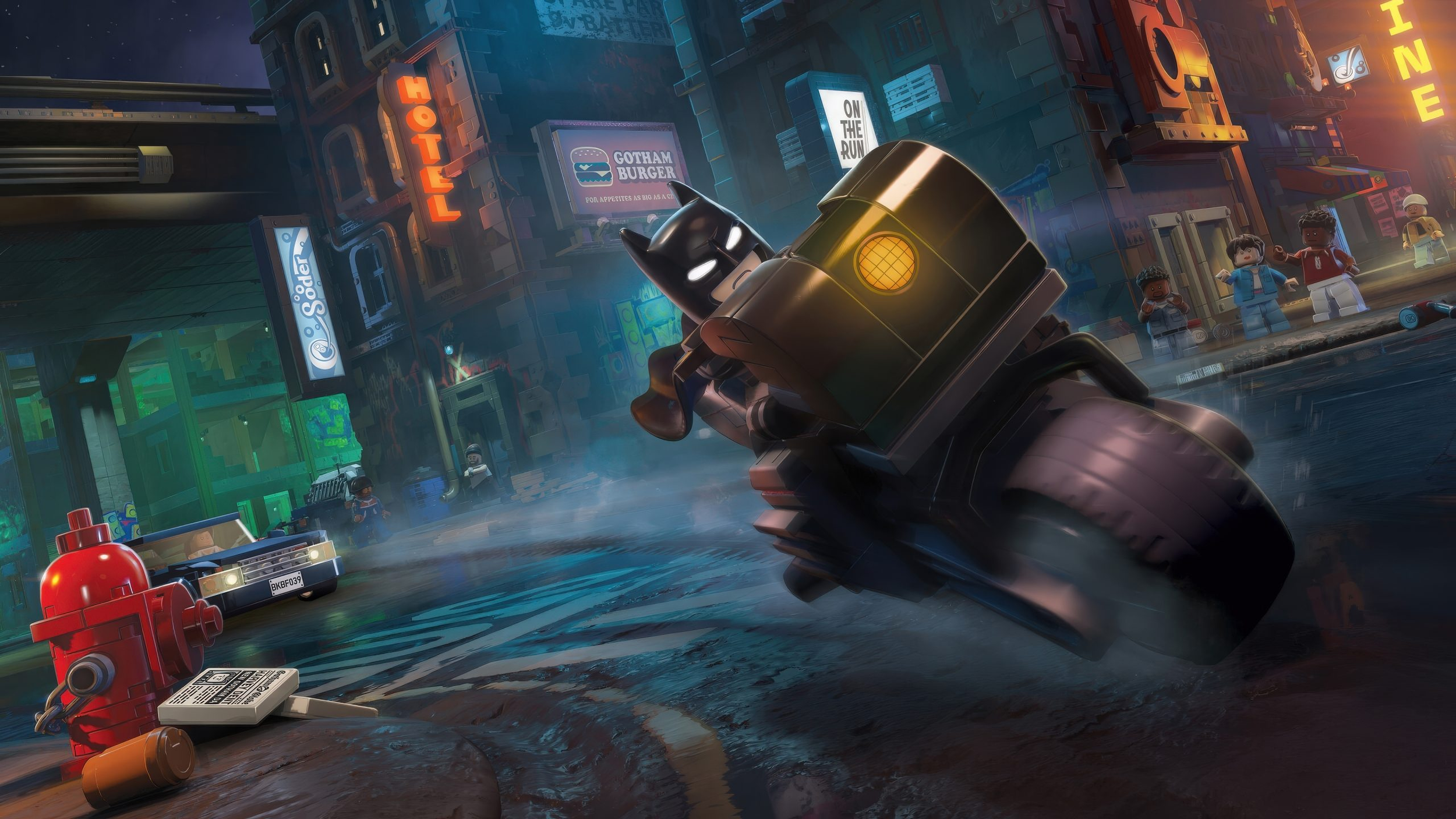
TT Games has revealed the official PC system requirements for LEGO Batman: Legacy of the Dark Knight, and they immediately raise a red flag for the state of PC optimization in 2026. Based on the game’s official store listings, the minimum specification targets 1080p at 30 FPS on Low settings only with FSR or XeSS Balanced and Frame Generation enabled. The recommended profile also leans on frame generation, targeting 1440p at 60 FPS on Medium with DLSS, FSR, or XeSS in Quality mode plus frame generation. That makes this one of the clearest examples yet of a major PC game listing frame generation not as an optional enhancer, but as part of the baseline path to acceptable performance.
That is why the requirements are causing concern. Frame generation technologies were designed to improve an already decent baseline frame rate, not to rescue a game that may be rendering somewhere around 15 to 20 real frames per second and then interpolating its way to 30. When that happens, the experience can look smoother on paper while still feeling sluggish in motion because the underlying input response and frame pacing are still anchored to the much lower base render rate. That is particularly worrying for an action game, even one with a broader family audience. This is an inference based on how frame generation works and the game’s stated minimum target.
The official PC requirements published on Steam and the Epic Games Store lay that out very clearly.
| Specs | Minimum | Recommended | 4K |
|---|---|---|---|
| OS | Windows 11 | Windows 11 | Windows 11 |
| Processor | Intel Core i5 10600K or AMD Ryzen 5 1600 | Intel Core i7 12700 or AMD Ryzen 7 5800X | Intel Core i7 14700K or AMD Ryzen 7 9700X |
| Memory | 16 GB RAM | 16 GB RAM | 24 GB RAM |
| Graphics | NVIDIA GeForce GTX 960 4 GB, AMD Radeon RX 6400 4 GB, or Intel Arc A580 8 GB | NVIDIA GeForce RTX 2070 Super 8 GB, AMD Radeon RX 6650 XT 8 GB, or Intel Arc B580 12 GB | NVIDIA GeForce RTX 4070 12 GB or AMD Radeon RX 9070 XT 16 GB |
| Details | Low 1080p at 30 FPS with FSR or XeSS Balanced and Frame Gen enabled | Medium 1440p at 60 FPS with DLSS, FSR or XeSS Quality and Frame Gen enabled | 2160p at 60 FPS with DLSS, FSR or XeSS Quality and Frame Gen enabled |
| Storage | SSD required, 50 GB available space | SSD required, 50 GB available space | SSD required, 50 GB available space |
The bigger issue is that this requirement lands in a moment when the GPU vendors themselves have generally framed frame generation as something best used on top of a healthy starting point, not as a substitute for one. AMD’s current FSR page describes frame generation as a way to predict and insert frames for smoother and higher frame rate gaming, but it does not pitch it as a fix for fundamentally poor baseline rendering performance. NVIDIA likewise markets DLSS Frame Generation and Multi Frame Generation around maximizing already playable frame rates on higher refresh displays, not around dragging sub 30 FPS experiences into basic playability.
That is what makes these specs feel so uneasy. If TT Games is officially comfortable saying the minimum PC target depends on upscaling plus frame generation just to hit 30 FPS, it suggests the native baseline on lower end hardware could be rough. And because the game runs on Unreal Engine 5, that concern becomes even sharper, especially for an open world LEGO title where traversal and city streaming could add more pressure to CPU and GPU performance. The official game site and recent previews confirm the title launches on May 22, 2026.
Now, there is one important nuance here. The official requirement sheets do not explicitly say the game is unplayable without frame generation. They say the listed performance targets were measured with those technologies enabled. That means real world testing could still show better than feared results on some hardware, or more scalable settings than the published sheet suggests. But as a messaging choice, these requirements still land badly, because they normalize the idea that frame generation belongs in the minimum spec rather than in the premium settings column. That is an inference based on the wording of the official requirement listings.
If the final game ships with solid frame pacing, strong scalability, and better than expected performance on lower end GPUs, this may end up looking like an overly cautious requirements sheet. But right now, on paper, LEGO Batman: Legacy of the Dark Knight is flirting with something the PC market should be careful about accepting too easily: treating generated frames as a replacement for actual optimization instead of a bonus layered on top of it.
Are you okay with frame generation appearing in recommended specs, or does seeing it in the minimum requirement line feel like a step too far?
