
Maxsun Brings MoDT Value Back Into Focus With Intel Raptor Lake Laptop Chips Soldered Onto a Budget Board
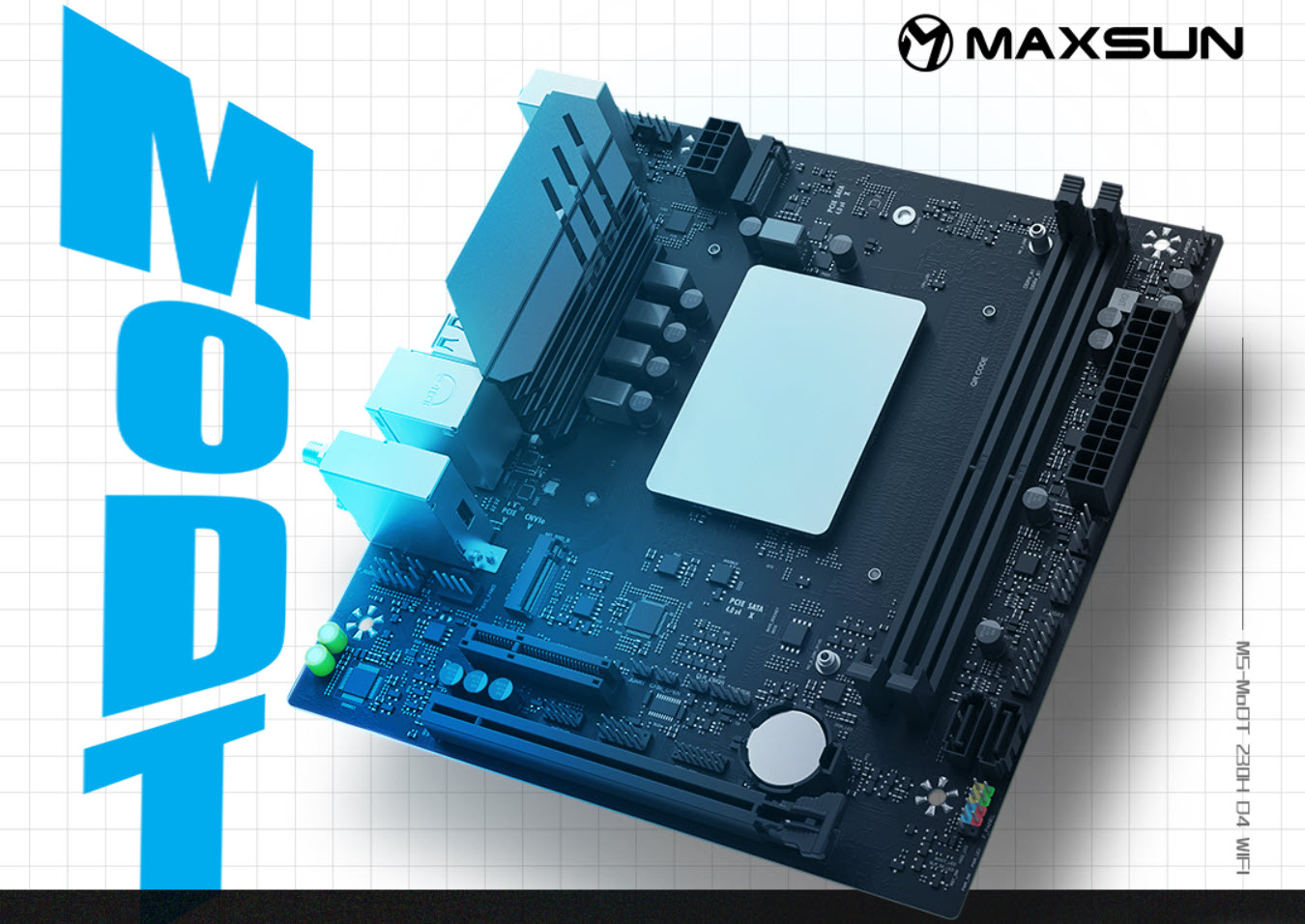
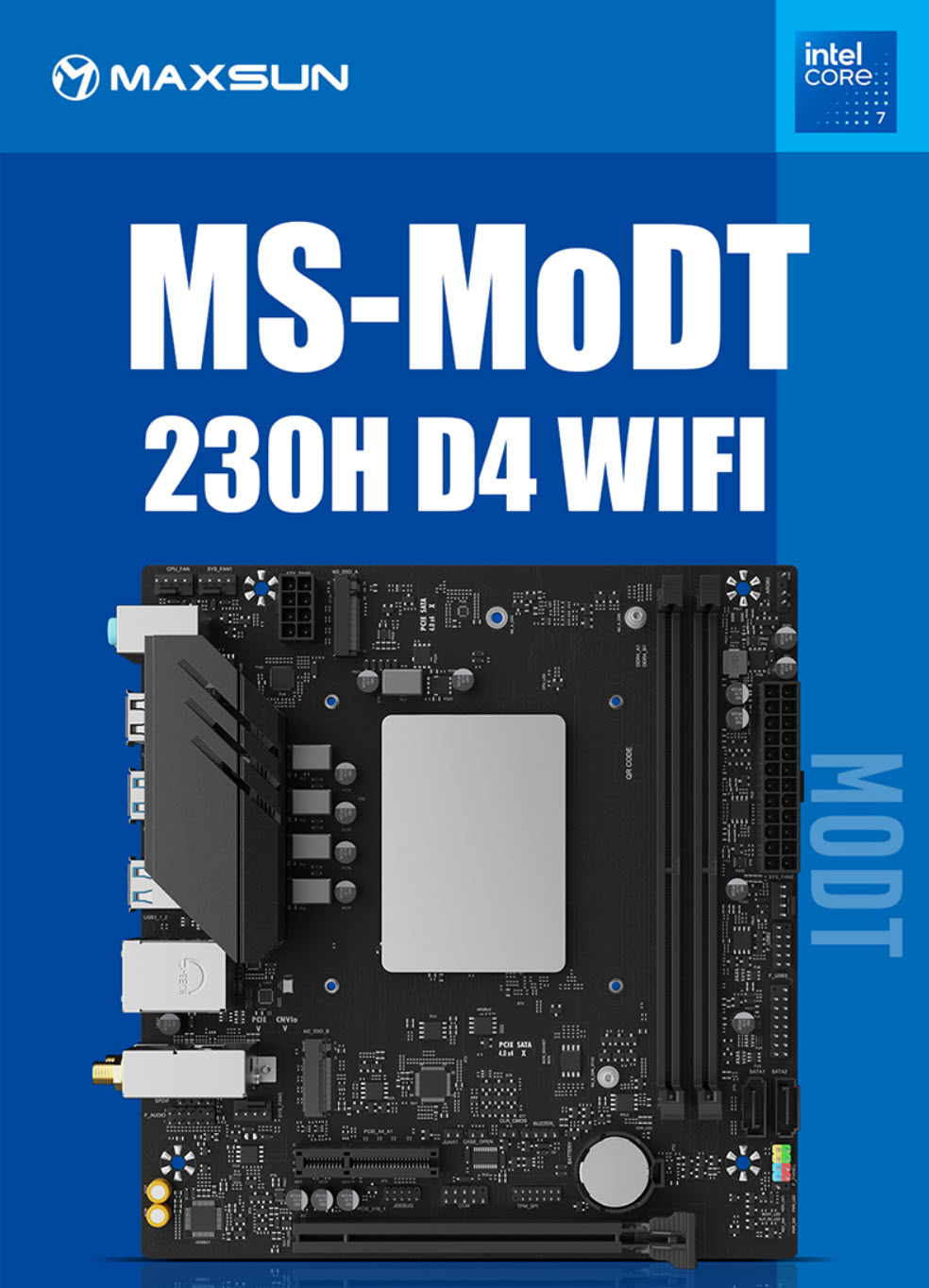
Maxsun is expanding its MoDT lineup with 2 new integrated motherboard designs that continue pushing the value argument for budget PC builders. The new MS MoDT 230H D4 WIFI and MS MoDT 205H D4 WIFI, also highlighted by Maxsun Official, combine a pre mounted Intel mobile processor with a compact desktop style motherboard, effectively turning the platform into a 2 in 1 CPU and board package. That makes these products especially interesting for entry level gaming builds and low cost desktop systems where upgrade flexibility matters less than keeping the initial build price down.
Looking for high performance in a compact form factor?
— Maxsun Official (@MaxsunOfficial) May 7, 2026
Maxsun #MoDT (Mobile on Desktop) 👀
MS-MoDT 230H and MS-MoDT 205H🌐
Powered by #Intel's efficient mobile processors, these boards deliver a great balance of performance, connectivity, and thermal efficiency — perfect for SFF… pic.twitter.com/9WsNWRQ6Gl
The headline appeal is simple. Instead of buying a separate desktop processor and then adding a motherboard on top, buyers get both in one package at a much lower total cost. Based on Maxsun’s published positioning, the pricing is expected to land around 800 RMB to 1,500 RMB, which puts the lower model below 150 dollars and the higher model around 200 dollars. At those levels, the upper end version could come in at roughly half the price of some traditional mainstream Intel CPU plus motherboard combinations once both parts are purchased separately.
On paper, the higher tier model is the more eye catching one. Maxsun lists it with an Intel Core 7 230H class chip configured as a 10 core, 16 thread part with 6 Performance cores, 4 Efficient cores, boost clocks up to 5.2 GHz, 24 MB of cache, 45 W base power, and 115 W maximum turbo power. The second board is positioned around an Intel Core 5 205H class configuration with 8 cores, 12 threads, 4 Performance cores, 4 Efficient cores, boost clocks up to 4.8 GHz, 12 MB of cache, and a similar power envelope. Those specifications line up closely with Intel’s public Raptor Lake mobile H series stack, which reinforces that Maxsun is targeting proven laptop silicon repurposed into a desktop friendly integrated board format.
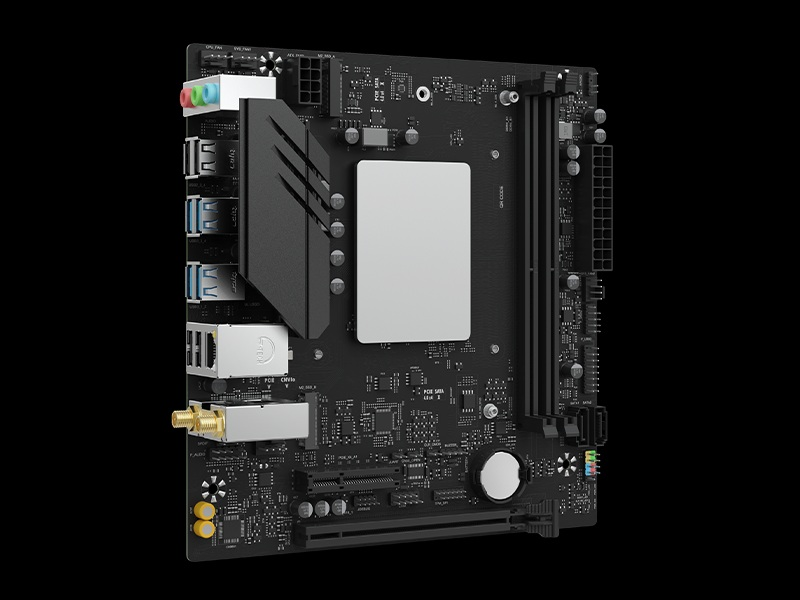
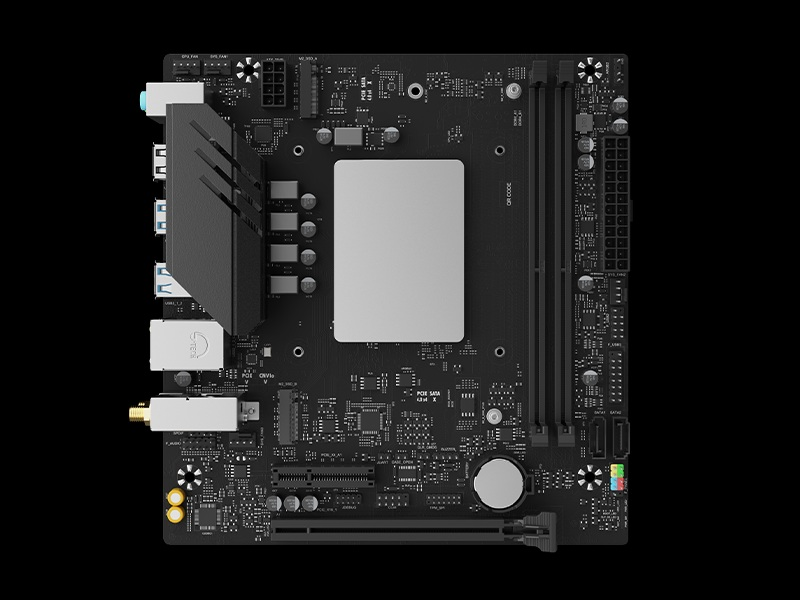
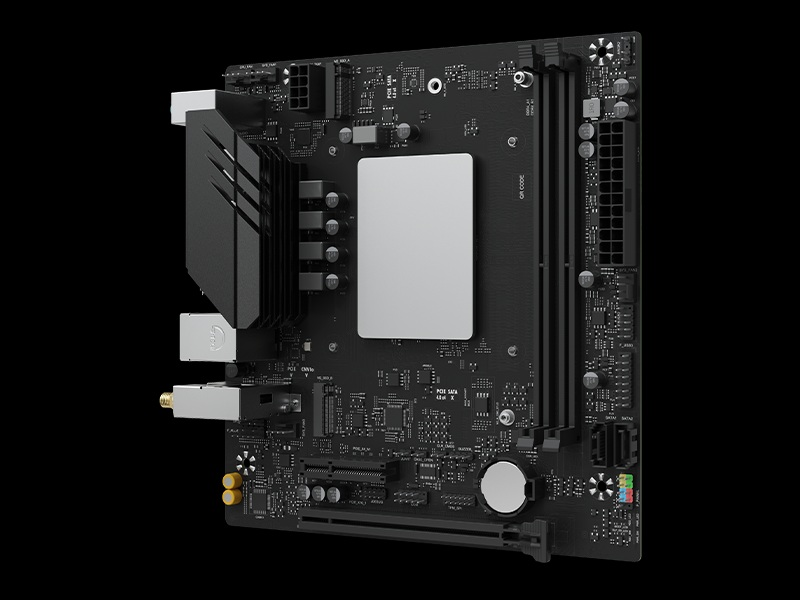

The motherboard design itself is also more capable than the price suggests. Both versions share the same PCB layout, with a 5 phase VRM, a single 8 pin CPU power connector, 2 DDR4 DIMM slots, 1 PCIe 5.0 x16 slot, and an additional PCIe x4 slot. Storage includes 2 M.2 Gen4 slots and 2 SATA III ports, while rear I O covers 4 USB 3.2 Gen2, 2 USB 3.2 Gen1, 6 USB 2.0, 3 channel HD audio, Wi Fi 6 with Bluetooth 5.3, and 1 GbE LAN. That is a fairly complete feature set for what is effectively a budget integrated platform rather than a conventional socketed desktop board.
There are also some practical design differences between the 2 models. The Core 7 version includes a dedicated I O plate and a VRM heatsink, while the lower end board drops the heatsink. Both include a pre installed integrated heat spreader over the CPU package and support standard LGA 1700 and 1800 coolers, which is an important usability advantage because it avoids locking buyers into unusual cooling hardware. The board itself measures 190 x 180 mm and fits within the mATX ecosystem, making it easier to build around than some more niche embedded or industrial solutions.
The real strategic advantage here is platform cost efficiency. These MoDT boards are not meant for users who want CPU upgrade freedom in 2 or 3 years. They are meant for builders who want solid enough performance today with as little spending as possible. DDR4 support strengthens that pitch even further because it lets users reuse older memory or build with cheaper RAM instead of paying the premium that still comes with DDR5 in some markets. That matters a lot in true budget focused gaming and home office systems.
There is of course a tradeoff. Once the CPU is soldered down, the platform is what it is. There is no drop in upgrade path, no swapping to a faster future chip, and no unlocking more value through later refreshes. But for many price sensitive buyers, especially those building around a mid range graphics card or a productivity first desktop, that limitation may be acceptable if the initial savings are large enough.
In that sense, Maxsun’s latest MoDT boards feel less like a novelty and more like a practical response to how expensive mainstream PC building has become. If the company can deliver stable firmware, decent thermals, and reliable availability at the announced price range, the MS MoDT 230H D4 WIFI and MS MoDT 205H D4 WIFI could end up being some of the most interesting low cost desktop platform options in their segment this year.
Would you choose a cheaper integrated MoDT board like this for a budget gaming build, or do you still prefer a traditional socketed CPU and motherboard combo for the upgrade path?
