
Fake DDR5 Memory Reports Raise New Red Flags as High Prices Create Fresh Openings for PC Hardware Scams
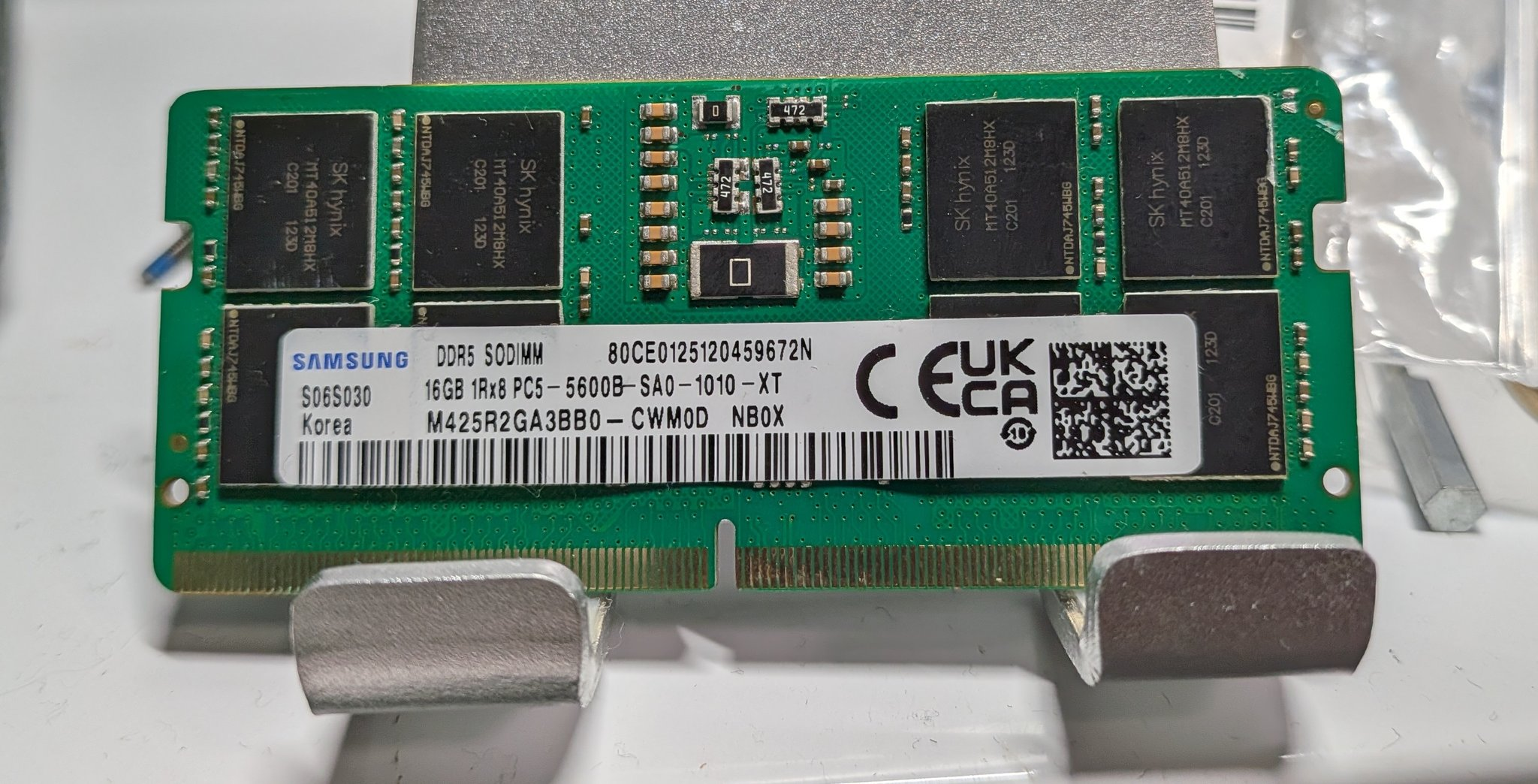
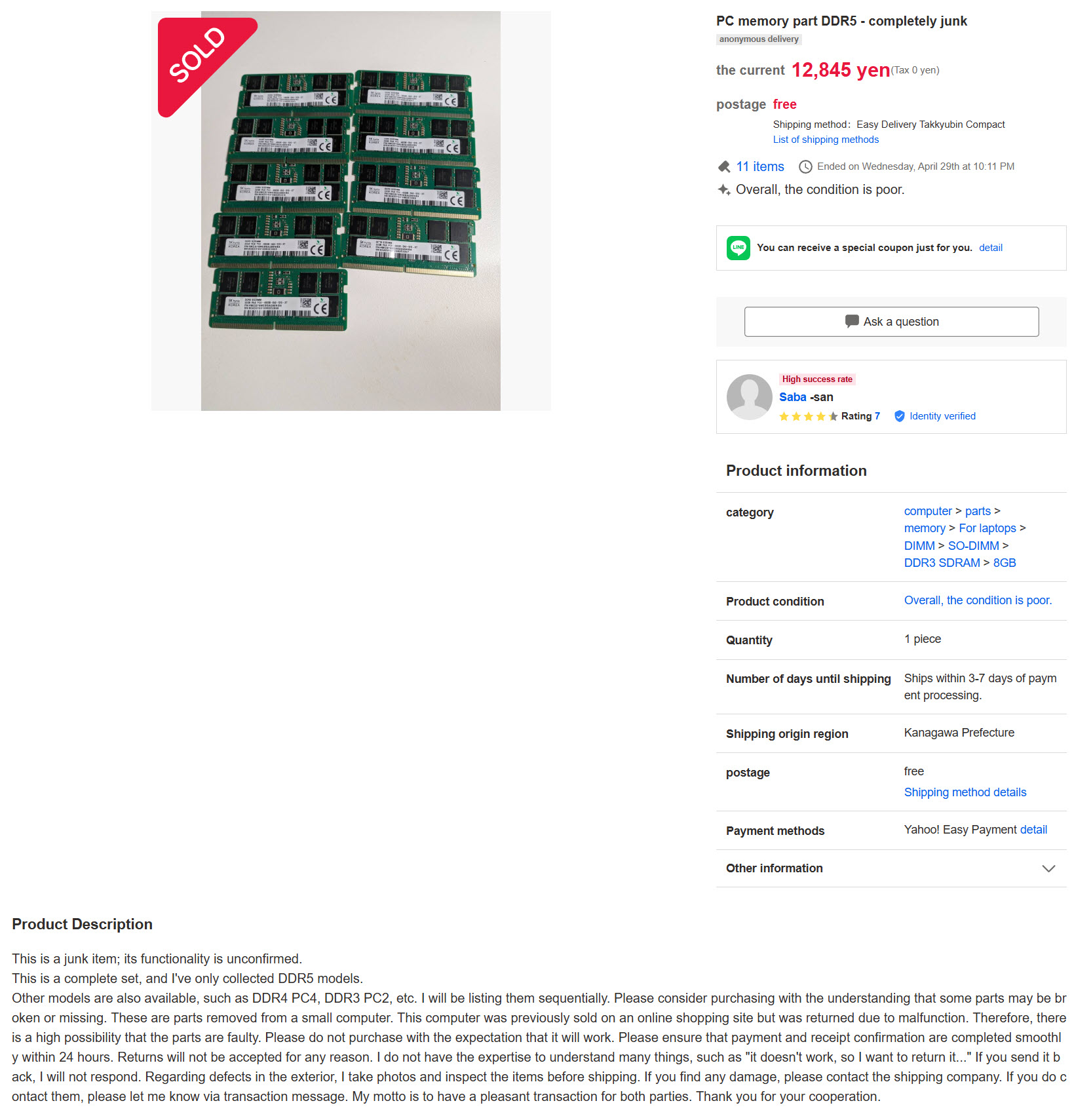
Reports from Japan are putting fresh attention on a worrying trend in the PC hardware market, with suspicious DDR5 memory modules now appearing in resale channels and at least 1 documented case showing what appears to be a counterfeit 16 GB DDR5 SO DIMM carrying mismatched branding and non functional internals. A Yahoo Japan auction listing for one such module described it as a complete junk item, listed it at 12,845 yen, and clearly stated that functionality was unconfirmed and returns would not be accepted.
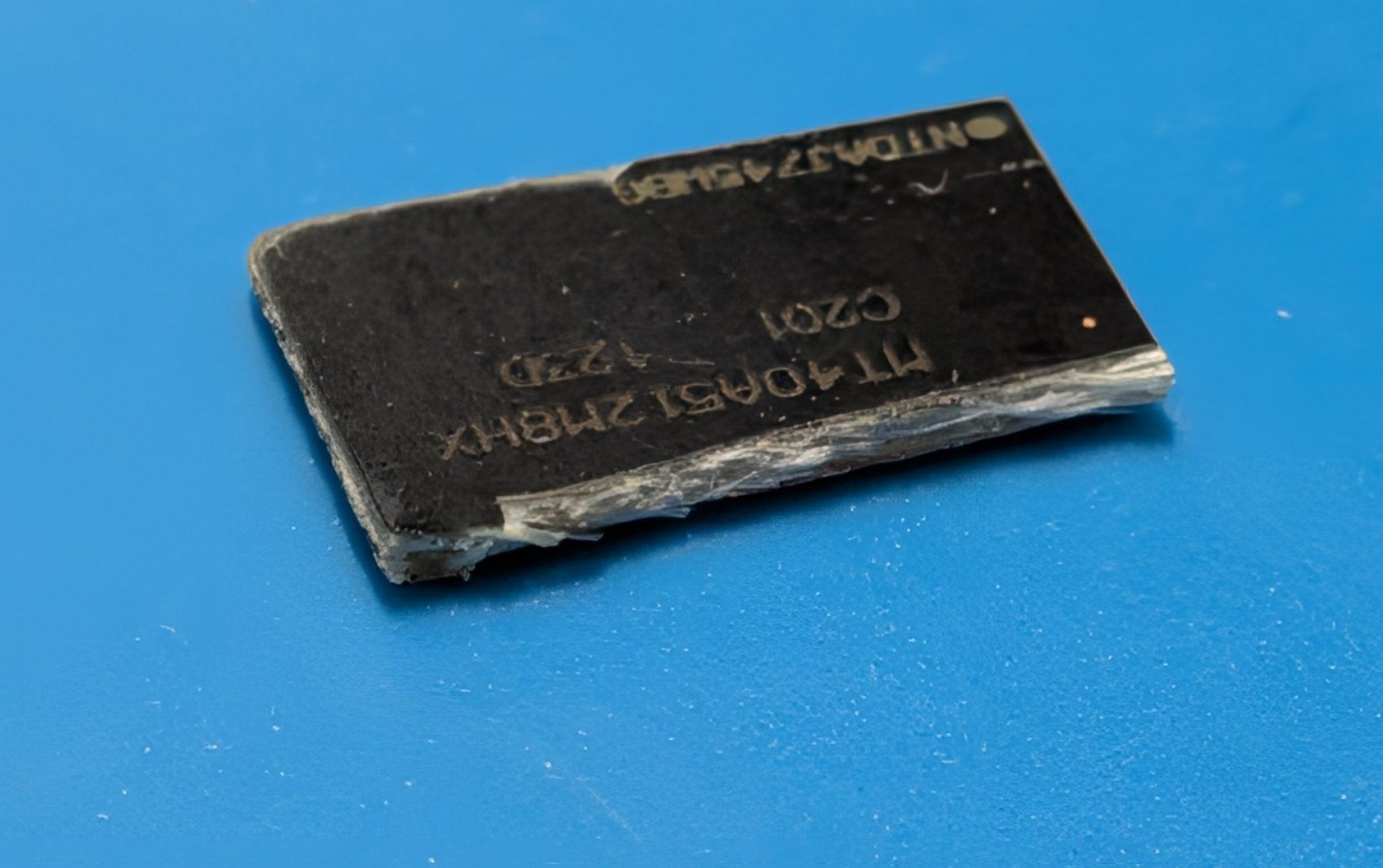
The most widely shared example comes from a Japanese user post linked here as X post by taki_pc_1115, where the module was presented as Samsung memory but showed SK hynix marked components under the label. Search snippets tied to that post describe the stick as a fake Samsung labeled 16 GB DDR5 SO DIMM and say the supposed memory chips were later found to be plastic pieces rather than working DRAM. Because that detail comes from user posted images and reporting built around them, it is best treated as a documented reported case rather than proof of a wider quantified market share of fakes.
注意喚起
— TAKI (@taki_pc_1115) May 10, 2026
DDR5のメモリの偽物が出回ってます。
一見すると普通のメモリですが、実際に搭載されているチップはただの基板、プラスチックの板です。取り外して切断して確認しました。
動作未確認のメモリーとかマジで購入する際は気をつけてください!
4090の悲劇を起こさないように! pic.twitter.com/gcKAjRDUei
The resale angle makes the situation especially concerning for ordinary buyers. The Yahoo Japan auction listing did not market the item as guaranteed working hardware. In fact, the description said it was completely untested junk, that the seller had gathered DDR5 models together from removed small PC parts, and that buyers should assume the possibility of breakage or missing parts before purchasing. That reduces the legal ambiguity of that specific listing, but it also highlights how easily questionable memory can circulate once it enters secondary channels under vague conditions.
A second post, linked here as X post by haru_frisk, helped amplify the story in the enthusiast community, adding to concerns that this is not just a one off curiosity. Even so, there is an important distinction to make. What is publicly visible right now supports the existence of counterfeit or highly suspicious DDR5 modules appearing in the market, but it does not yet establish how widespread the problem is across official retail channels. That distinction matters because panic buying and broad claims about all DDR5 sellers would go beyond the evidence currently on record.
https://t.co/6fBwfk6DJV
— 春脳。 (@haru_frisk) May 10, 2026
ちょっと前にオクでも売っていたね
見分け方は
各エッジが丸い PMICの形が違う 基板色が薄い とか https://t.co/7s8qLvXg3M
What makes the timing worse is the pricing backdrop. Rising memory prices have already made DRAM a more attractive target for scams, fraud, and tampering. Earlier this year, Corsair changed its Vengeance DDR5 packaging to make the modules more visible and harder to reseal, explicitly citing growing product authenticity concerns around increasingly valuable memory. That does not prove a direct connection to the Japanese case, but it does show that the broader memory market is already reacting to a higher fraud risk environment.
For buyers, the practical risk is obvious. Laptop DDR5 SO DIMMs are small, easy to relabel, and harder for casual shoppers to inspect closely before purchase. Desktop kits can be even trickier when large heat spreaders hide the ICs completely. That means suspicious details such as mismatched branding, unusual PCB finishing, odd gold finger appearance, rounded edges, missing documentation, or no return policy become much more important warning signs than usual. The Yahoo Japan listing itself is a reminder that some sellers will explicitly offload uncertain parts as junk, leaving the burden entirely on the buyer.
This story is less about one counterfeit stick and more about what happens when a hot hardware segment becomes expensive enough to attract opportunistic fraud. The current evidence supports a real warning for secondhand and gray market DDR5 purchases, especially in channels where authenticity is hard to verify and seller protections are weak. At the same time, buyers should avoid overstating the case. What is clearly documented right now is that fake or suspicious DDR5 modules are circulating, not that all DDR5 stock in mainstream retail has become compromised.
The safest takeaway is straightforward. If a DDR5 deal looks unusually cheap, comes from a seller with weak history, is marked as untested junk, or shows inconsistent branding, it deserves far more scrutiny than usual before any money changes hands.
Have you ever run into suspicious RAM, SSD, or GPU listings lately, or do you think most buyers still underestimate how common counterfeit PC hardware has become?
