
DRAM Makers Are Expanding, but Memory Supply Still May Not Catch Up for Years
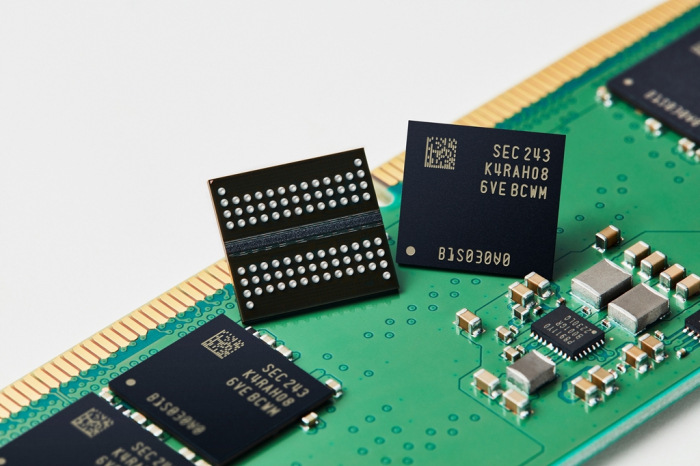
The global memory shortage is not easing any time soon, and the latest reporting suggests the industry is still heading into a prolonged imbalance between supply and demand. According to a recent Nikkei Asia report, cited by The Verge, DRAM makers are expected to meet only about 60% of global demand by the end of 2027, even as major suppliers continue expanding capacity.
That is the key problem facing the market right now. New fabs are being built, capacity is being added, and manufacturers are clearly investing for the long term, but most of that additional output will not arrive fast enough to solve the near term crunch. The Verge reports that the world’s biggest memory producers, including Samsung, SK hynix, and Micron, are adding production, yet almost none of that major new capacity will be online until 2027 or later, with only limited near term additions appearing in 2026.
The other structural issue is where the new supply is going. Rather than flowing evenly across the market, a growing share of advanced memory is being pulled into AI infrastructure, especially high bandwidth memory and other server focused products. That shift is leaving mainstream consumer segments such as PCs, smartphones, and gaming handhelds under more pressure, because manufacturers are prioritizing more profitable AI related demand over lower margin general purpose DRAM. The Verge says this prioritization is already contributing to higher costs and tighter availability across consumer electronics.
The numbers behind the shortfall are also concerning. The Verge reports, again citing Nikkei and Counterpoint Research, that manufacturers would need to grow annual production by around 12% in 2026 and 2027 to keep pace with demand, but planned output growth is only around 7.5%. That gap is large enough to keep the market strained even if every major supplier continues executing on its current expansion plans.
This is why the shortage is not just a fab count story. It is an allocation story, a profitability story, and an AI infrastructure story all at once. Even when new factories come online, a significant portion of fresh capacity may still be directed toward AI and data center customers that are willing to secure long term supply far in advance. That dynamic is one reason the pressure is being felt so strongly in retail and OEM channels, where buyers have less leverage than hyperscalers and major enterprise customers.
There are already signs that the effects are spreading well beyond enthusiast memory kits. The Verge has separately reported price pressure or disruption affecting products from desktops to phones, handhelds, and even future console planning, while companies like Framework have already raised prices because of memory costs. The same broader reporting also notes that some analysts and executives now believe shortages could extend beyond 2027, with one public warning suggesting constraints may last as long as 2030.
That leaves the market in an uncomfortable position. DRAM makers are not ignoring demand. They are building, expanding, and repositioning around the most profitable and fastest growing part of the business. But from the perspective of PC builders, smartphone vendors, and mainstream hardware buyers, those efforts may still fall short for years because the industry is solving for AI first, not affordability first. If current forecasts hold, memory pricing may stabilize before it truly becomes comfortable again, and even then it may not return to older baseline levels.
In other words, the industry is creating more production capacity, but not fast enough, and not necessarily for the segments that need relief most. That is why this shortage still looks less like a temporary spike and more like a multi year market reset.
Do you think the PC market will adapt to permanently higher memory prices, or will manufacturers be forced to rethink product design around tighter DRAM supply?
