
EmuDeck’s Playnix Packs Steam Machine Style Linux Gaming Into an Xbox Series S Inspired Shell
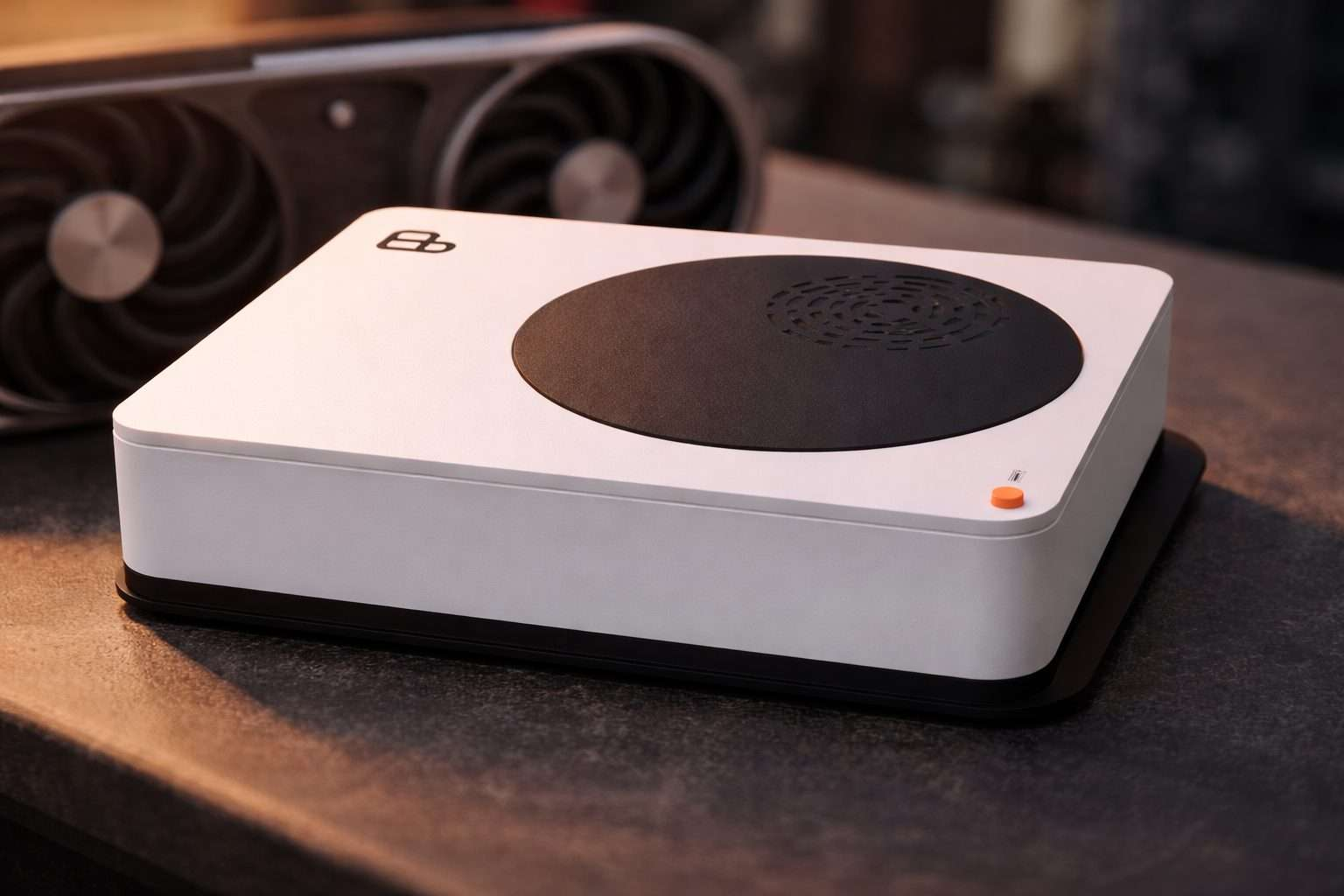
EmuDeck, best known for helping users bring emulation and broader Linux gaming workflows to handheld and desktop platforms, has now stepped into hardware with its own compact living room system called the Playnix. The project is essentially a small form factor gaming PC built around a console like experience, and its visual design clearly leans toward the Xbox Series S style, though the chassis is a bit larger and more aggressive in its dimensions. On the official Playnix product page, the system is positioned as a machine that delivers the power of a gaming PC with the simplicity of a console, running a custom Arch based Linux distribution aimed at plug and play couch gaming.
The hardware inside is not entry level. According to the official Playnix specifications, the current batch is built around an AMD Ryzen 5500 with 6 cores and a 65W TDP, paired with 16GB of DDR4 3200 dual channel memory and a Radeon 9060 XT with 16GB of GDDR6. Storage comes through a 512GB NVMe SSD, and the system also includes an additional free NVMe slot for expansion. Cooling is handled with Noctua and Thermalright fans, while power is supplied by a 600W Flex PSU, which gives the platform at least some room for future component changes inside its case constraints.
The case itself is one of the more interesting parts of the product. Playnix lists the console at roughly 320 x 247 x 64 mm, which keeps it well within compact territory while still allowing for desktop class parts. The company is transparent that the enclosure is 3D printed, saying that traditional mass produced plastic shell manufacturing would raise costs too far for a small company. That honesty matters because Playnix is not trying to present itself as a mass market platform holder console. It is much closer to a boutique Linux gaming PC designed to feel simpler and more approachable in the living room.
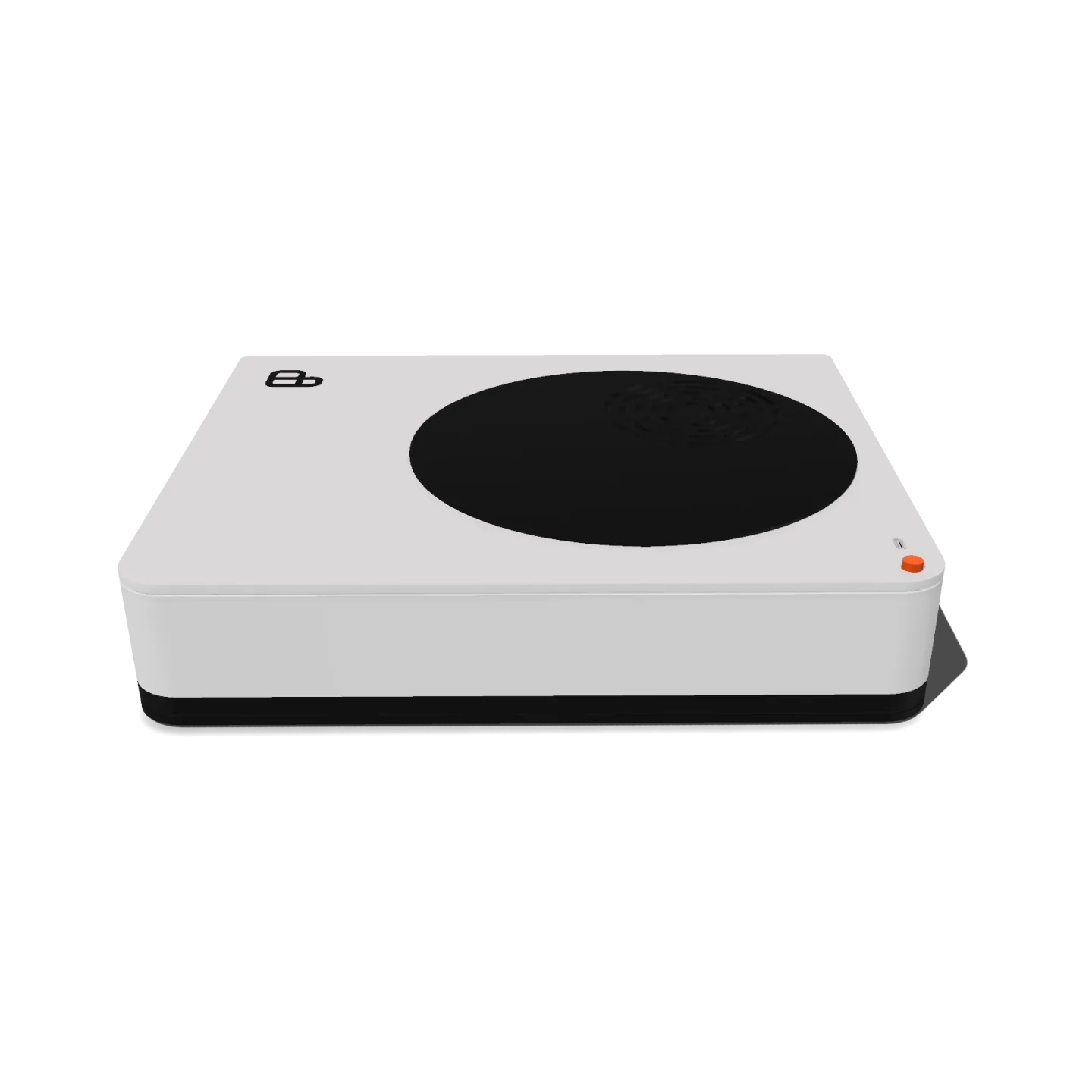

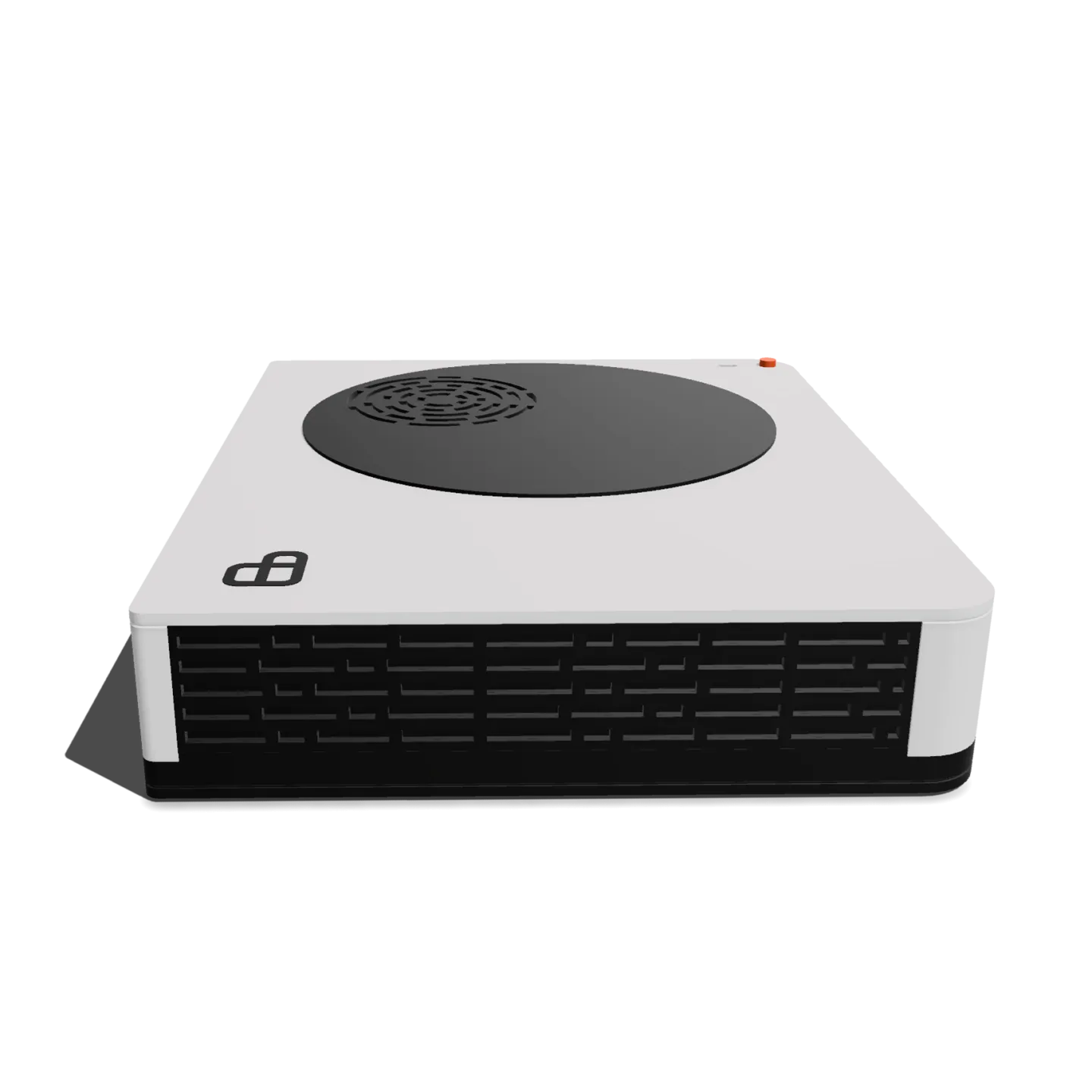
On the software side, Playnix ships with PlaynixOS, which the company describes as a custom Arch based Linux distro built around Steam Gaming Mode. The pitch is familiar but effective: access your existing Steam library, boot into a console like interface, and keep the openness of a PC underneath. The product page also states that users are free to replace the operating system with alternatives such as Windows, Bazzite, or SteamOS, which gives the machine a flexibility advantage over closed platforms.
Connectivity and I O are also strong for a machine of this size. The Playnix includes Wi Fi 6E, Bluetooth 5, Gigabit Ethernet, 2 USB 3.0 ports, 4 USB 2.0 ports, 1 USB C 3.1 port, 1 HDMI 2.1 output, and 1 DisplayPort 2.1 output. That is a practical spread for a couch system that still wants to behave like a proper PC when needed, whether for storage expansion, peripherals, or display flexibility on televisions and monitors.
Where the marketing gets more ambitious is in the performance positioning. Playnix says the console is more powerful than Xbox Series X or PlayStation 5 and on par with PlayStation 5 Pro, while also claiming that demanding games like Cyberpunk 2077 can hit 4K 60 FPS using high settings with FSR or XeSS Quality presets. Those are notable claims, but they should still be read as company performance targets rather than independently verified cross platform benchmarks. The same is true of broader comparisons to a future Steam Machine concept. What is clearly true is that the hardware is much closer to a mid range gaming PC than to a handheld class system, and that gives it a strong baseline for Linux living room gaming.
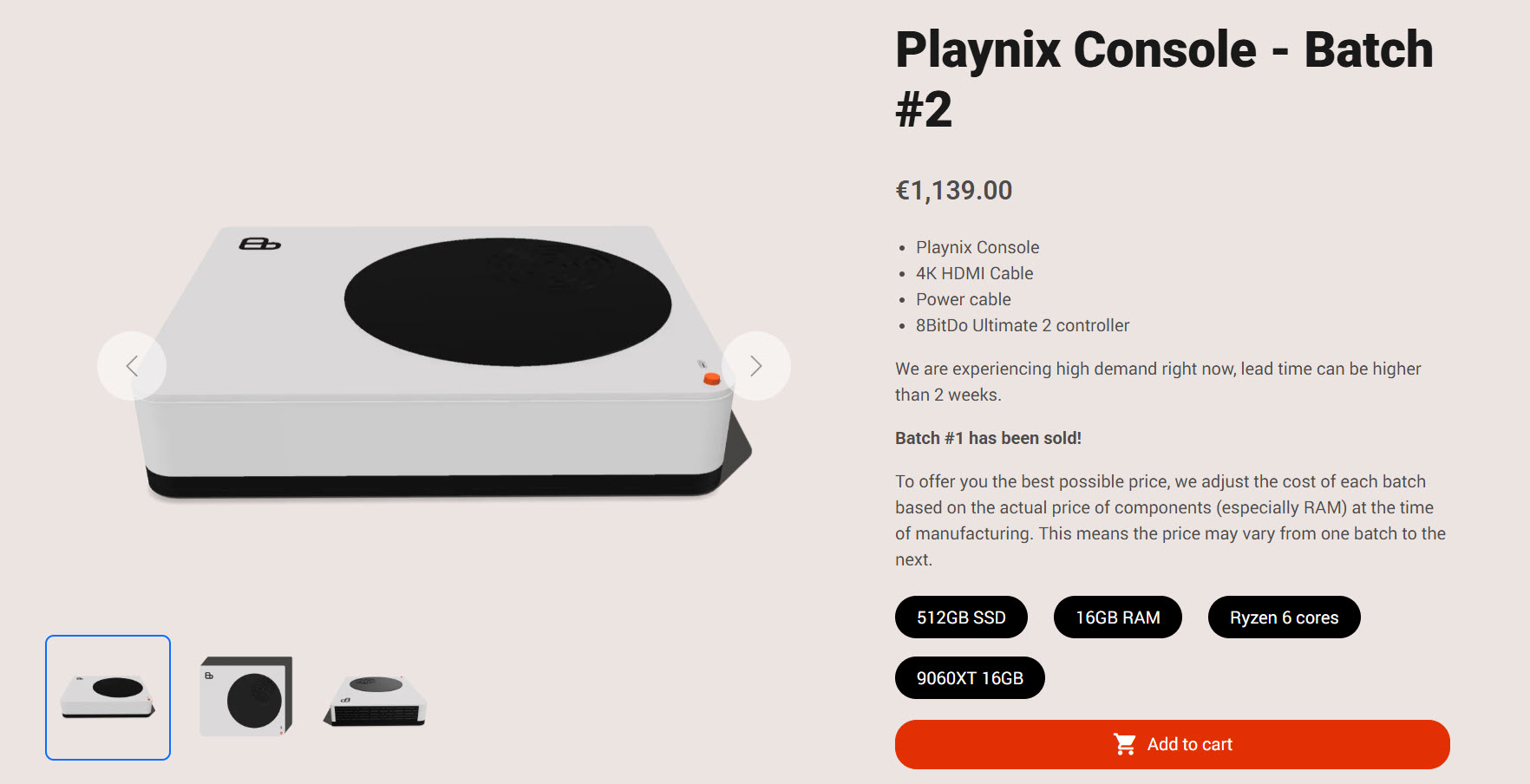
The package is also fairly complete. The official product listing says buyers get the Playnix Console, a 4K HDMI cable, a power cable, and an 8BitDo Ultimate 2 controller. The current listed price for Batch #3 is €1,179, while the site says Batch #1 and Batch #2 have already sold out and that lead times can exceed 3 weeks due to high demand. The company also notes that pricing may shift from batch to batch based on component costs, especially RAM, which is a practical reminder of how volatile the current PC hardware market still is.
The broader significance of Playnix is less about whether it literally beats Valve at its own game and more about what it represents. Valve proved there is real demand for Linux based gaming hardware that minimizes friction. EmuDeck and Playnix are taking that idea and pushing it into a compact desktop format with stronger dedicated graphics, upgradeable parts, and a more traditional PC performance envelope. For enthusiasts who want a console shaped Linux machine without waiting for a formal new Steam Machine revival, this is one of the more interesting attempts currently on the table.
Would you buy a Linux gaming console like Playnix for the living room, or would you still rather build a small form factor Windows PC yourself?
