
Jensen Huang Rejects Vera Rubin Delay Claims as Japan Unveils 27,500 GPU AI Factory
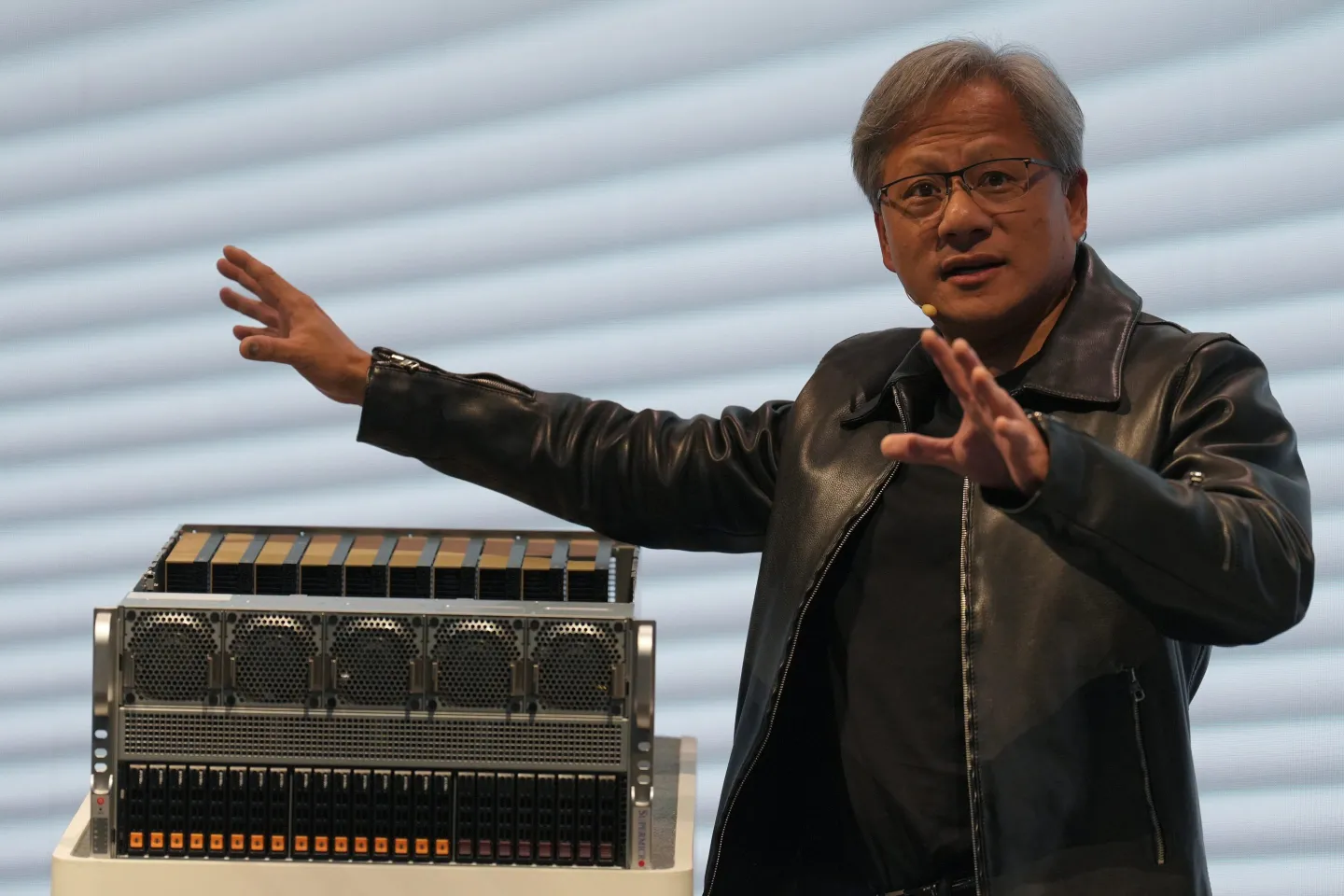
NVIDIA CEO Jensen Huang has firmly rejected reports suggesting that the Vera Rubin platform is facing production delays, stating during his visit to Japan that the rumors are not true and that the architecture is already entering large scale manufacturing. Speaking to the press, Huang said that Vera Rubin is already in production and that significant production volumes are coming. His comments reinforce NVIDIA’s public roadmap, which states that the platform is ramping into full production, with production shipments scheduled to begin this fall. This also supports previous coverage of the Vera Rubin rollout, which found that the confirmed platform schedule remained intact despite market speculation.
The speculation intensified following reports of possible technical challenges involving NVIDIA’s future Oberon NVL144 and Kyber NVL576 rack configurations. Some reports also questioned whether the Rubin Ultra generation would retain its proposed 4 reticle design or move toward a less complex 2 reticle configuration. However, NVIDIA has not publicly confirmed those changes, and Huang’s comments specifically indicate that the core Vera Rubin platform remains on schedule. While future Rubin Ultra rack configurations could still evolve during development, those reports should remain separate from the confirmed production status of Vera Rubin NVL72.
Huang’s Japan visit also delivered one of NVIDIA’s largest national infrastructure announcements to date. Through an official NVIDIA announcement, the company confirmed that it is working with Noetra Corp. to develop what it describes as the world’s first national AI infrastructure dedicated to physical AI. The facility will contain 13,750 NVIDIA Vera CPUs and 27,500 Rubin GPUs, delivering 140 MW of data center capacity through the NVIDIA DSX platform. It will use Vera Rubin NVL72 systems connected through Spectrum X Ethernet networking, BlueField DPUs, and NVIDIA’s wider software ecosystem.
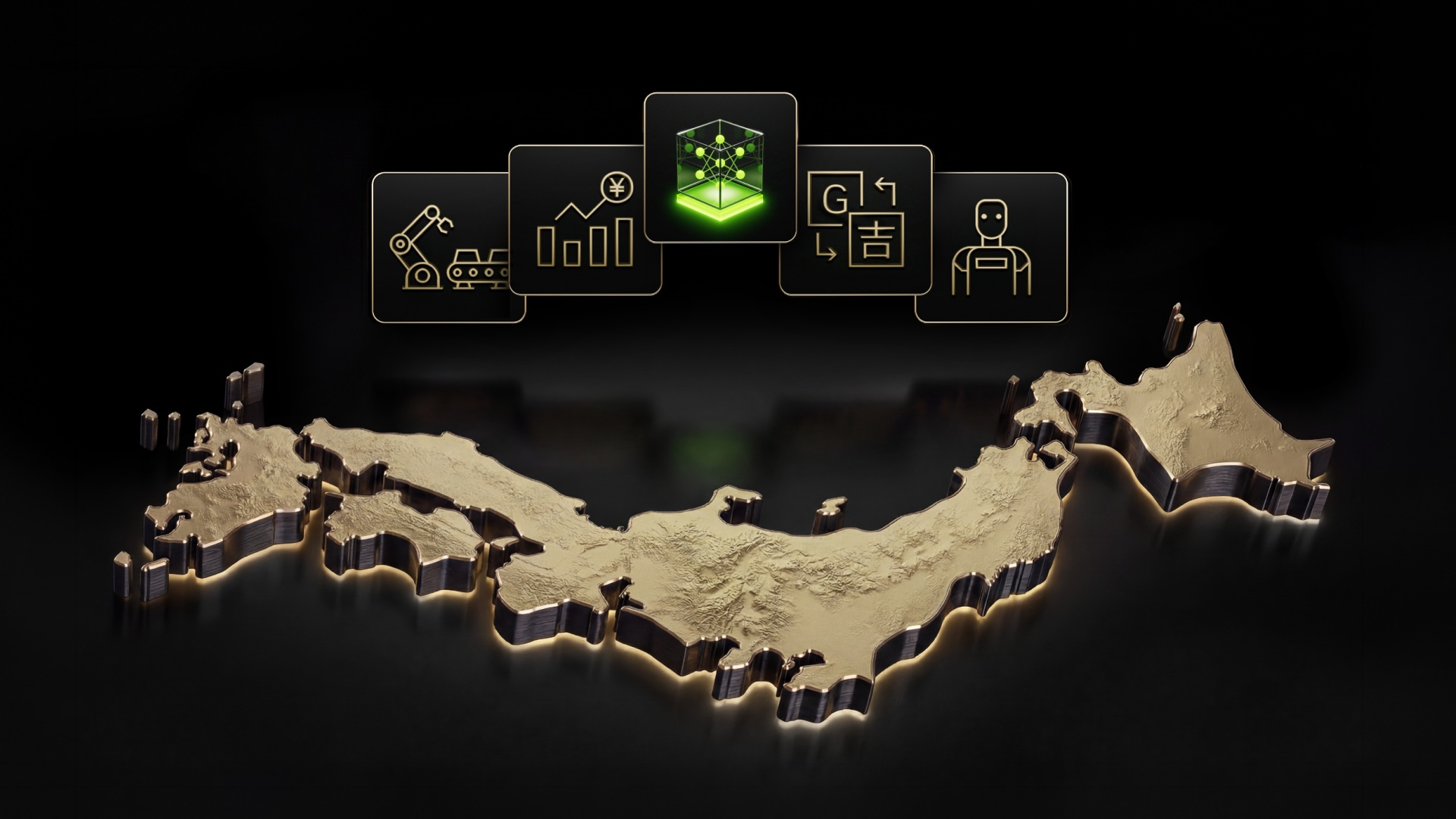
The infrastructure will support Japan’s FRONTia Project, a national initiative focused on developing multimodal foundation models for robotics and physical AI. These models are expected to support AI agents, digital twins, industrial robots, intelligent manufacturing systems, logistics, healthcare, and telecommunications. Noetra plans to make pretrained model weights available to domestic developers and enterprises alongside NVIDIA technologies including Nemotron, Cosmos, Isaac GR00T, and NeMo. Japan’s AI Robotics Strategy aims to capture more than 30% of the global AI robotics market by 2040, representing an estimated opportunity of 133 billion USD.
"Japan invented modern manufacturing. Now, it is building the AI factories that will power the next industrial revolution."
— Jensen Huang
Japan is becoming an important region for NVIDIA’s physical AI strategy because of its established manufacturing, automation, and robotics industries. Companies across the country are already adopting NVIDIA robotics platforms, while the latest Jetson Thor T3000 and T2000 modules are expanding access to Blackwell based AI computing for humanoid robots, autonomous machines, industrial systems, and visual AI agents.
Huang also used the visit to reinforce his position that the AI infrastructure cycle remains in its early stages. In comments shared by The Manila Times, he compared AI with major technology cycles that typically develop over periods of 10 to 15 years before reaching maturity. Huang believes the current AI cycle is still near its beginning and argued that demand may eventually stabilize but is unlikely to reverse completely.
Nvidia CEO says 'now is the time for Japan AI'
— The Manila Times (@TheManilaTimes) July 16, 2026
Nvidia CEO Jensen Huang on Thursday (July 16) pledged to help Japan build its AI-powered future, dubbing it “the time for Japan AI”. Earlier in the day Nvidia announced that it was partnering with Japanese companies including Fanuc… pic.twitter.com/m7OMHDcCiv
Additional remarks shared by Evan on X addressed concerns surrounding a possible AI investment bubble. Huang said the industry remains far from that stage and argued that companies and governments will need to continue building AI infrastructure for at least another decade. NVIDIA’s position is that agentic AI represents only the current stage of development, with physical AI, autonomous systems, advanced robotics, and future intelligent infrastructure expected to generate additional computing demand.
Jensen Huang’s tour of Asia continues
— Evan (@StockMKTNewz) July 15, 2026
Jensen is now in Japan 🇯🇵 … expect to see a bunch of Nvidia $NVDA and Japanese company headlines coming this week pic.twitter.com/HCHiZukCLj
Huang was also asked whether Japanese semiconductor manufacturer Rapidus could become an NVIDIA partner. He did not confirm any planned collaboration but said growing AI demand should benefit the wider semiconductor industry and that NVIDIA is watching Rapidus’ progress. The response leaves the possibility open without establishing any formal relationship.
Huang’s comments do not eliminate every question surrounding future Rubin Ultra configurations, but they provide a clear distinction between unconfirmed rack design reports and the production status of the current Vera Rubin platform. NVIDIA is already coordinating a global ecosystem covering processors, servers, networking, memory, storage, software, power, and cooling, making its execution dependent on far more than GPU availability alone.
Japan’s project also demonstrates how NVIDIA is positioning itself beyond individual accelerator sales. The company is supplying the architecture for national intelligence infrastructure, combining compute, networking, software, robotics models, and development tools within one platform. For the gaming and creative industries, the immediate impact may be indirect, but physical AI, simulation, digital humans, automated testing, procedural content production, and intelligent development tools could eventually reshape how interactive experiences are created.
Do you think Japan’s Vera Rubin infrastructure will accelerate the global physical AI market, or will national AI projects become too dependent on NVIDIA’s technology ecosystem?
