
NVIDIA’s Vera Rubin Timeline Looks Intact as July Customer Shipments and 2H 2026 Partner Availability Stay on Track
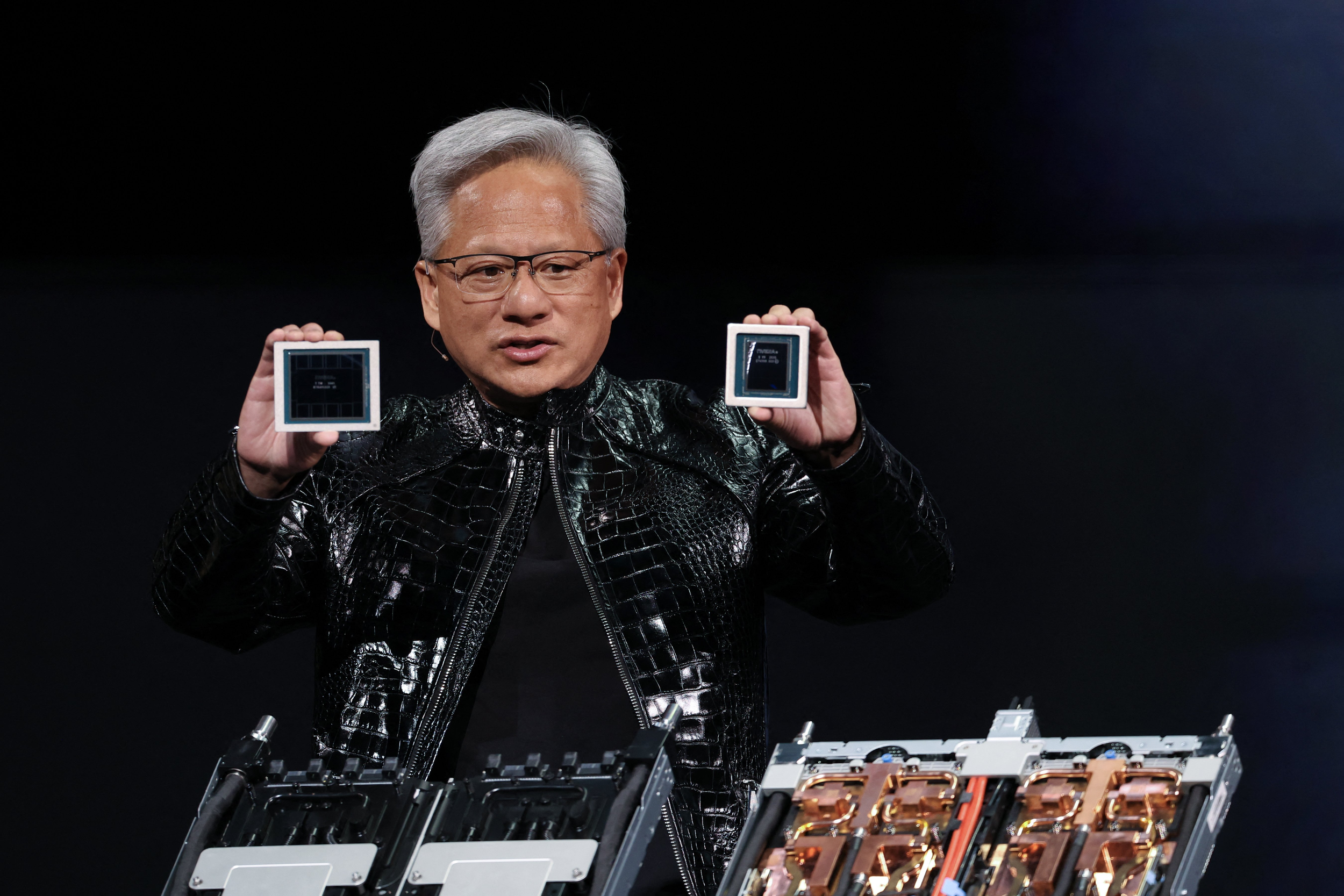
NVIDIA’s Vera Rubin rollout appears to be holding its planned trajectory despite recent market chatter about possible design or specification changes. The strongest confirmed baseline remains NVIDIA’s own March announcement, which said the Vera Rubin platform’s 7 new chips were already “in full production” and that Vera Rubin based products would be available from partners starting in the second half of 2026. NVIDIA also named Amazon Web Services, Google Cloud, Microsoft Azure, and Oracle Cloud Infrastructure among the leading cloud providers expected to offer Vera Rubin based products, alongside partners such as CoreWeave, Crusoe, Lambda, Nebius, Nscale, and Together AI.
A new report from Economic Daily adds more near term color to that roadmap, saying NVIDIA has finalized the production version with its ODM partners, will enter trial production in June, and plans to begin shipments in July to major North American cloud customers including Microsoft, Google, Amazon, Meta, and Oracle. The same report says Foxconn, Quanta, and Wistron are among the manufacturing partners positioned to benefit as the broader opportunity ramps in the second half of 2026.
That July timing fits the broader public roadmap NVIDIA has already laid out. NVIDIA’s own press release says partner products begin in the second half of this year, while coverage from The Verge earlier this year also reported that Rubin based products and services would start becoming available from partners in the second half of 2026 after the platform’s earlier than expected reveal at CES 2026. In other words, the new supply chain report sharpens the schedule, but it does not fundamentally change NVIDIA’s previously disclosed launch window.
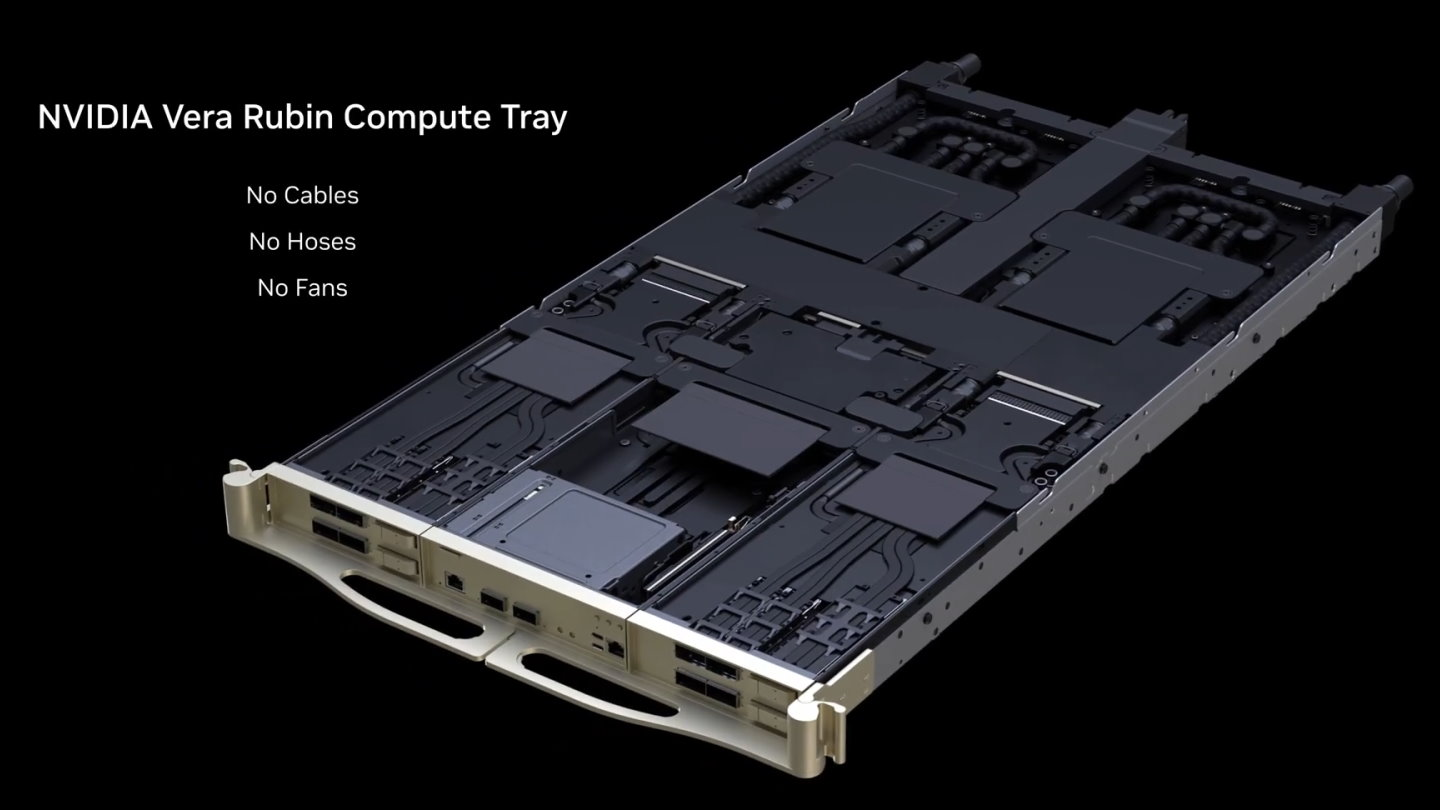
What is confirmed publicly about Vera Rubin itself is already significant. NVIDIA says the platform combines the Vera CPU, Rubin GPU, NVLink 6 switch, ConnectX 9 SuperNIC, BlueField 4 DPU, Spectrum 6 Ethernet switch, and an integrated Groq 3 LPU into a rack scale AI system aimed at pretraining, post training, test time scaling, and agentic inference. NVIDIA also says Vera Rubin NVL72 is designed for hyperscale AI factories and that the platform is supported by a very broad ecosystem of more than 80 MGX partners and over 200 data center infrastructure partners.
What is not confirmed in official NVIDIA materials is the idea that rumored design concerns were formally “squashed.” NVIDIA’s published statements establish that Vera Rubin remains on its announced timeline and that the company is publicly presenting the platform as production ready for partner availability in 2H 2026. But the claims about rumors being disproven, about exact rack pricing, or about specific manufacturing details beyond what NVIDIA and the cited industry report say remain unverified in the public record available here. That distinction matters, especially with a product this strategically important to the AI infrastructure market.
From an industry standpoint, the bigger takeaway is that NVIDIA is still signaling confidence in Rubin as the next major AI platform transition after Blackwell. If July customer shipments do begin as reported, that would mark the start of the real field deployment phase for one of the company’s most important rack scale launches yet. And if the second half availability window holds across the named cloud and system partners, Vera Rubin will quickly become one of the defining products in the next round of hyperscale AI buildouts.
What do you think, will Vera Rubin arrive smoothly enough to keep NVIDIA’s AI lead widening, or is the real pressure now on the supply chain to execute at rack scale?
