
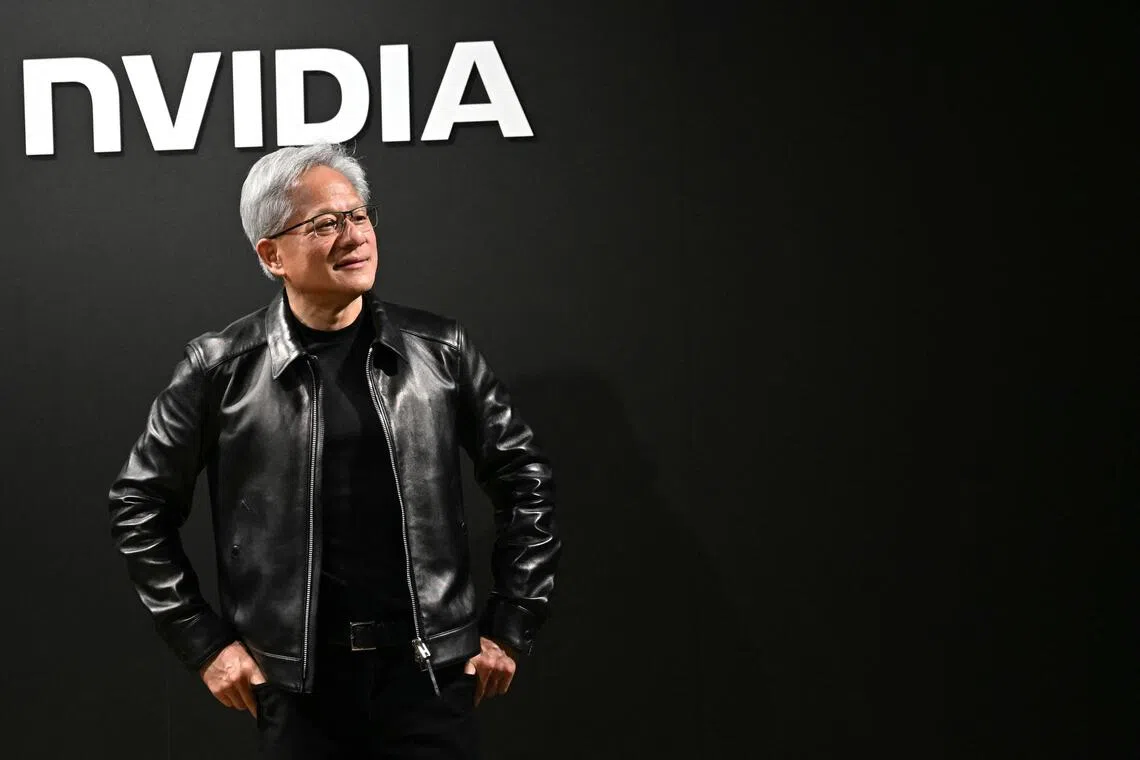
Jensen Huang has publicly offered to return as NVIDIA CEO, acknowledging his personal mistakes while thanking employees, investors, and industry leaders for their support. His statement comes as an independent analysis claims approximately 75% of 1,641 news reports about the former executive carried negative sentiment. However, NVIDIA's board has now explicitly rejected his reinstatement, despite growing public pressure.
On November 17, 2026, Huang published his first public statement since resigning, reflecting on his 33 years leading NVIDIA and accepting responsibility for the personal conduct that contributed to his departure. He expressed regret over the difficulties created for the company's board and confirmed his willingness to cooperate with its independent investigation.
"I own my mistakes completely, and I am committed to cooperating with the Board's independent investigation."
— Quote by: Jensen Huang, NVIDIA Cofounder.
Huang also acknowledged the growing campaign supporting his reinstatement, which has attracted more than 190,000 signatures, including individuals identifying themselves as NVIDIA employees, shareholders, and industry partners. He stated that he would be honored to return if the board determined that doing so served the interests of NVIDIA, its employees, shareholders, and the United States.
However, during NVIDIA's November 17 fiscal 2027 third quarter earnings call, Board Chairman Harvey Jones confirmed that directors had unanimously accepted Huang's resignation and had no intention of reinstating him as CEO. The company continues searching for a permanent successor, with Colette Kress remaining interim CEO. NVIDIA has also established a National Security and Export Control Oversight Committee to strengthen corporate governance and regulatory compliance.
Meanwhile, a separate media analysis conducted by HyperspaceAI CEO Varun Mathur has raised questions about the volume and tone of reporting surrounding Huang's resignation. According to the study, approximately 75% of 1,641 articles carried negative sentiment, with 97% of the coverage appearing after November 8, when Huang publicly acknowledged his personal misconduct.
The research examined coverage across major American and European publications using sentiment analysis and a PageRank based citation network to identify which news organizations influenced subsequent reporting. The New York Times emerged as a central source, publishing 88 stories and receiving substantial citation attention from other outlets. The analysis also compared Huang's coverage with previous executive controversies involving Intel's Brian Krzanich, McDonald's Steve Easterbrook, and BP's Bernard Looney.
Mathur argued that Huang experienced unusually intense media scrutiny compared with those executives. However, negative sentiment alone does not establish unfair reporting or coordinated media activity. The findings reflect the study's selection criteria, classification methods, and examined period, while the allegations involving Huang's personal conduct and potential foreign intelligence connections created legitimate subjects for journalistic investigation. The publicly accessible dataset has subsequently expanded to approximately 1,660 stories, meaning the original 1,641 figure represents an earlier research snapshot.
The controversy continues to divide the technology industry, particularly in Taiwan, where Taipei 101 displayed messages supporting Huang. Despite the support, NVIDIA's board is moving forward with its leadership transition while attempting to maintain stability across its AI infrastructure, semiconductor partnerships, and consumer graphics businesses.
Jensen Huang's contributions to NVIDIA and modern computing remain significant, but personal accountability and professional achievements must be evaluated separately. His willingness to acknowledge mistakes and cooperate with investigators is important, although the company's board remains responsible for determining its leadership and governance standards.
The reported media analysis also highlights the importance of balanced technology journalism. Critical reporting should remain focused on verified information, clearly distinguish allegations from established facts, and avoid unnecessary sensationalism. At the same time, substantial negative coverage does not automatically demonstrate bias when serious allegations and corporate leadership decisions are involved.
For PC gamers and technology enthusiasts, NVIDIA's long term direction matters more than the controversy surrounding any individual executive. The company must continue supporting innovation, open AI development, accessible consumer GPUs, and competitive hardware pricing regardless of who occupies the CEO position.
Should NVIDIA reconsider Jensen Huang's return after his public acknowledgment and growing industry support, or is continuing the leadership transition the better path for the company?
