
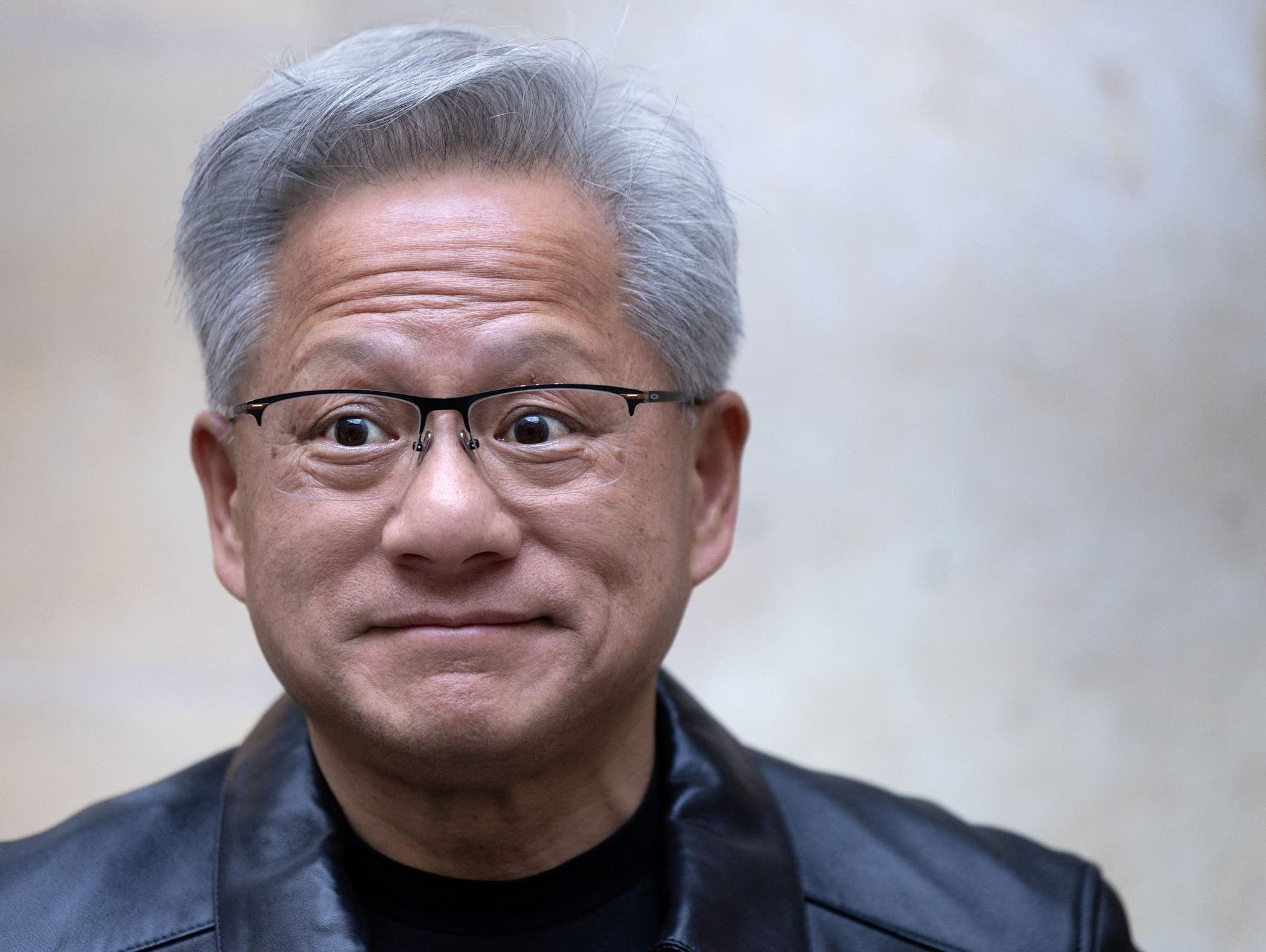
Jensen Huang could return as NVIDIA CEO just days after his resignation, as more than 160,000 supporters, major shareholders, and Silicon Valley executives pressure the company to reconsider its leadership transition. The growing campaign also raises questions about NVIDIA's commitment to open AI models, with Huang's departure potentially benefiting companies focused on proprietary AI services, including Anthropic and OpenAI.
According to the Financial Times, Huang has discussed a potential return with close associates, while influential technology executives are reportedly organizing a campaign to lobby NVIDIA's board and seek support from the White House. The effort follows Huang's resignation after 33 years on November 12, 2026, which left Chief Financial Officer Colette Kress serving as interim CEO.
The campaign has gained considerable momentum through the Stand with Jensen petition, which had exceeded 156,000 signatures by November 15 and surpassed 160,000 by November 16. Supporters reportedly include Elon Musk, Epic Games CEO Tim Sweeney, Y Combinator CEO Garry Tan, and thousands of individuals identifying themselves as NVIDIA employees. However, the petition's affiliations are self reported, and its signature totals have not been independently authenticated.
Institutional investors are also asking NVIDIA to avoid rushing into a permanent leadership appointment. According to CNBC, Altimeter Capital CEO Brad Gerstner and Atreides Management's Gavin Baker submitted a joint letter urging the board to consider every available option, including Huang's potential reinstatement. Their investment firms held approximately 2.13 billion$ in NVIDIA shares combined, based on holdings disclosed as of June 30, 2026. Although both investors expressed confidence in Colette Kress, they argued that the board should complete its review of the circumstances surrounding Huang's departure before making a permanent decision.
The leadership controversy could also influence NVIDIA's growing investment in open AI models. Under Huang, the company expanded its Nemotron family, supported the development of open weight models, and invested in technologies allowing developers to operate AI applications on their own hardware. NVIDIA's strategy has helped strengthen the local AI ecosystem, providing alternatives to subscription based cloud services and allowing PC owners to maintain greater control over their computing resources.
According to additional Financial Times reporting, Huang's departure could weaken NVIDIA's financial and strategic support for open AI initiatives, potentially benefiting proprietary AI developers such as Anthropic and OpenAI. However, claims that Anthropic deliberately sought Huang's removal or is organizing a campaign to eliminate open AI models remain unsubstantiated. In fact, Anthropic CEO Dario Amodei explicitly stated in the company's official position on open weight AI that it does not support a general ban on such models, although it advocates stronger export restrictions and safety testing.
For developers and PC enthusiasts, NVIDIA's commitment to projects such as Nemotron remains particularly important. Open weight models allow users to run AI locally through software such as Ollama and llama.cpp, reducing dependence on remote processing and recurring subscriptions. While NVIDIA's business strategy could evolve under new leadership, there is no confirmed decision to reduce its open model investments or discontinue existing initiatives.
Despite the growing support, Huang's return remains uncertain. NVIDIA's independent investigation is ongoing, while US Treasury Secretary Scott Bessent has publicly advocated bringing in an external CEO. The board has not announced plans to reinstate Huang, and its next major financial update is scheduled for November 17, 2026.
NVIDIA's leadership crisis extends beyond Jensen Huang's potential return. The company's influence over GPUs, AI development, and computing infrastructure means its strategic decisions can affect millions of developers and PC owners. Huang's support for open weight AI has helped make advanced models more accessible outside expensive cloud platforms, and that progress should continue regardless of who leads NVIDIA.
For consumers, open AI models represent an important opportunity to maintain ownership of their computing resources, protect sensitive data, and avoid dependence on subscription services. Any shift toward restricting local AI or concentrating computing power among large corporations would be a concerning development. NVIDIA must continue supporting open development, affordable GPU access, and its gaming customers rather than allowing corporate leadership disputes to dictate the future of personal computing.
Should NVIDIA bring Jensen Huang back, and do you believe his return is important for protecting open AI models and local AI development?
