
Intel Heads to NVIDIA GTC as Agentic AI Pushes CPUs Back Into the Spotlight

Intel is set to appear at NVIDIA GTC 2026 at a strategically important moment for the AI infrastructure market, as the industry increasingly recognizes that GPUs are not the only constraint in next generation AI systems. NVIDIA’s official GTC event runs from March 16 to March 19, 2026, and this year’s conference is centered on themes such as agentic AI, inference, and AI factories, all of which raise the importance of the CPU layer inside modern AI racks.
What gives Intel’s presence extra weight is its previously announced partnership with NVIDIA. In September 2025, NVIDIA and Intel said they would work together on AI infrastructure and personal computing products, with Intel set to design and manufacture custom data center and client CPUs with NVIDIA NVLink, while NVIDIA also took a 5 billion dollar stake in Intel. That agreement already established the framework for deeper CPU level collaboration, so any GTC update now carries much more significance than a routine partner appearance.
Intel at @NVIDIAGTC? Yep!
— Intel Business (@IntelBusiness) March 13, 2026
This is just the next step in our partnership as we combine strengths to unlock new innovations, efficiencies, and opportunities for partners building AI at scale.https://t.co/iq1PCZyDQt pic.twitter.com/QDdmsyEW99
The timing also lines up with a broader shift in the AI market. Reuters reports that NVIDIA is expected to use GTC to emphasize inference, AI factories, networking, and agentic AI, while also revisiting the role of CPUs for orchestrating these more complex workloads. That matters because as AI systems move beyond raw training and into agent based execution, coordination overhead, task routing, memory management, and control plane work all become more CPU intensive. In simple terms, the more agentic the workload becomes, the harder it is to pretend CPUs are just background components.
That does not mean Intel has confirmed a new Xeon product reveal for GTC, and it is important not to overstate what is currently public. The partnership is real, the event is real, and the CPU bottleneck discussion is real. But any claim that Intel will definitely unveil a specific Xeon inside NVIDIA rack configuration at GTC remains speculative unless NVIDIA or Intel formally announces it on stage or in official materials. Right now, the strongest confirmed point is that the two companies already have an active partnership around NVLink enabled CPU infrastructure.
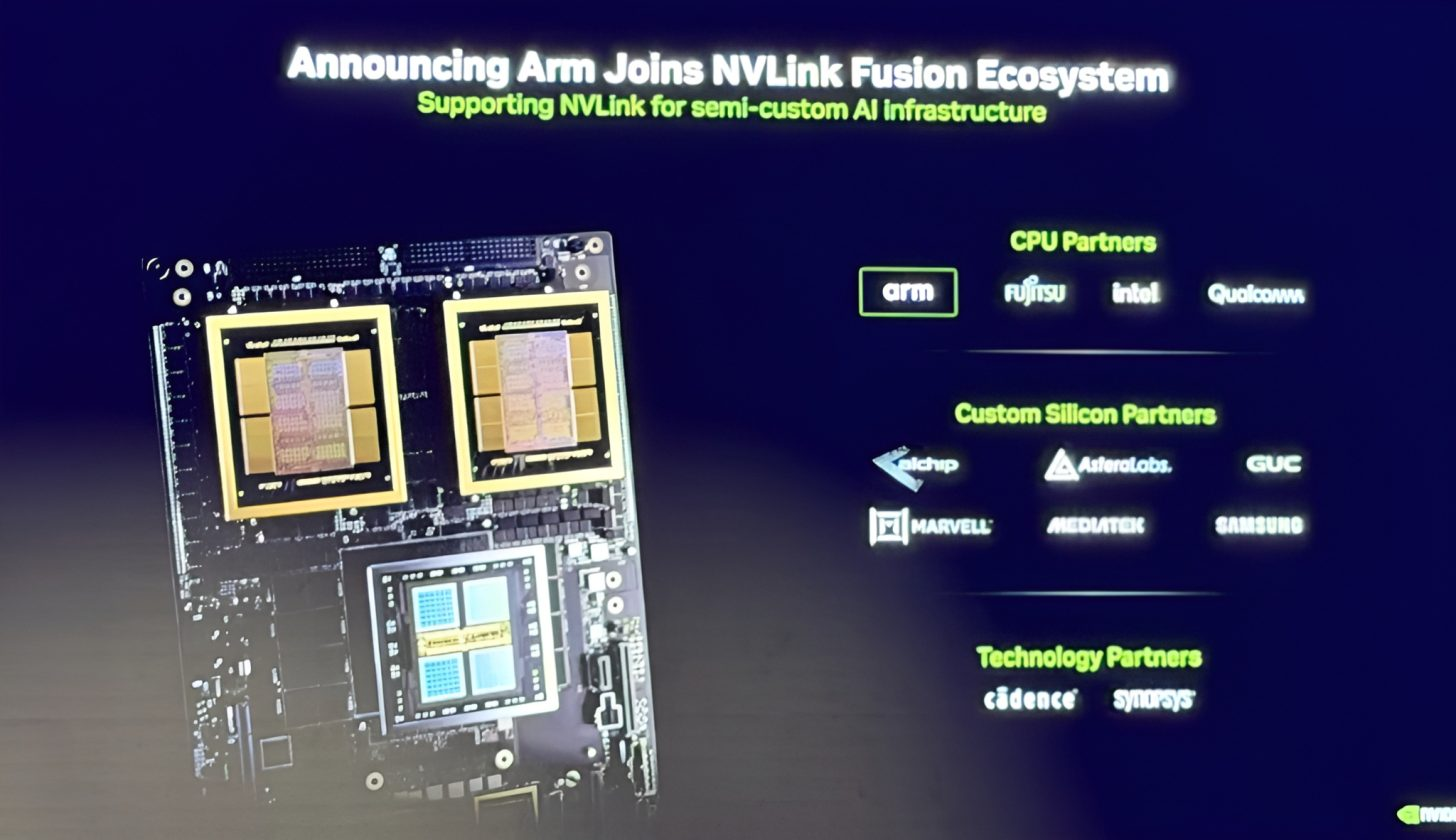
There is also a second layer to this story. Recent reporting suggests there has been market chatter around an eventual x86 CPU collaboration between Intel and NVIDIA for broader platforms, but even there, expectations have been tempered. Coverage from the past few days notes that Intel has pushed back against the idea that such products are about to suddenly appear in finished form, with the more realistic view being that any deeper client side product roadmap is still years away. That makes enterprise and rack level infrastructure the much more plausible focus for GTC 2026.
Intel itself has also been under pressure on the supply side. Reuters reported in January that Intel’s data center business was benefiting from rising AI related demand, which reinforces the idea that CPUs are becoming more strategically valuable again inside AI deployments. If NVIDIA wants to scale systems for increasingly agent driven inference and orchestration, it needs a stronger CPU story around those racks, and Intel is one of the most obvious x86 partners to help deliver that.
For Intel, this is the perfect window to reposition Xeon as more than just a traditional server processor. If the company can convincingly tie its CPUs to NVIDIA’s next phase of AI infrastructure, then the narrative shifts from Intel trying to catch up in AI accelerators to Intel becoming a critical enabler of AI system architecture. That would not solve all of Intel’s competitive challenges, but it would strengthen the company’s relevance in one of the fastest growing compute segments in the market. This is an inference based on the confirmed NVIDIA Intel partnership and the growing emphasis on agentic AI infrastructure.
For now, Intel has teased its GTC presence through this Intel Business post, but the real question is how much substance the company and NVIDIA are ready to show publicly. If GTC delivers a concrete CPU infrastructure roadmap, Intel could walk away as one of the event’s more important supporting players. If not, the collaboration story will remain promising, but still incomplete.
What do you think, will agentic AI really push CPUs back into the center of the AI data center conversation, or will GPUs continue to dominate the narrative no matter how complex these systems get?
