
Elon Musk Says Tesla’s TeraFab Reveal Is Coming Next Week as Chip Supply Pressure Builds
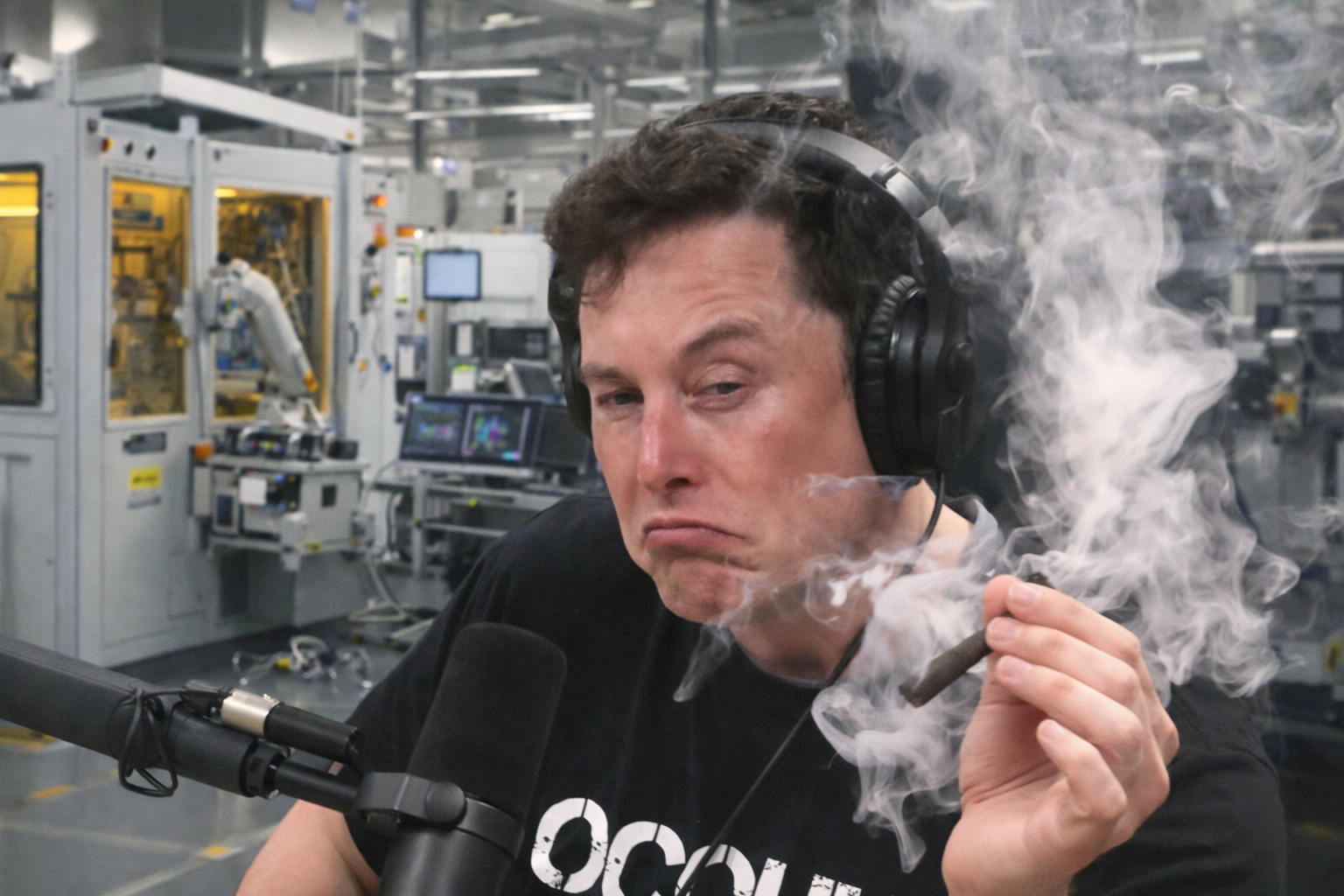
Elon Musk says Tesla’s long discussed TeraFab project will be formally unveiled next week, signaling what could become one of the company’s most ambitious attempts yet to expand beyond electric vehicles and into semiconductor manufacturing. In a recent X post, Musk stated simply that the “Terafab Project launches in 7 days,” confirming that some kind of public reveal is now imminent. Reuters has also reported that Musk said Tesla’s giant AI chip fab project would launch in 7 days, tying the announcement directly to Tesla’s growing need for artificial intelligence silicon.
Terafab Project launches in 7 days
— Elon Musk (@elonmusk) March 14, 2026
What remains unclear is the actual structure of the project. At this stage, Musk has confirmed the timing of the reveal, but he has not publicly detailed whether TeraFab will be a fully owned Tesla fabrication plant, a foundry partnership model, a manufacturing network, or some hybrid of the 3. That distinction matters, because building a modern leading edge fab is one of the most capital intensive and operationally complex undertakings in the technology sector. Reuters noted that Musk had already said last year Tesla would probably need to build “a gigantic chip fab” to support its artificial intelligence ambitions, especially as demand for custom silicon rises across Tesla’s self driving, robotics, and AI infrastructure roadmap.
The scale Musk has previously floated is enormous. Earlier Reuters reporting said Musk discussed the need for partners or facilities capable of delivering 100 billion to 200 billion AI chips per year, which would place TeraFab in an extremely ambitious category by any industry standard. That does not mean Tesla has already secured a path to that output, but it does show the scale Musk appears to be targeting. In practical terms, this is less a normal fab announcement and more a vertical integration moonshot aimed at reducing Tesla’s long term exposure to external supply bottlenecks.
The strategic logic behind the move is not hard to understand. Tesla is increasingly dependent on advanced chips for autonomous driving systems, AI training, and future robotics deployments. If supply tightens further, or if geopolitical risk disrupts overseas foundry access, Tesla could find itself competing for capacity in an already constrained semiconductor market. That is why TeraFab is being watched so closely. It is not just about cost. It is about control, allocation, and securing enough silicon to support Musk’s broader AI plans. Reuters specifically connected the new announcement to Tesla’s efforts to make artificial intelligence chips for its future needs.
At the same time, there is still plenty of skepticism around execution. One of the biggest questions is whether Tesla can realistically build or operate a next generation chip manufacturing platform on the timeline and scale Musk has implied. Another point of controversy is Musk’s earlier criticism of conventional cleanroom design. Reporting around his past remarks indicates he has challenged some industry assumptions about fab environments, which has only intensified doubts among observers who view semiconductor manufacturing as a field where process discipline leaves little room for improvisation. Those earlier comments have become part of the wider debate over whether TeraFab is a disruptive vision or an impractical one.
There is also a reasonable possibility that Tesla does not attempt to do everything alone. Reuters previously reported that Musk had floated the idea of partnering with existing manufacturers, including Intel, rather than immediately building every part of a manufacturing stack from scratch. If that remains part of the plan, next week’s reveal could be less about a single giant clean sheet factory and more about a production framework built through licensing, co investment, or reserved capacity with established foundry operators. That kind of structure would be far more realistic in the near term, especially if Tesla wants meaningful output sooner rather than later.
The most important takeaway right now is that the announcement is real, but most of the grandest claims around it are still aspirational. Musk has confirmed the reveal date window. He has previously talked about massive chip output and the need for more domestic manufacturing capacity. What he has not yet done is show the concrete operational plan that turns TeraFab from concept into a credible semiconductor business. Until that happens, the project remains one of the boldest and most speculative moves in the current AI hardware race.
If Tesla can present a serious roadmap next week, TeraFab could become one of the most talked about semiconductor stories of 2026. If the reveal lacks technical and manufacturing substance, it may instead reinforce the view that this is another Musk scale promise still searching for a workable industrial foundation.
What do you think, can Tesla realistically build a meaningful chip manufacturing footprint, or is TeraFab too ambitious even by Elon Musk standards?
