
Intel CPU Price Hike Rumor Points to 30% Increase in 2026 as Server Demand Pressures Consumer Supply
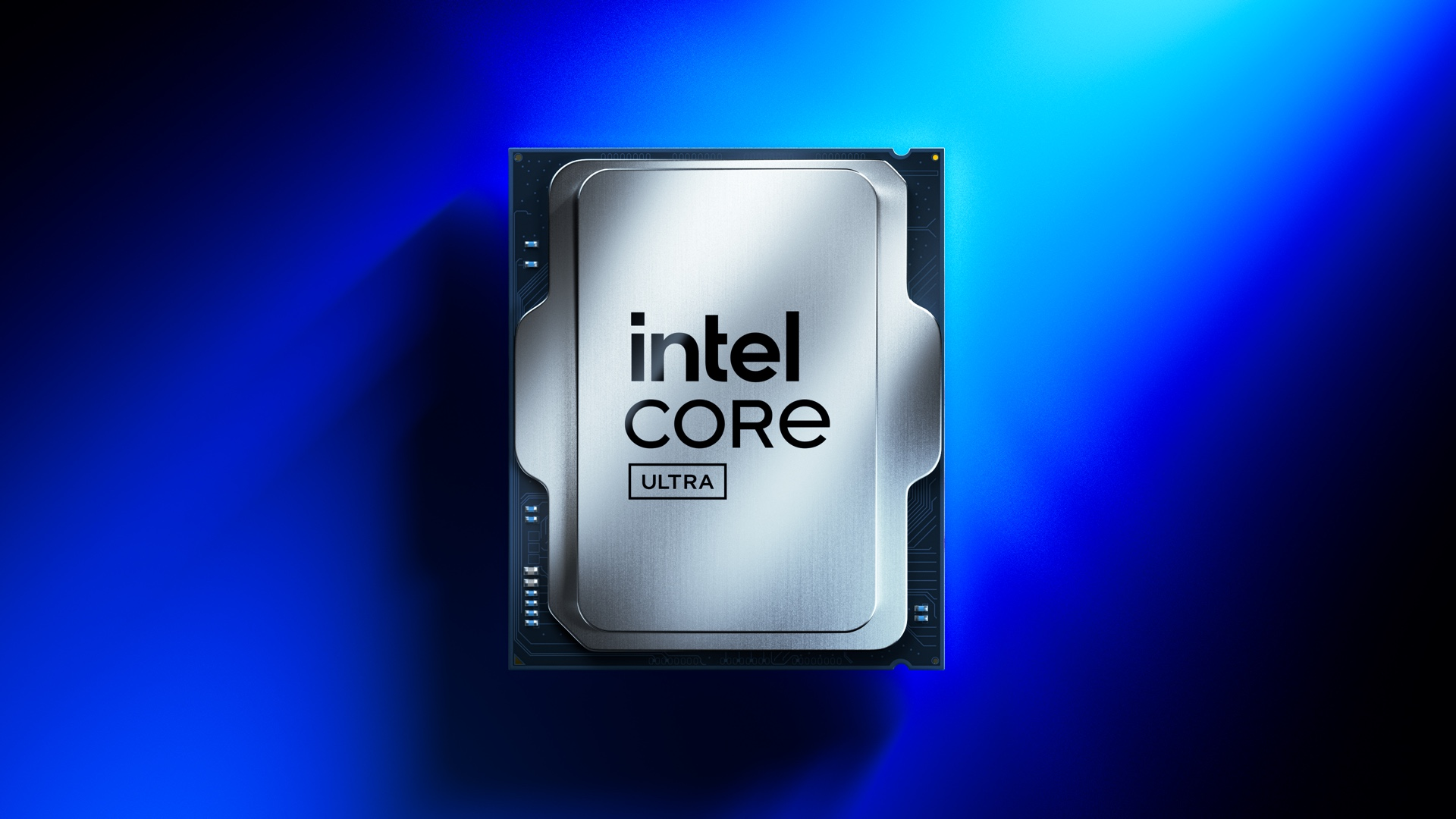
Intel may be facing a new pricing challenge in 2026, and if the latest supply chain chatter proves accurate, gamers and PC builders could be in for a much more expensive year. A recent report circulating through industry watchers claims Intel’s CPU prices could rise by as much as 30% cumulatively this year, with the pressure tied to strong enterprise and AI driven server demand rather than a normal consumer desktop refresh cycle. The claim appears to stem from a widely shared post by supply chain sources, but at this stage it remains an unconfirmed market report rather than an official Intel pricing announcement.
That distinction matters. What is confirmed is that Intel’s newer Core Ultra 200S Plus desktop chips launched in late March 2026 with Intel suggested prices starting at 199 dollars for the Core Ultra 5 250K Plus and 299 dollars for the Core Ultra 7 270K Plus. Those are Intel’s official suggested prices, but market pricing and channel behavior can move very differently when supply tightens or distributors anticipate higher procurement costs.
CPU紀要
— 駿HaYaO (@QQ_Timmy) April 1, 2026
漲價情況
Intel 2026年已執行兩輪CPU漲價:2月首輪漲10-15%,3月16日第二輪漲15%,累計較1月上漲約20%。目標是全年累計漲30%,以回收投資並滿足資本市場預期。5月計劃第三輪調價,但受AMD與ARM競爭影響,進一步大漲空間有限。
需求表現
-…
The broader concern is not just about one new launch. Recent reporting indicates Intel and AMD have both been dealing with tight supply for server CPUs, especially in China, where delivery times have reportedly stretched and Intel server product prices have already moved up by more than 10% in some cases depending on customer contracts. Reuters also reported in January that Intel said it was struggling to satisfy demand for server chips used in AI data centers, reinforcing the idea that enterprise demand is becoming a major pressure point for supply allocation.
That is where the gaming side of the story becomes more worrying. If enterprise and AI infrastructure customers are absorbing more of the available CPU capacity, then consumer desktop parts naturally become more exposed to tighter supply and pricing adjustments. Analysts cited by Barron’s said Intel could raise server CPU prices by 10% to 15% in Q2 after similar increases in Q1, with ongoing AI driven hardware demand keeping the environment favorable for more pricing power. Barron’s also noted that AMD is benefiting from similar server demand trends, although Intel may have more immediate room to push pricing higher.
So while the rumor of a full 30% increase across 2026 should still be treated carefully, the underlying market logic is no longer difficult to see. Intel has already acknowledged server demand pressure. Reuters has reported supply shortages and long lead times. Analysts are openly discussing consecutive rounds of price hikes in the server segment. When all of that is placed next to a desktop market that is still sensitive to channel shortages, it becomes easier to understand why supply chain sources believe consumer CPUs could also feel the impact.
For gamers, the timing is especially frustrating. Intel’s recent desktop lineup looked positioned to remain competitive in value terms, especially if buyers focused on price to performance rather than flagship only comparisons. But if pricing keeps climbing at retail, that value case weakens quickly. It also means the impact may not stop with one product generation. If the supply chain report is correct, older Intel families could also see upward pressure, which would make budget and midrange upgrades harder to justify across the board.
There is also an important strategic angle here. AI infrastructure growth is not a short burst trend. It is driving capital spending across the broader server ecosystem, and investors are increasingly treating CPUs, memory, and related server components as beneficiaries of sustained demand rather than temporary spikes. That does not automatically mean every rumored price hike will materialize in full, but it does suggest that consumer PC buyers are now competing for silicon in a market where enterprise demand carries much stronger revenue and margin incentives.
At the moment, the most responsible reading is this: the 30% figure is still a rumor, but the pressure behind it is real. Intel has not publicly confirmed a consumer wide CPU price increase of that size. However, supply shortages in server CPUs, stronger AI infrastructure demand, and analyst expectations for ongoing price increases in the enterprise market all point to a hardware environment that is becoming less friendly for mainstream desktop buyers.
For PC gamers and DIY builders, that means the next few months will be worth watching closely. If retail prices continue to drift above Intel’s official suggested pricing, this rumor may start to look less like speculation and more like an early warning.
Do you think AI server demand will push desktop CPU pricing into a new normal, or is this still a short term supply chain squeeze that will cool off later in 2026?
