
Nexon Doubles Down on AI Strategy, Says It Frees Creators While Backing Smaller Teams and Lower Cost AAA Development
Nexon has once again made clear that it sees artificial intelligence as a core part of its long term game development strategy, but its latest comments are already likely to reignite debate across the industry. During the company’s latest Capital Markets Briefing, Nexon leadership argued that its AI approach is not designed to replace creative workers, but to remove friction from the development process so teams can spend more time on decision making, iteration, and creative work. At the same time, the company also highlighted that this philosophy has already helped support the creation of major games with significantly fewer people and at a lower cost than many traditional AAA productions.
That tension is at the center of Nexon’s latest messaging. President and CEO Junghun Lee described the company’s methodology in clear terms, saying, "Our methodology doesn't replace creative people, it frees them to create, with context." "Quote by: Junghun Lee" In Nexon’s view, the crucial difference is not simply access to AI tools, but the data and historical knowledge behind them. Lee said the company’s so called Mono Lake initiative gives developers, live operations teams, and decision makers access to accumulated design history, player behavior patterns, and operational knowledge gathered across decades of running live games. He argued that AI without that kind of internal context only creates faster generic output, while Nexon’s model is meant to guide teams using information built from long term player and product data.
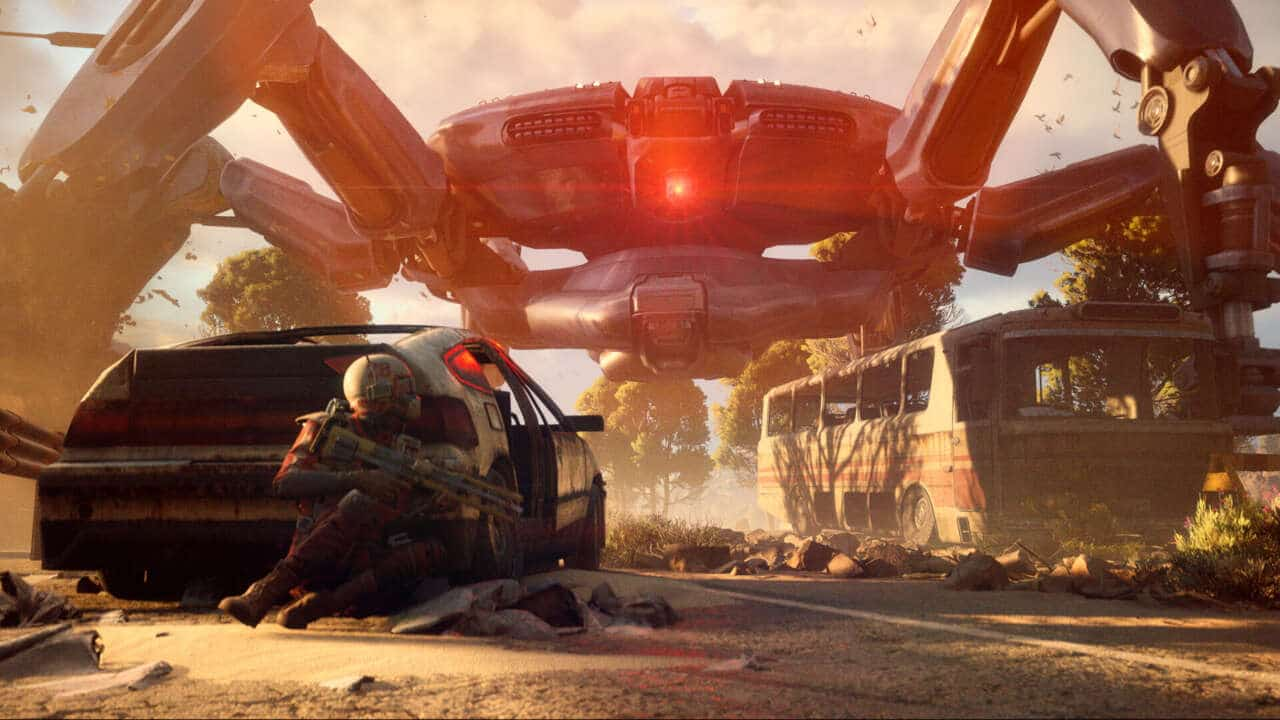
Patrick Söderlund, Nexon’s executive chairman and the head of Embark Studios, pushed that argument even further. In the briefing, he said most companies are approaching AI incorrectly because they are focusing too heavily on tools rather than understanding the real production challenge. He framed Nexon’s advantage as one rooted in workflow, experience, and practical application rather than novelty alone. Söderlund also connected this production philosophy directly to Embark’s results, saying that The Finals and ARC Raiders were built with significantly fewer people and at a fraction of the cost typically associated with AAA development. That is one of the strongest signals yet that Nexon is not merely using AI as an experimental support layer, but as part of a broader effort to redesign how games are made across the business.
From a corporate perspective, Nexon is positioning this as a competitive advantage. The company’s presentation repeatedly stresses that the goal is to improve scale, margin discipline, and development efficiency while keeping the actual player facing creative content in human hands. Lee said the content inside Nexon’s games remains the work of its developers, while AI helps reduce low value process overhead and makes years of historical insight available at speed. In that framing, AI becomes less of a replacement tool and more of an internal operating layer for production, analysis, and live service decision making.
Still, the message is not likely to land cleanly with everyone. Saying that AI does not replace creative workers while also celebrating the ability to produce successful games with fewer people naturally raises questions about labor, hiring, and what future team structures could look like. Even if Nexon insists that AI is there to empower creators rather than remove them, the business language around lower costs and leaner teams will inevitably be read by many as evidence that workforce reduction remains part of the practical outcome. That reading becomes even harder to avoid when efficiency is presented as a major success metric alongside creative freedom.
There is also a broader reputational layer here. Nexon has been vocal about AI for some time, and its leadership has shown little interest in stepping back from that stance despite criticism from parts of the development community. The latest briefing makes it clear that the company is not softening its position. If anything, it is becoming more confident in presenting AI as a structural advantage tied to its scale, live service history, and internal knowledge base. Whether that confidence translates into better games over the long term is still an open question, but Nexon is clearly betting that smarter process design and context rich AI support can help it move faster while keeping creative leadership with its development talent.
For the games industry, that makes Nexon one of the clearest examples of where executive level AI thinking is heading. This is no longer just about concept art tools, code generation, or experimental NPC systems. It is about reworking entire production pipelines, redefining headcount expectations, and building institutional systems that allow companies to do more with less. That may sound compelling to investors, but it also guarantees continued scrutiny from developers and players who remain skeptical of how those gains will actually be distributed.
The bigger issue now is not whether major publishers are using AI in some form. That debate is already moving on. The real question is what kind of games this mindset produces, what kinds of teams it sustains, and whether companies can truly protect creative quality while aggressively optimizing for efficiency. Nexon believes it can. The rest of the industry will be watching closely to see if that promise holds up.
Do you think Nexon’s AI strategy can genuinely help creative teams, or does making games with fewer people inevitably point toward replacement over time?
