
PlayStation 6 Leak Wave Suggests Sony’s Next Generation Transition May Be Closer Than Expected
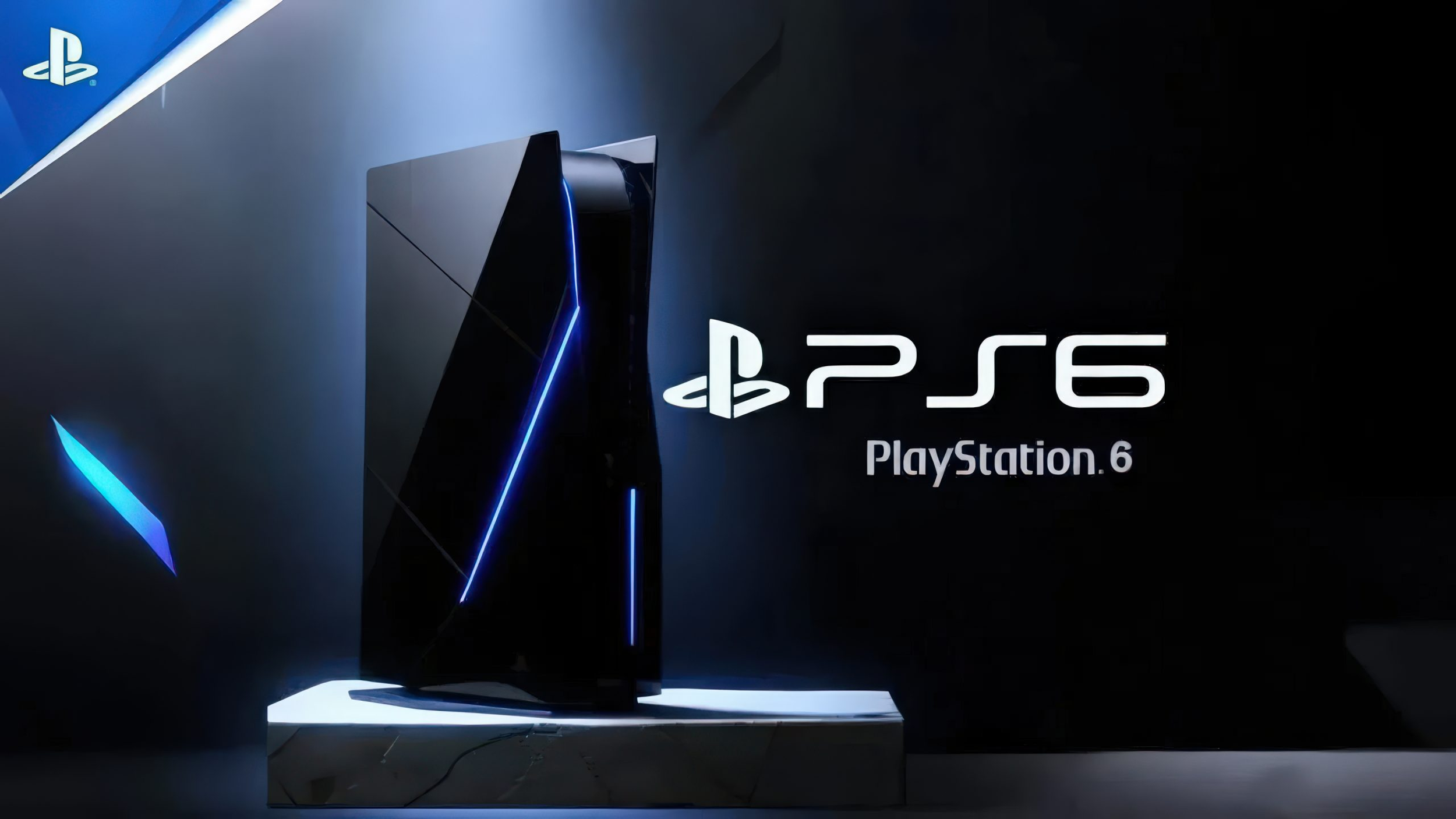
A new wave of leaks is once again pushing the PlayStation 6 into the center of industry discussion, and this time the claims point to something much more immediate than many expected. While recent speculation suggested Sony’s next generation console could slip well beyond a late 2027 or early 2028 launch due to current economic pressure and the rising cost of hardware manufacturing, multiple reports from Moore’s Law is Dead now paint a very different picture. According to the latest claims, Sony is not simply planning far ahead, but is already laying the groundwork for an active and imminent generational transition that could include both a next generation home console and a dedicated handheld ecosystem.
One of the most discussed parts of the leak revolves around Power Saver Mode, which is now being interpreted as something far more important than a simple efficiency feature for current PlayStation hardware. Based on the claims shared by the leaker, the way Sony is guiding developers to support this mode strongly suggests it is actually functioning as a compatibility framework for a future PlayStation handheld. The logic behind that theory is tied to how game threads are being allocated. According to the breakdown, the structure aligns closely with previously rumored handheld specifications of 4 x Zen 6c cores providing 8 threads for games, alongside 2 x Zen 6 low power cores capable of handling up to 4 threads for the system side.
That is where the story becomes more technically interesting. Under normal circumstances, reducing thread usage alone would not create a major power saving advantage compared to simply lowering clock speeds or tuning performance targets more aggressively. Because of that, the argument being made is that Sony would not be asking developers to adapt to this kind of threading behavior unless the company was preparing software compatibility for a real future device. If true, then Power Saver Mode may be less about energy efficiency on current hardware and more about quietly preparing PlayStation titles for a portable platform that can scale them appropriately.
The second major piece of the rumor is PlayGo, which the leak frames as Sony’s answer to Xbox Smart Delivery. According to the claims, this system was introduced through PS5 SDK 13 and allows developers to package different chunks of assets and textures depending on the target hardware. In practical terms, that would mean each PlayStation device only downloads the files it actually needs. Instead of forcing a standard PlayStation 5 user to also download higher resolution textures or enhanced assets meant for more powerful variants, Sony would allow developers to create separate content packages for each platform tier.
What makes this particularly notable is the suggestion that PlayGo now supports packaging not only for PS4, PS4 Pro, PS5, and PS5 Pro, but also for PS5 Power Saver Mode. That last detail has become one of the strongest talking points behind the handheld theory. The reasoning is simple. Smaller asset packages do not reduce power usage by themselves in any meaningful hardware level sense, so creating a dedicated asset and texture path for Power Saver Mode would only make real strategic sense if Sony intended that mode to serve as the foundation for a future system with its own specific memory, storage, and performance profile.
Beyond the technical infrastructure, the broader claim from these leaks is that Sony is actively preparing developers for a larger platform transition. Reports of PlayStation Network legacy support being wound down for some PS4 related functionality, combined with new cross generation SDK direction, are being framed as additional signs that Sony is reorganizing its ecosystem ahead of the next cycle. According to Moore’s Law is Dead, the biggest takeaway is that the PlayStation 6 is not many years away, and that multiple behind the scenes changes now appear connected to a broader next generation rollout rather than isolated platform housekeeping.
Pricing is another area where these rumors could draw a strong reaction from players. With hardware costs continuing to rise across the gaming sector, many consumers have understandably feared that the next generation could push premium console pricing into uncomfortable territory. However, the latest claims suggest Sony has been designing both the PlayStation 6 and the rumored handheld with manufacturing efficiency in mind from the beginning. The leaker argues that the systems were built to be cheaper to produce than both the standard PlayStation 5 and the PlayStation 5 Pro, helped by more cost effective cooling and power supply design. If that proves accurate, Sony could be aiming for a next generation platform that is not only more scalable across home and portable hardware, but also more commercially approachable.
That does not automatically mean the system will launch cheaply, but it would give Sony more flexibility in setting a competitive retail price. If the bill of materials remains manageable and the company is willing to subsidize the launch hardware to some extent, the base PlayStation 6 could potentially enter the market below the kind of near 1,000 dollars figure that many players have started to fear. In a market where hardware value perception matters as much as raw performance, that could become one of Sony’s biggest strategic advantages.
Of course, it is important to treat all of this as leak based reporting for now. None of these details have been officially confirmed by Sony, and until the company begins publicly discussing its next generation roadmap, much of the current conversation will remain speculative. Even so, the consistency of these claims is what makes them notable. Rather than pointing to a single isolated rumor, they describe a coordinated set of software, hardware, and developer facing changes that all seem to support the same conclusion. Sony may already be building the bridge between the PlayStation 5 era and whatever comes next.
For the wider games industry, that possibility is significant. A PlayStation 6 ecosystem with native handheld support and more efficient asset delivery would not just mark a normal generation shift. It would represent a broader platform strategy that blends home console and portable design in a way Sony has not fully executed in the modern era. If the company can deliver that while keeping costs under control, it could have a major effect on hardware competition, development workflows, and the overall direction of console gaming in the second half of this decade.
What do you think about these PlayStation 6 leaks? Would you be more interested in a lower priced next generation console, a PlayStation handheld, or a full ecosystem built around both?
