
PEAK Developers Push Back on Update Demands, Reminding Players Not Every Online Game Is Built as a Live Service
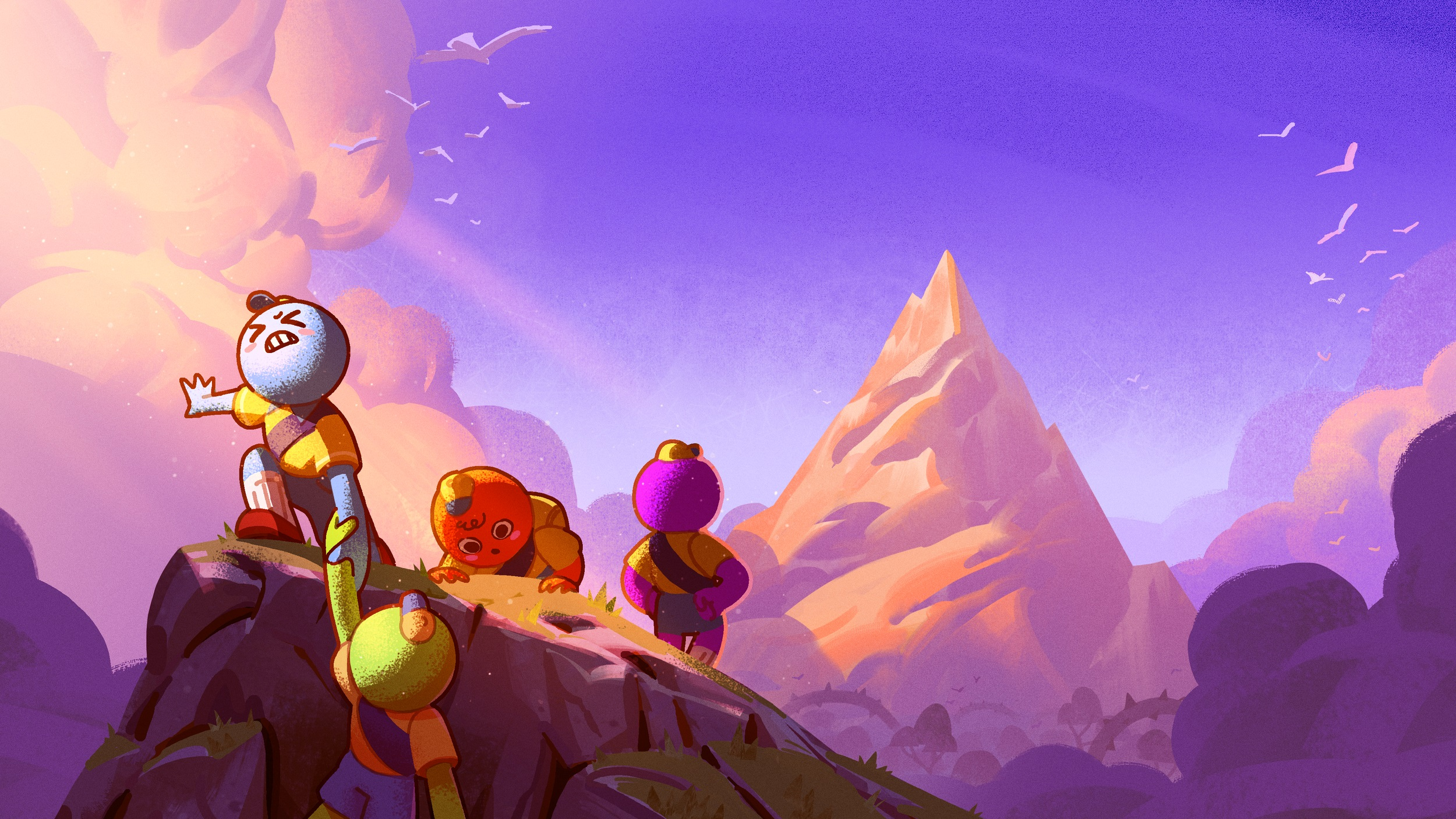
The developers behind PEAK, one of 2025’s breakout indie multiplayer hits, have pushed back against a growing wave of player expectations that every successful online game should evolve into a constantly expanding live service platform. After criticism from a player who accused the team of having a “lazy dev cycle,” Landfall Games responded directly, making its position clear: “PEAK has had sooo many updates tho! Neither us or Aggro Crab are live service studios, any update is a bonus not a right.” The exchange was first highlighted by GamesRadar and later echoed by IGN.
That response cuts to the heart of a wider industry issue. PEAK was never sold as an early access project, nor was it marketed as a forever game built around endless seasonal content. It launched as a finished co op experience born from a game jam collaboration between Landfall Games and Aggro Crab, then received additional support because it became a major success. Reporting around the studios’ earlier comments makes that even clearer, with Aggro Crab previously saying there were never plans to update the game indefinitely and that the team does not want to become a studio locked to one title forever.
The debate intensified when another user argued that because PEAK is an online game sold at a low price, players should naturally expect more biomes, new features, and ongoing content. Landfall answered that point as well, stating that the team had already delivered numerous additions and still had at least one more planned update, while also reminding players that game development did not always operate under the assumption of constant post launch expansion. In another reply, Landfall said, “We have done a lot of updates with biomes and features and we have at least one more. The industry used to be no updates just release as is. We have gone way beyond that.” That reply remains visible through the studio’s post on X.
We have done a lot of updates with biomes and features 🥰 and we have at least one more. The industry used to be no updates - just release as is. We have gone way beyond that.
— Landfall (@LandfallGames) April 1, 2026
From a market perspective, it is not difficult to see why some players have started to treat every multiplayer game as if it should function like a live service giant. The modern charts are dominated by a small number of online games that constantly refresh with events, cosmetics, balance patches, and new content drops. That post launch cadence has shaped player expectations across the wider market, to the point that even complete premium games are often judged not only by what they launch with, but by how much they add afterward. The problem is that this mindset does not translate cleanly to smaller studios, especially not teams operating with indie scale, limited bandwidth, and multiple projects in development.
That is what makes the Landfall response resonate beyond a single social media exchange. It is not just a defense of PEAK, but a reminder that online functionality does not automatically mean live service obligation. A co op game can succeed, receive a few thoughtful updates, and still remain a finished work rather than an endlessly monetized platform. For indie developers in particular, there is a major difference between choosing to support a successful title and being pressured into reorganizing a studio around the assumption that one hit game must now define the entire business.
In that sense, the frustration from Landfall feels understandable. The studio was not dismissing its players or saying feedback has no value. It was drawing a line between appreciation and entitlement. There is a difference between hoping for more content and acting as though developers owe it forever, especially when the teams in question have already gone well beyond their original plans. By most reasonable standards, PEAK has already received far more post launch attention than many finished indie games ever do.
For the broader games industry, this is one of the more useful reality checks to come out of a small controversy. The success of live service leaders has helped normalize a model that is difficult even for major publishers to sustain. Expecting every online game to follow that path is not only unrealistic, it can also distort how players value complete, self contained experiences. PEAK became one of 2025’s standout indie successes because it was fun, immediate, and memorable, not because it promised to become an endless platform for updates. The fact that it received more support after launch should be viewed as added value, not as proof that the developers now owe a permanent roadmap.
Do you think players have started expecting too much post launch support from smaller studios, or is that now just part of the standard for any successful online game?
