
Take Two Reportedly Cuts AI Team, Including Department Head, in Surprising Move Ahead of GTA VI
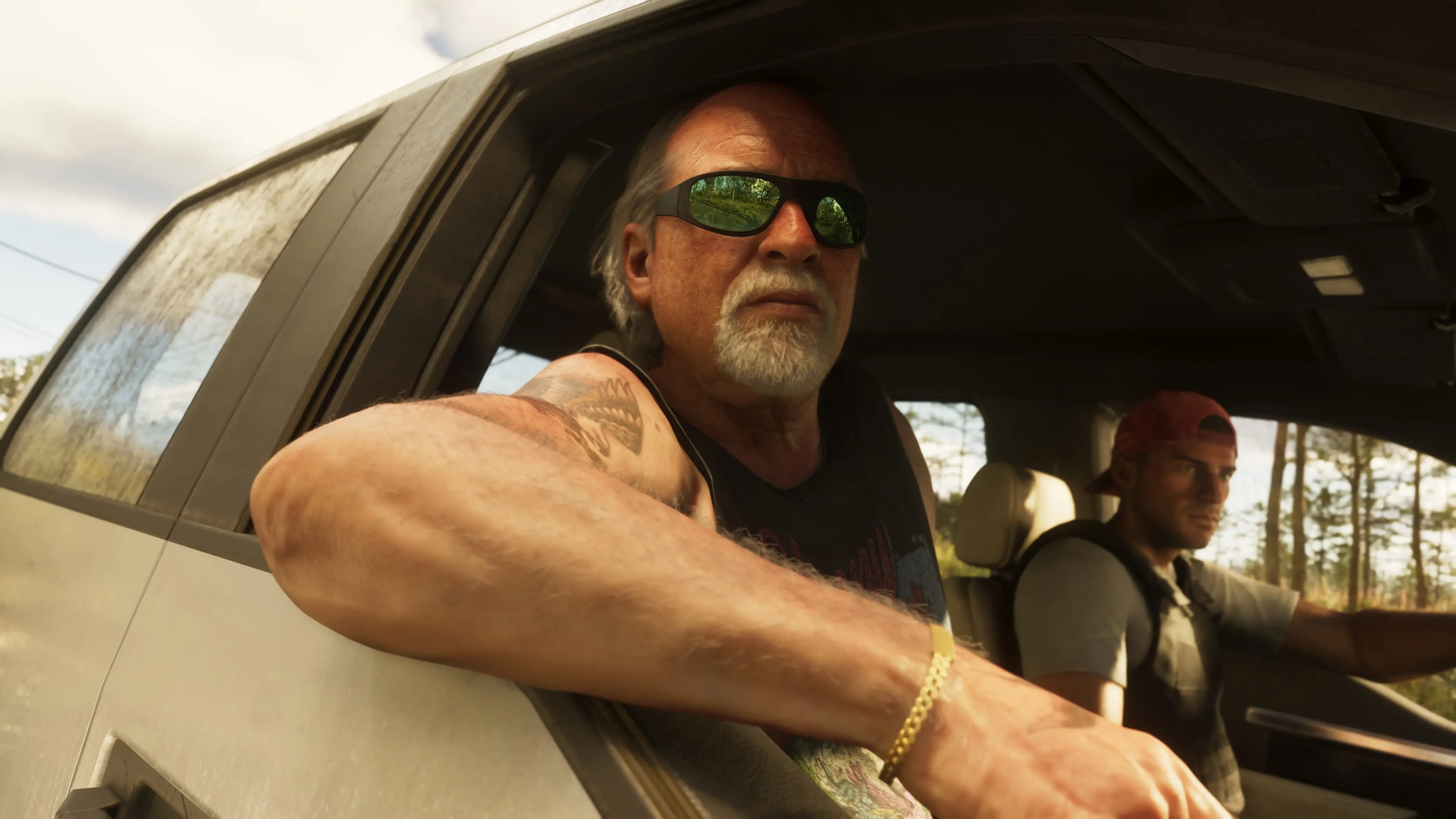
Take Two Interactive has reportedly gone through another round of layoffs, but this time the cuts appear to have landed in a place many in the games business would not have expected. According to reporting from Kotaku, the company has seemingly let go of members of its artificial intelligence group, including its head of AI, Luke Dicken. A public post from Dicken on LinkedIn said that his time at Take Two, and that of his team, “has come to an end,” which strongly suggests the layoffs reached beyond a single leadership role, though the exact number of affected employees has not been confirmed publicly.
That alone would be notable, but the timing makes it even more striking. Over the past several months, Take Two chief executive Strauss Zelnick has repeatedly described the company as actively engaged with AI and generative AI across the business. During Take Two’s fiscal third quarter 2026 earnings discussion in February, Zelnick said the company had “hundreds of pilots and implementations” underway and was already seeing cases where generative AI tools were helping with time and cost efficiency. In other words, this was not a publisher publicly distancing itself from AI. It was a publisher openly saying it was embracing it.
At the same time, Zelnick has also been one of the more measured executives in the industry when it comes to what AI can and cannot actually do for blockbuster game creation. In March, speaking with The Game Business, he argued that AI tools may help create assets, but they will not create hits. He went even further by stating that generative AI had no role in the making of Grand Theft Auto VI, emphasizing that Rockstar’s worlds are handcrafted and that this kind of detailed human built design is exactly what separates premium entertainment from generic output.
That is what makes these reported layoffs so interesting from an industry strategy perspective. Take Two has not been selling investors on a vision where AI replaces the core creative process behind its biggest games. Instead, Zelnick’s message has been that AI can improve workflows and efficiency around development while the actual entertainment value still comes from human craftsmanship. If the company has now cut the team that was meant to help lead parts of that internal AI push, it raises real questions about whether priorities have shifted, whether the structure is being reorganized, or whether some internal AI bets simply did not develop the way leadership expected. At this point, none of that has been officially clarified. Take Two reportedly declined to comment to Kotaku.
Dicken’s own wording also adds weight to the story. In his statement, he said the team had been developing advanced technology to support game development for seven years and described the group as people who knew how to combine innovation, problem solving, and strong product design to build systems that empower development workflows. That language does not sound like a minor side experiment being quietly wound down. It sounds like a team with a meaningful internal mission that has now been interrupted.
From a business lens, there is a certain irony here. Across the wider games industry, the dominant fear around AI has often been that publishers will use generative tools to justify replacing artists, writers, designers, and support staff. In this case, the reported cuts instead appear to have hit the people most directly associated with AI leadership itself. That does not mean Take Two is abandoning AI altogether. In fact, Zelnick’s recent remarks suggest the opposite, at least philosophically. But it does suggest that whatever Take Two wants its AI future to be, it may not look like the structure it had in place until now.
There is also a broader reputational angle. Take Two sits in a uniquely strong position compared with many of its peers. With Grand Theft Auto VI on the horizon and franchises like NBA 2K, Grand Theft Auto Online, Red Dead Redemption, Borderlands, and Civilization under its umbrella, the company is under less obvious pressure than many rivals to chase AI as a headline driven survival strategy. That does not make layoffs any less serious, but it does mean Take Two can afford to be selective about how aggressively it restructures around emerging tech. If any major publisher can decide it does not need to go all in on generative AI hype to remain commercially dominant, it is probably this one.
For now, the clearest takeaway is that the public messaging and the internal staffing picture no longer line up neatly. Take Two has spent months saying AI can be useful, while also insisting it cannot replace the core human work required to build cultural hits. Now, reports suggest the dedicated AI leadership team has itself been hit by layoffs. Until the company explains what comes next, the result is uncertainty around how Take Two intends to balance efficiency, experimentation, and human creativity in the years ahead.
What do you think this signals for Take Two’s long term AI plans? Is this a strategic correction, a reorganization, or a sign that publishers are becoming more cautious about AI teams than they first appeared?
