
Intel Board Chair Frank Yeary Will Retire on May 13, 2026, With Dr Craig H Barratt Set to Take Over
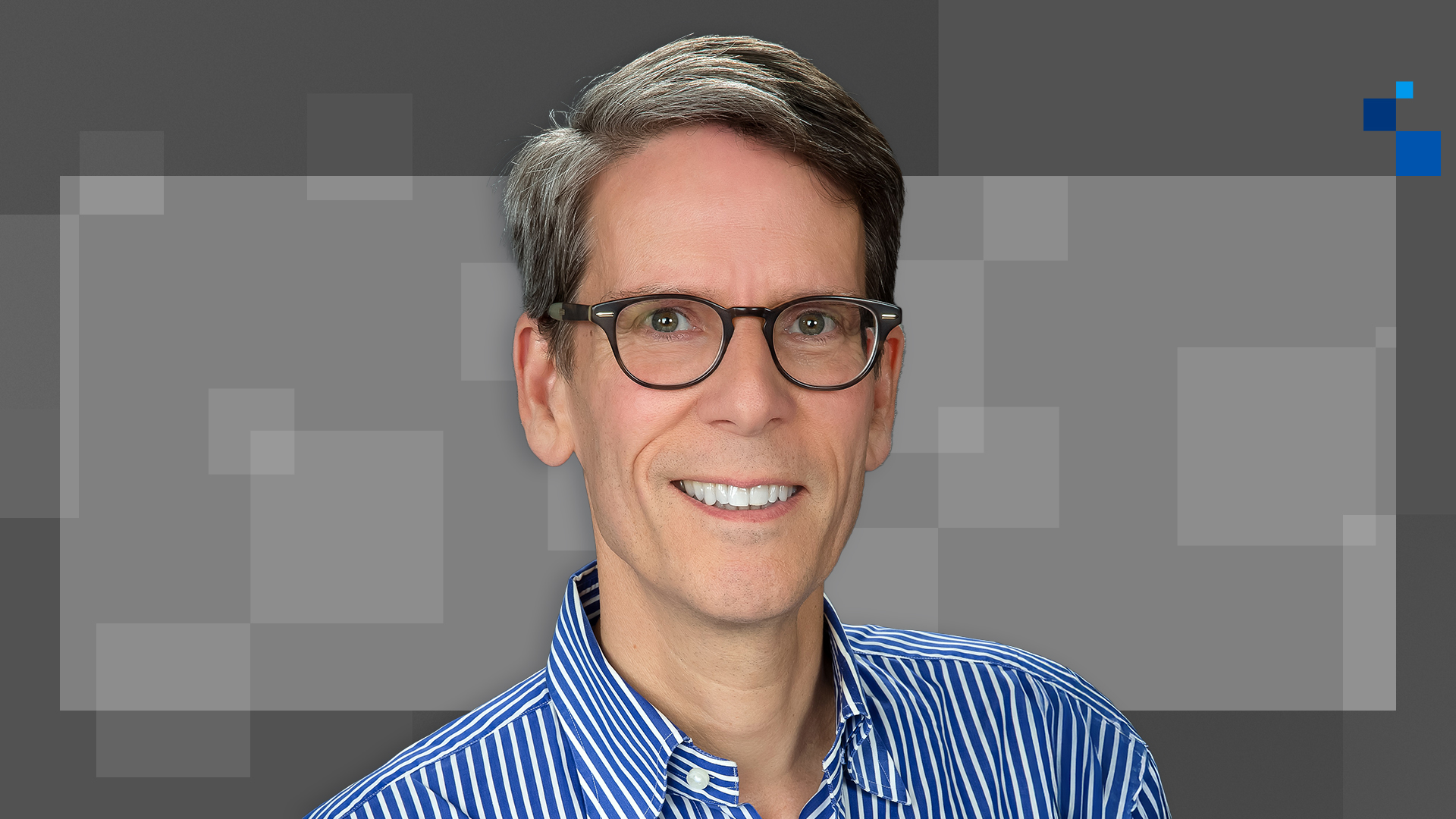
Intel has confirmed that board chair Frank D Yeary will step down following the company’s Annual Stockholders Meeting on May 13, 2026, ending a 17 year run on the board that included a period of intense leadership churn and strategic conflict over Intel’s manufacturing future. The announcement comes directly from Intel’s latest release, which also confirms Dr Craig H Barratt has been elected as the next independent chair, effective immediately after the annual meeting.
The transition is landing at a moment when Intel is actively trying to reposition itself as an engineering first execution company again, particularly with Intel Foundry and the company’s next node targets sitting at the heart of its competitive recovery plan. In that context, the optics of moving from Yeary, a finance and governance oriented chair, to Barratt, a semiconductor veteran with deep technical leadership experience, are not subtle. It signals that Intel wants board level oversight that is more tightly aligned to manufacturing, product cadence, and operational delivery, especially under CEO Lip Bu Tan’s leadership direction.
Yeary’s tenure has also been linked to some of the most consequential internal debates Intel has faced in years, including arguments around whether the company should separate its foundry ambitions from the rest of the business. Reporting has described Yeary as advocating for a foundry spin off approach, a move that faced internal resistance among executives who viewed advanced manufacturing as central to Intel’s identity and long term strategy. That debate became part of the broader leadership turbulence that ultimately culminated in Pat Gelsinger’s exit and Intel’s pivot into a new executive era under Tan.
From a market standpoint, this is not just a chair change. It is a governance signal to customers, investors, and partners that Intel is prioritizing disciplined execution and manufacturing credibility, with a board leadership profile designed to reinforce that message. Intel is effectively communicating that it wants fewer finance driven narrative swings and more engineering grounded accountability, which is exactly the kind of alignment the ecosystem will look for as Intel attempts to regain trust in its roadmap delivery.
Do you think Intel’s next 12 months should prioritize foundry customer wins and manufacturing milestones, or should the company focus first on restoring CPU and AI product momentum even if foundry growth takes longer?
