
GTA VI Code in Box Release Could Accelerate Physical Games Decline as CI Games CEO Warns Digital Sales Pay Far More
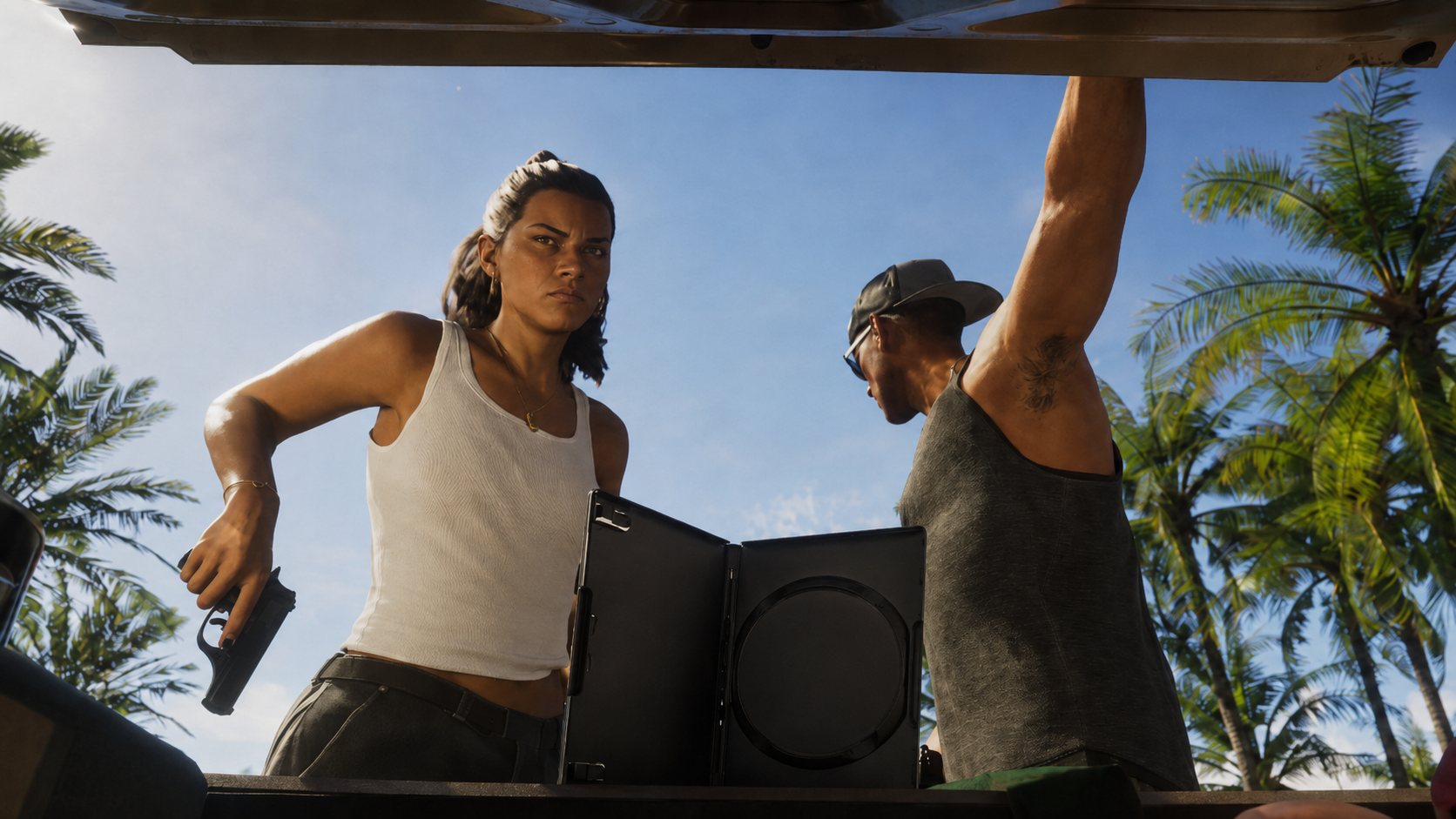
Rockstar Games and Take Two may have just delivered the clearest preview yet of where console game distribution is heading. Grand Theft Auto VI will still appear at retailers in a boxed format, but the package will contain a download code instead of a playable disc. That decision has already sparked major criticism from collectors and preservation advocates, but CI Games CEO Marek Tyminski says the business logic behind the move is becoming almost impossible for publishers to ignore.
According to the official Take Two preorder announcement, GTA VI launches on November 19, 2026 for PlayStation 5 and Xbox Series X and S at $79.99, while the Ultimate Edition will sell for $99.99. Digital preloading begins on November 12, 2026, and the boxed retail version will also become available on that date to support preloading. However, Take Two states that the physical version contains a download code inside the box rather than a disc.
The distinction matters. A box with a digital code can still support retail shelf space, gift purchases, and collectors who want packaging, but it does not provide the traditional benefits of a physical game. It cannot be resold as a playable disc, lent to another player in the same way, preserved independently, installed directly from media, or used without depending on a platform account and download infrastructure.
Tyminski responded to the GTA VI move by arguing that Rockstar’s decision places pressure on studios that still support discs. In comments reported by GamesRadar and Insider Gaming, the CI Games CEO said the lack of a disc in GTA VI is accelerating the industry shift while making physical releases harder to justify for companies that still manufacture them.
"GTA 6 shipping with no disc feels unfair to studios still backing physical, and it is accelerating the shift." Quote by: Marek Tyminski
His argument is focused on revenue per unit. Tyminski said that at $69.99, retail margins can take 25% to 35%, distributors can take another 10% to 20%, and physical production can cost around $10 per unit. Under that model, studios can be left with just over $26 per physical unit, compared with around $49 from a high margin digital sale.
"That leaves studios with just over $26 per unit, compared to around $49 on digital at highest margin." Quote by: Marek Tyminski
The pressure grows when prices fall. A discounted retail copy still carries manufacturing, shipping, warehousing, distributor, and retail costs, while a discounted digital copy preserves more direct platform control and avoids physical inventory risk. Larger publishers may secure better terms, but Tyminski argued that even those companies make significantly more from digital sales.
Lords of the Fallen 2 is still planned to launch on disc, but Tyminski said the business case is getting harder when physical represents far below 20% of sales. That is the critical market threshold. If physical releases fall below a meaningful share of revenue, publishers may begin treating discs as a collector service rather than a standard format.
Sony’s own policy shift makes the situation even more urgent. The company confirmed through the official PlayStation Blog that physical disc production for all new games releasing on PlayStation consoles will end starting January 2028. After that date, new PlayStation titles will be sold through the PlayStation Store and retailers in digital formats only. Games released before the deadline, or scheduled for disc release before January 2028, are not affected.
Reuters reported that digital downloads represented approximately 80% of Sony’s full game software sales during fiscal year 2025. That number explains why Sony sees the move as commercially rational, even if it remains deeply unpopular with players who value resale, lending, preservation, access, and retail price competition.
Sony will end new PlayStation game discs in January 2028, noting that GTA VI already demonstrated what future retail products could look like: a box on the shelf, but no playable media inside. Our earlier coverage also explained that Sony has not confirmed whether future PlayStation hardware will support older discs for backward compatibility. The backlash continues AS PlayStation disc petition passed 109,000 signatures, although current public attention appears to be growing even further as players react to both Sony’s 2028 deadline and GTA VI’s code in box strategy.
The concern is not only nostalgia. Physical releases keep retailers involved in game discovery and pricing. They allow second hand markets to reduce cost barriers. They give players a way to preserve software outside a storefront account. They also support collectors, libraries, archival projects, and regions where large downloads remain less practical.
At the same time, the publisher side of the equation is clear. Digital distribution reduces manufacturing, packaging, logistics, retailer inventory risk, unsold stock, and second hand market leakage. It also gives publishers more direct control over pricing, preorder campaigns, upgrade paths, subscriptions, downloadable content, and platform storefront visibility. Hideo Kojima recently warned that the disc debate may only be the first stage of a larger ownership problem, because digital downloads at least place data on local hardware, while streaming removes even that limited layer of player control.
GTA VI is not just another game release. It is the kind of market event that can normalize a new standard almost overnight. If the biggest game of the generation sells tens of millions of units without a disc in the box, other publishers will have an easy argument for following the same path.
Tyminski’s numbers explain why this shift is gaining speed. The industry is facing higher development budgets, longer production cycles, weaker margins, inflation, layoffs, and rising hardware costs. In that environment, leaving around $20 or more per unit on the table becomes difficult for any studio to justify, especially when digital sales already dominate the market.
For players, the problem is that the most profitable model is not always the healthiest model. Digital sales may help publishers retain more revenue, but a fully digital console market reduces consumer leverage. Without discs, there is less resale, less lending, fewer used game discounts, weaker retail competition, and greater dependence on account access and storefront availability.
The most realistic future may be a split market. Standard releases become digital, while physical products survive as limited collector editions, boutique print runs, or premium packages. That would preserve some physical culture, but it would also turn disc ownership from a normal consumer option into a more expensive niche.
GTA VI and PlayStation’s 2028 deadline together make one thing clear: the physical game market is no longer fading slowly. It is being strategically sunset. The remaining question is whether publishers, platform holders, and retailers can create a fair transition that protects ownership and preservation, or whether players are simply being moved into a higher margin ecosystem with fewer rights.
Would you still buy a boxed game if it only includes a download code, or does a retail release need a playable disc to count as physical?
