
Xbox Reset Cuts 3,200 Jobs as Compulsion and Double Fine Go Indie, While Ninja Theory and Undead Labs Leave Microsoft
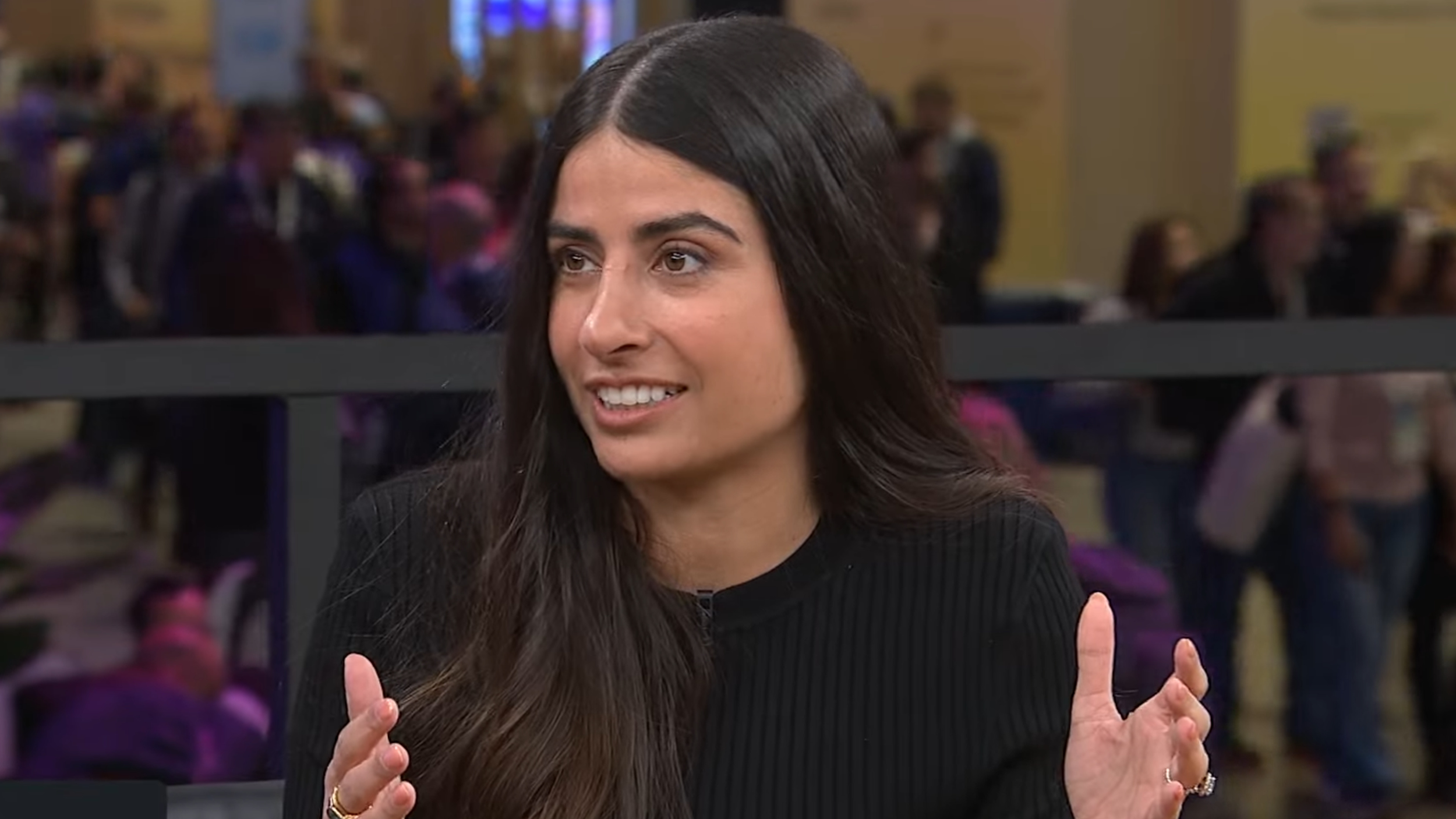
Microsoft has officially begun the most significant restructuring in Xbox history, with Xbox CEO Asha Sharma confirming that approximately 3,200 roles will be eliminated across FY27. The reset begins with around 1,600 role eliminations immediately, while 4 studios will leave Xbox under new management as Microsoft attempts to simplify the business, reduce costs, and focus investment around fewer higher priority projects. T
"We are beginning the most significant restructure in Xbox history."
— Asha Sharma
The biggest studio changes are now confirmed. Compulsion Games and Double Fine Productions will return to independent management while keeping their intellectual property, game catalogs, and runway for future projects. Ninja Theory and Undead Labs have entered terms to join new ownership, with funding in place to complete and grow Senua and State of Decay 3. Arkane Lyon remains the unresolved case, with management in France beginning the required consultation process with its Works Council to review strategic options. That wording leaves several outcomes possible, including independence, sale, restructuring, or closure, but Microsoft has not announced a final decision for the Dishonored, Deathloop, and Marvel’s Blade studio.
Microsoft says the cuts will also affect Activision, Bethesda and ZeniMax, Blizzard, King, Mojang, and Xbox Game Studios in different ways. Sharma stressed that no publicly announced first party Xbox games or projects are being canceled as part of these reductions, although Xbox has already ended its external publishing relationship with IO Interactive on Project Fantasy, which is not a first party Xbox studio project.
Sharma’s explanation is blunt. She said Xbox’s business is not healthy, with margins that are 3 to 10 times lower than comparable platform and publishing businesses. She also said Xbox entered the current console generation with a smaller install base and higher cost structure, then expanded aggressively across Game Pass, multi platform publishing, and a broader content portfolio that did not grow at the expected pace. According to the memo, Xbox learned it was not the best home for every type of studio and lost 64 cents for every dollar invested in a typical year.
"Our business today is not healthy."
— Asha Sharma
The reset is also about reducing internal complexity. Sharma said that in some parts of Xbox, work passes through as many as 14 layers of management, while platform teams are 40% larger than they were at the start of the generation despite player base and playtime declines. Xbox now plans to reduce management layers to no more than 5, and where possible, 3. The company also plans to cut vendor spending by 50%, simplify decision making, and shift more accountability to directly responsible individuals.
Mojang and King will now report directly to Sharma, reflecting their importance as platform style businesses with massive monthly active player bases. Helen Chiang has also been promoted to Chief Operating Officer, with end to end profit and loss responsibility across content, hardware, platform, and services. Sharma said the goal is to bring Xbox’s businesses together under one operating model and make clearer investment decisions.
For Compulsion Games and Double Fine, the outcome is difficult but not fatal. Compulsion, known for Contrast, We Happy Few, and South of Midnight, confirmed that it will return to independent management and retain its major creative properties. Double Fine also confirmed it will become independent again, with Tim Schafer and the team thanking Xbox for helping reach an outcome that preserves the studio’s history and culture while returning ownership of its games.
For Ninja Theory and Undead Labs, the next chapter depends on the unknown new owners. Microsoft says both studios have entered terms to join new ownership with funding to complete and expand Senua and State of Decay 3. That suggests Xbox is not simply cutting the teams loose without a path forward, but the identity of the buyer, the structure of those deals, and the long term creative impact remain unclear.
Arkane Lyon is the biggest question mark. Because the studio is based in France, Microsoft must follow local consultation requirements before major strategic changes can be finalized. The official language does not confirm a shutdown, but it also does not guarantee survival. Given Arkane’s legacy with Dishonored, Deathloop, and the still announced Marvel’s Blade project, its future will be watched closely by players and developers across the industry.
This reset also gives new context to Xbox layoff reports intensified around Compulsion Games, when the studio was believed to be at risk of closure. That outcome has now shifted toward independence rather than a full shutdown, which is a better result for the studio’s future even if it arrives through painful workforce reductions.
The same pressure is now being felt across Xbox’s historic studios. Rare was reportedly under review during the Xbox reset, although Microsoft has not announced any action involving Rare in the official restructuring memo. That makes the confirmed studio divestitures important because they show Xbox is willing to separate from creative teams rather than only cut headcount.
"These changes are about a bigger future for Xbox, not a smaller one."
— Asha Sharma
Xbox is not simply cutting jobs. It is redefining what it wants to be. Under Asha Sharma, Microsoft is moving away from the idea that Xbox should own every creative lane and every promising studio. Instead, the business is being rebuilt around fewer bets, clearer accountability, larger franchises, platform scale, and stronger financial discipline.
The better news is that Compulsion and Double Fine are not being closed. Giving both studios independence, their IP, and a runway is a far better outcome than the industry feared. Ninja Theory and Undead Labs also appear to have a future under new ownership, with Senua and State of Decay 3 still moving forward. After the painful memory of Tango Gameworks, this approach at least suggests Microsoft is trying to preserve studios where possible instead of immediately shutting doors.
The concern is what Xbox becomes after the reset. A leaner business may be healthier, but it could also become less creatively adventurous. Xbox spent years telling players that its diverse studio portfolio was a major advantage. Now the same portfolio is being reduced because the business model around Game Pass, hardware costs, multi platform publishing, and studio expansion did not deliver enough return.
The next test is execution. If Xbox becomes more focused while still funding distinctive games, this reset could stabilize the brand. If it becomes only Halo, Fallout, Minecraft, Call of Duty, and the safest possible bets, the company may improve margins while losing part of the creative identity that made its studio network valuable.
Is Xbox making the right move by letting smaller studios go independent, or should Microsoft have protected its creative teams even if the business needed a reset?
