
Hideo Kojima Says Losing PlayStation Discs Is Sad, but Cloud Gaming Is the Bigger Ownership Risk
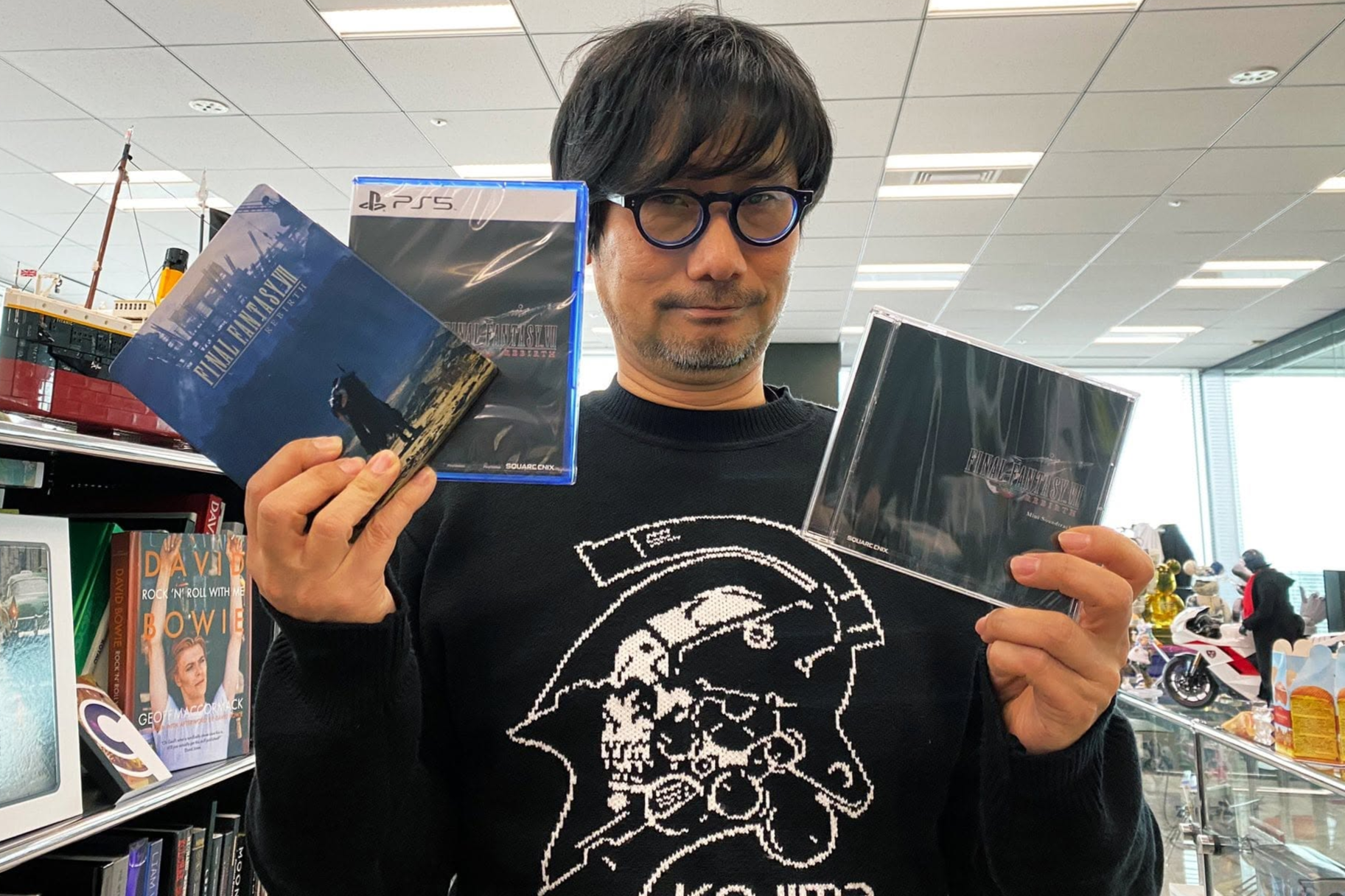
Hideo Kojima has joined the growing discussion around Sony Interactive Entertainment’s decision to end physical disc production for new PlayStation games in January 2028, and his response goes beyond simple nostalgia. Speaking during Italy’s Il Cinema in Piazza film festival, the Metal Gear Solid and Death Stranding creator said he was saddened by the decline of physical media, but warned that the next stage of the digital transition could be even more dangerous if games move fully toward cloud streaming. The full exchange was shared through the Il Cinema in Piazza video and translated by Genki JPN.
"I find it really sad."
— Hideo Kojima
Sony’s own PlayStation Blog announcement confirmed that physical disc production for all new games releasing on PlayStation consoles will end starting January 2028. After that point, new releases will be sold through the PlayStation Store and retailers in digital formats only. Sony also clarified that the change does not affect games already released or games scheduled to release on disc before January 2028.
Kojima separated digital downloads from cloud streaming in an important way. With current digital game purchases, players still download the game data to their own console or storage device. That does not give the same ownership flexibility as a disc, but it does leave a local copy of the software on user hardware. In a streaming model, the player only accesses data from remote servers, which means the game can disappear if the service, company, licensing agreement, or regional access changes.
"You do not actually possess the data yourself."
— Hideo Kojima
That warning is especially relevant because film and television have already moved much further into subscription streaming than games. Kojima compared the situation to services such as Netflix and Amazon, where users pay for access but do not hold the underlying data. If content is removed from a platform, customers may lose access regardless of personal preference, cultural value, or emotional attachment.
Kojima’s concern is not only about convenience. It is about preservation, control, and continuity. Physical media can be stored, collected, resold, lent, archived, and accessed without depending entirely on an active storefront. Digital downloads reduce some of that control, but cloud gaming removes the local copy entirely, leaving the player dependent on infrastructure they do not own.
"That is what is frightening."
— Hideo Kojima
The comments stand out because Kojima has deep ties to Sony. After leaving Konami, Kojima Productions released Death Stranding first through PlayStation, and Kojima is also working with Sony on Physint, a new action espionage project announced as a collaboration with PlayStation. At the same time, Kojima is also developing OD with Xbox Game Studios and has previously described that project as using Xbox cloud gaming technology to create a new type of experience.
That makes his warning more nuanced. Kojima is not rejecting cloud technology as a creative tool. He is warning that when streaming becomes the only delivery model, the balance of control shifts heavily away from the player. A cloud powered game can be innovative, but a cloud only industry could make access, preservation, and ownership far more fragile.
A reversal may still be difficult. Reports citing Sony’s Thalgau facility in Austria indicate that the company has already invested around €30 million into shifting the plant toward optical microlens production. The facility currently produces around 600,000 discs per day, with PlayStation representing about half of that volume, but workers are already being prepared for a future where disc manufacturing plays a much smaller role.
Kojima’s comments therefore arrive at a critical moment. Sony’s move away from new PlayStation discs may be commercially understandable, especially as digital purchasing continues to dominate software sales. However, the conversation is no longer only about plastic boxes or collector shelves. It is about what happens when games become licenses, when licenses become streams, and when streams become temporary access controlled by servers.
Kojima is right to frame cloud gaming as the more serious long term concern. The end of new PlayStation discs is a major loss for ownership, retail competition, and preservation, but digital downloads still give players some local control. Once the industry moves fully into streaming, even that limited control disappears.
For gamers, the key issue is not whether digital access is convenient. It clearly is. The real question is whether convenience should replace every other model. A healthy gaming ecosystem should support digital downloads, physical media, limited collector releases, local backups, backward compatibility, and cloud gaming as options rather than forcing every player into one corporate controlled pipeline.
Sony may believe the numbers justify the move, but culture is not only measured through sales percentages. Games are creative works, technical achievements, personal memories, and historical artifacts. If access depends entirely on servers, licensing agreements, and regional business decisions, then preservation becomes a feature controlled by corporations rather than a responsibility shared with players.
Cloud gaming can still have a future, especially for instant access, demos, low end devices, and experimental projects such as OD. The danger begins when cloud access becomes the only future. Kojima’s warning matters because it comes from a creator who understands both the artistic potential of new technology and the cultural risk of losing control over the media we love.
Would you accept a fully digital PlayStation future if downloads remain available, or is cloud only gaming the real line the industry should never cross?
