
Sony Will End New PlayStation Game Discs in 2028 as Digital Distribution Takes Over
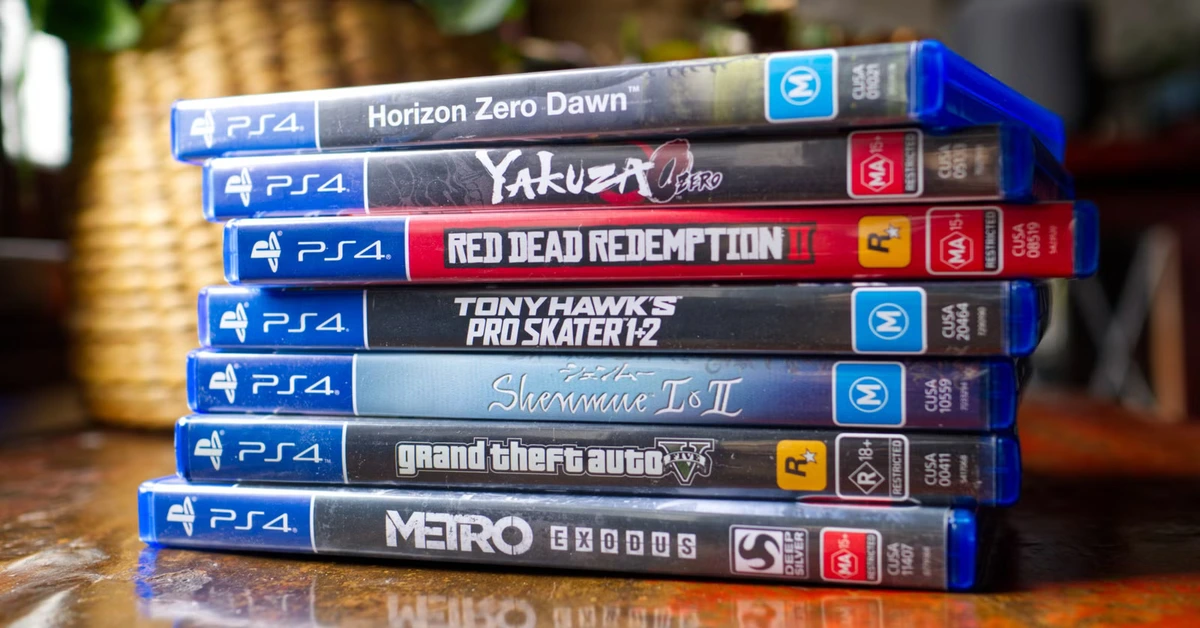
Sony Interactive Entertainment has confirmed that physical disc production for all new games releasing on PlayStation consoles will end in January 2028, marking one of the most significant transitions away from physical media in console gaming history.
According to the official PlayStation Blog announcement, games launching from January 2028 onward will be distributed through the PlayStation Store and through retailers in digital formats only. Sony stated that the decision reflects changing consumer preferences, with demand for digital entertainment now significantly exceeding demand for physical discs.
“As consumer preferences and the broader entertainment industry continue to shift away from physical discs to digital, physical game disc production for all new games releasing on PlayStation consoles will be discontinued starting January 2028.”
Quote by: Sony Interactive Entertainment
The policy only applies to new games released from January 2028. Games that launch before that date with a physical edition will not be affected, while existing PlayStation 4 and PlayStation 5 discs will continue to function on compatible hardware. Sony has not announced any changes to disc ownership, installation, or backward compatibility for games already available.
The company also confirmed that retailers will continue selling games, but future products will use digital formats rather than playable discs. Sony has not detailed exactly how these retail releases will be presented, leaving room for download cards, redeemable codes, collector packages, and boxes containing digital entitlements.
Grand Theft Auto VI has already demonstrated what that retail future could look like. Rockstar Games recently confirmed that the boxed version of GTA VI will contain a download code rather than a physical PlayStation 5 or Xbox Series X disc. The package will become available on November 12, 2026, allowing customers to redeem and preload the game before its November 19 launch.
Sony has been preparing players for a more digital ecosystem since the PlayStation 5 generation began. The PlayStation 5 Digital Edition launched alongside the standard console in November 2020 without an optical drive. Sony later introduced a slimmer Digital Edition that could use a separately purchased detachable disc drive, giving customers the option to add physical compatibility after buying the console.
The January 2028 deadline will naturally create questions about PlayStation 6, but Sony has not formally announced its next console or confirmed whether it will include an internal or optional disc drive. Ending new disc production does not automatically prevent future hardware from supporting older PlayStation discs, Blu ray films, or an existing physical game library.
However, the decision makes a disc drive less important for future releases. Should Sony retain optical support, its primary value could shift toward backward compatibility and media playback rather than newly published games.
The move could also influence the cost and design of Sony’s next hardware, the estimated PlayStation 6 bill of materials may be approaching 1,000$, largely because of rising memory, storage, and semiconductor expenses. That estimate remains an unconfirmed hardware rumor and does not represent an official retail price, but removing an integrated disc drive could simplify manufacturing and reduce part of the system cost.
Microsoft may be considering a similar direction. Windows Central reports that its sources expect the next Xbox console, officially known during development as Project Helix, to launch without a disc drive. Microsoft has confirmed that Project Helix is in development with a custom AMD processor and that early hardware will be sent to developers beginning in 2027, but the company has not officially confirmed its physical media strategy.
Previous reporting has also pointed toward a possible Xbox disc conversion initiative called Positron, which could potentially provide digital access to games originally purchased on disc. Details remain extremely limited, and Microsoft has not announced how such a system would verify ownership, prevent repeated conversions, or protect second hand purchases.
Alongside the disc announcement, Sony confirmed that it will close the PlayStation Store on PlayStation 3 and PlayStation Vita. The PlayStation 3 store will close in Mexico, Honduras, and Nicaragua beginning in August 2026, followed by additional Latin American and Middle Eastern countries in late 2026. The store will then close on PlayStation 3 and PlayStation Vita across all remaining markets in July 2027.
Players will no longer be able to purchase new content through those systems after the closures, but Sony says previously purchased games and downloadable content will remain available for download for the foreseeable future.
The combination of store closures and the end of new disc production places increasing importance on account access, platform infrastructure, licensing agreements, and Sony’s long term preservation policies. A disc can continue existing independently of an online storefront, while a digital purchase remains connected to platform authentication and download services.
The convenience of digital distribution is undeniable. Players can preorder, preload, switch between games without changing discs, and access their libraries across compatible systems. Publishers also avoid the expense of disc manufacturing, packaging, shipping, inventory management, and unsold retail stock.
However, convenience is not the same as ownership. Removing physical discs reduces the ability to lend games, resell purchases, buy affordable second hand copies, preserve original versions, and access content independently of a digital account.
Sony’s promise that previously purchased PlayStation 3 and PlayStation Vita content will remain downloadable for the foreseeable future is welcome, but the phrase does not provide a permanent preservation guarantee. The same concern will eventually apply to every digital PlayStation generation.
GTA VI proves that a retail box can survive without physical media inside it. Sony’s announcement confirms that this model will become the standard for new PlayStation releases after January 2028. The industry may view this as an efficient response to customer behavior, but players are also losing one of the last practical forms of control over the games they purchase.
Will Sony’s decision to end new PlayStation discs change where you purchase games, or have you already moved entirely to digital releases?
