
Google Is Pulling DDR4 From Retired Servers to Keep New AI Infrastructure Running
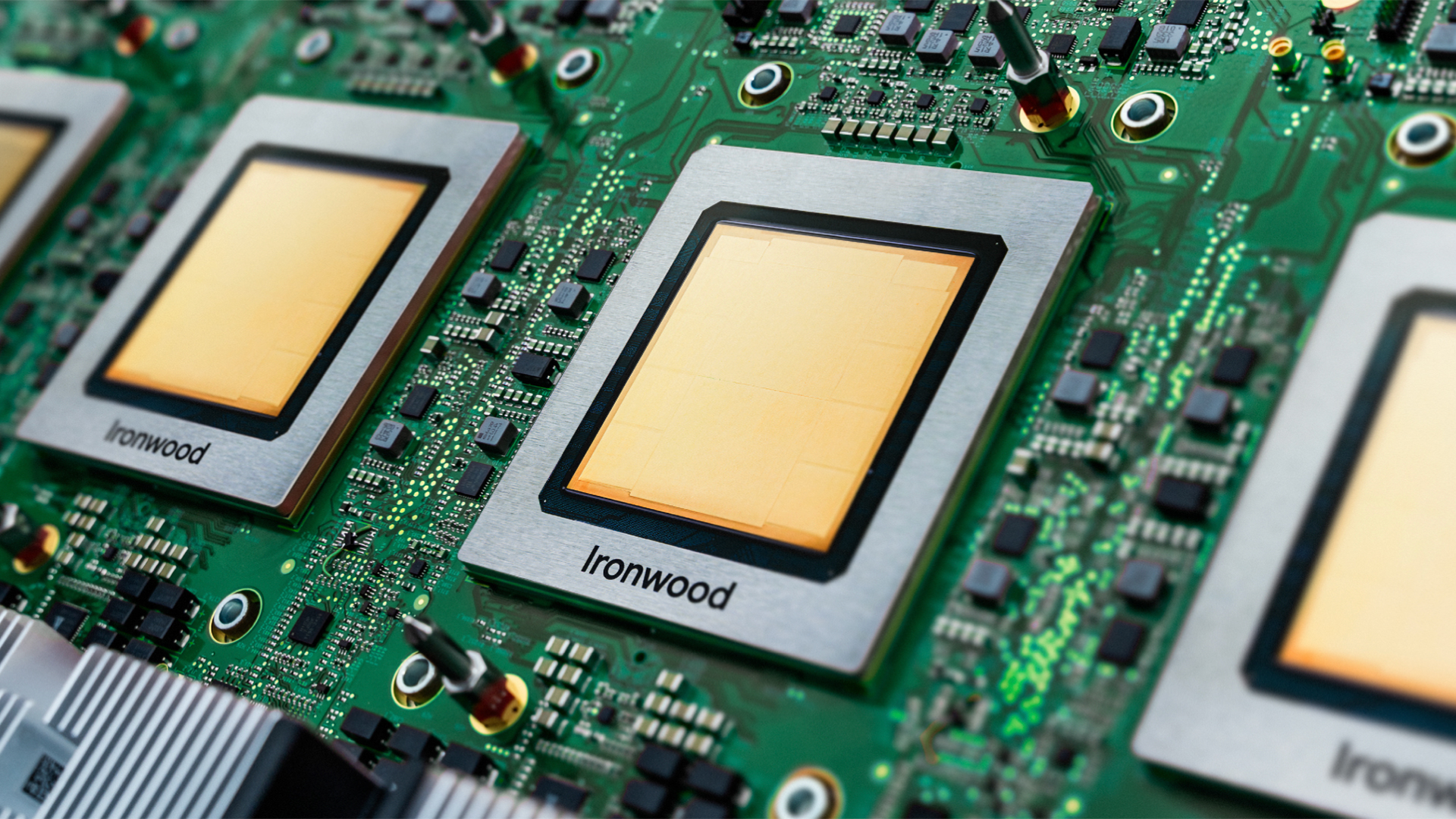
Google is taking an unusual approach to the global memory shortage by recovering DDR4 modules from retired servers and integrating them into newer AI infrastructure as hyperscalers struggle to secure enough DRAM capacity for rapidly expanding artificial intelligence workloads.
During the SEMICON Taiwan 2026 Memory Executive Summit, Google Cloud Senior Director of Supply Chain Infrastructure Nikhil Cherian explained that AI infrastructure has shifted from being primarily constrained by computing performance to being increasingly constrained by memory. High performance memory, including HBM and advanced DRAM, now represents the dominant hardware cost inside AI servers, with reports citing more than 75% of the system bill of materials in some configurations.
Google is responding through both hardware and software optimization. The company is dismantling retired servers and recovering usable components, including DDR4 memory, effectively creating an internal component recycling supply chain. Google has also developed interface adaptations that allow older generation DRAM such as DDR4 to operate within newer server infrastructure. According to China Flash Market, Google is even bringing retired systems back into its infrastructure specifically to recover usable DDR4 modules as memory availability becomes increasingly important.
The strategy builds on Google's existing hardware harvesting program, which already focuses on redeploying usable components from older systems instead of automatically replacing entire machines with new hardware. However, using recovered DDR4 inside new AI infrastructure gives that initiative significantly greater importance as AI demand places unprecedented pressure on global DRAM production.
Google is simultaneously attacking the memory bottleneck at the processor level. Its TPU 8i accelerator, designed primarily for inference and reinforcement learning workloads, carries 288 GB of HBM and 384 MB of on chip SRAM. Google says the expanded SRAM allows larger KV Cache workloads to remain closer to the processor, reducing memory movement and keeping the accelerator active instead of waiting for data. The TPU 8i provides approximately 8.6 TB/s of HBM bandwidth and uses Google's Axion Arm processors as the CPU host architecture.
Software optimization is another part of the strategy, with Google working on model architecture, underlying libraries and KV Cache compression to reduce the amount of memory required for each unit of compute. Even those improvements may not completely solve the problem if AI infrastructure continues expanding faster than memory manufacturers can add production capacity.
The pressure is already visible across the wider market. DDR4 pricing has been forecast to rise as much as 50% during Q3 2026 as manufacturers shift resources toward HBM and more advanced DRAM, while Korean DRAM export prices have climbed sharply under accelerating AI demand. The unusual situation means older DDR4 is no longer simply legacy technology. In environments where capacity matters more than maximum memory bandwidth, existing DDR4 inventory can become a valuable infrastructure resource.
Google recovering DDR4 from retired servers shows how aggressively AI is changing the economics of memory. The industry spent years treating DDR4 as technology approaching retirement, yet constrained production and massive hyperscale demand are giving those modules an unexpected second life.
The bigger signal is that the AI race is no longer defined only by who can purchase the most GPUs or TPUs. Memory availability, bandwidth, power efficiency and supply agreements are becoming equally important strategic assets. If companies as large as Google are designing infrastructure around reclaimed DDR4, the global DRAM shortage is clearly influencing architecture decisions rather than simply increasing component prices.
If hyperscalers are already recycling DDR4 to keep AI infrastructure expanding, how much longer do you think the current memory shortage can continue before it begins significantly affecting mainstream PC and gaming hardware availability?
