
Tomb Raider: Legacy of Atlantis Gamescom Demo Adds Scanner, Grapple and Skill Tree
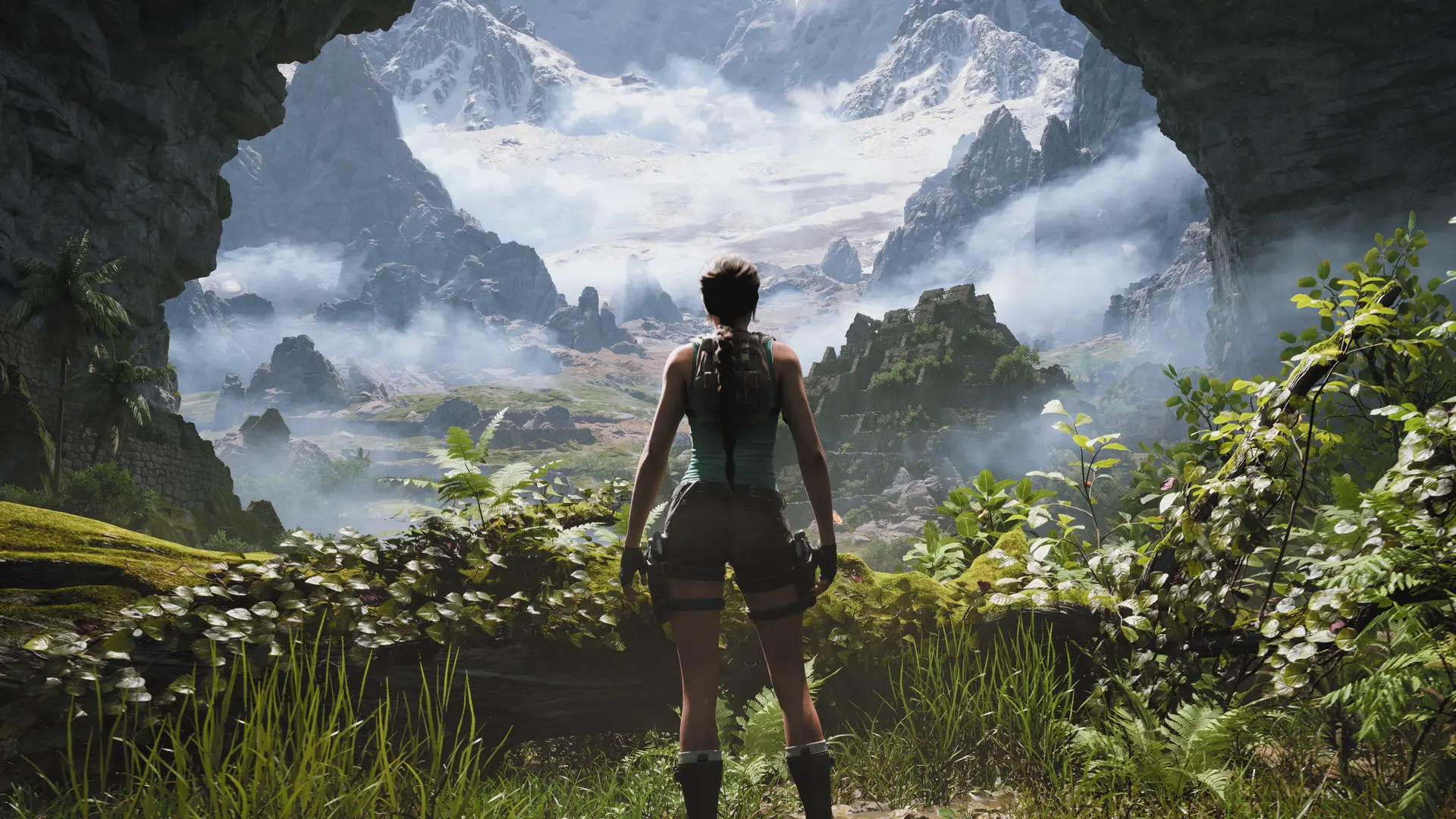
Tomb Raider: Legacy of Atlantis received a substantial new showcase during Gamescom 2026, with Crystal Dynamics and Flying Wild Hog presenting a behind closed doors look at the reimagined Greece section and revealing several systems that significantly expand Lara Croft's original 1996 adventure.
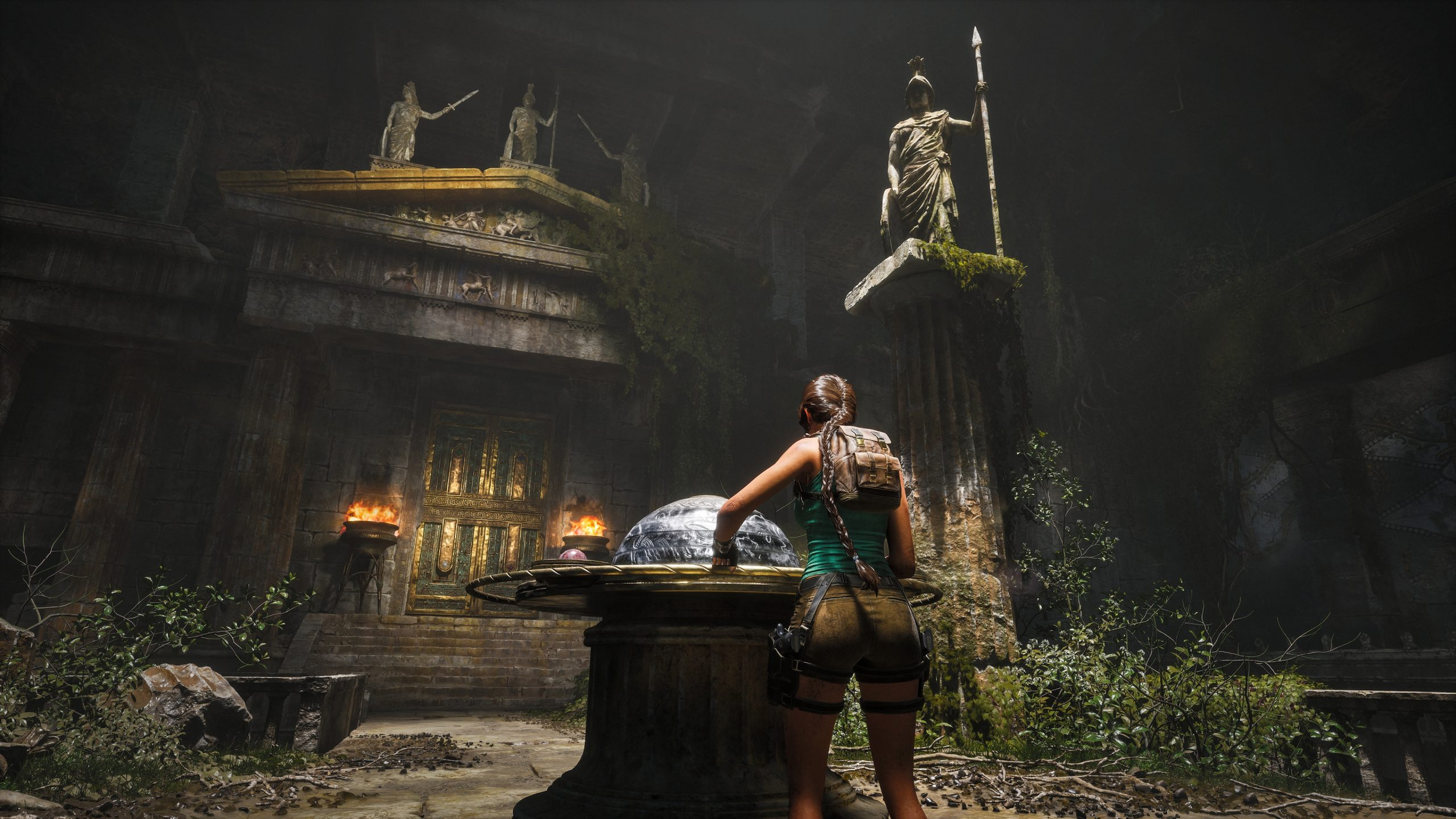
The demonstration was running on a pre alpha build and took players beneath St. Francis' Folly, where Lara is searching for the second fragment of the Scion while competing against returning rival Pierre. The Greece environment retains the towering ruins, ancient architecture and wilderness associated with the original game, but its structure has been considerably expanded to accommodate new traversal options, puzzles and exploration mechanics. Crystal Dynamics has since confirmed through its official Gamescom 2026 update that press were shown redesigned Greek puzzles and new gameplay systems.
Legacy of Atlantis is now scheduled to launch on February 12, 2027, for PlayStation 5, Xbox Series X|S, PC through Steam and Nintendo Switch 2, following its earlier 2026 target. The revised date was officially announced alongside preorders in June, after the project had previously continued to carry a 2026 release window.
One of the more notable additions shown at Gamescom is Lara's scanner. The device can identify objects within the environment, provide additional historical information and offer assistance with puzzles. Importantly, the scanner is optional, meaning players who want the more demanding exploration experience associated with classic Tomb Raider can largely ignore its puzzle guidance. This follows the broader design philosophy previously discussed by the developers, where puzzle and combat difficulty can be configured separately to give players more control over how much assistance they receive.
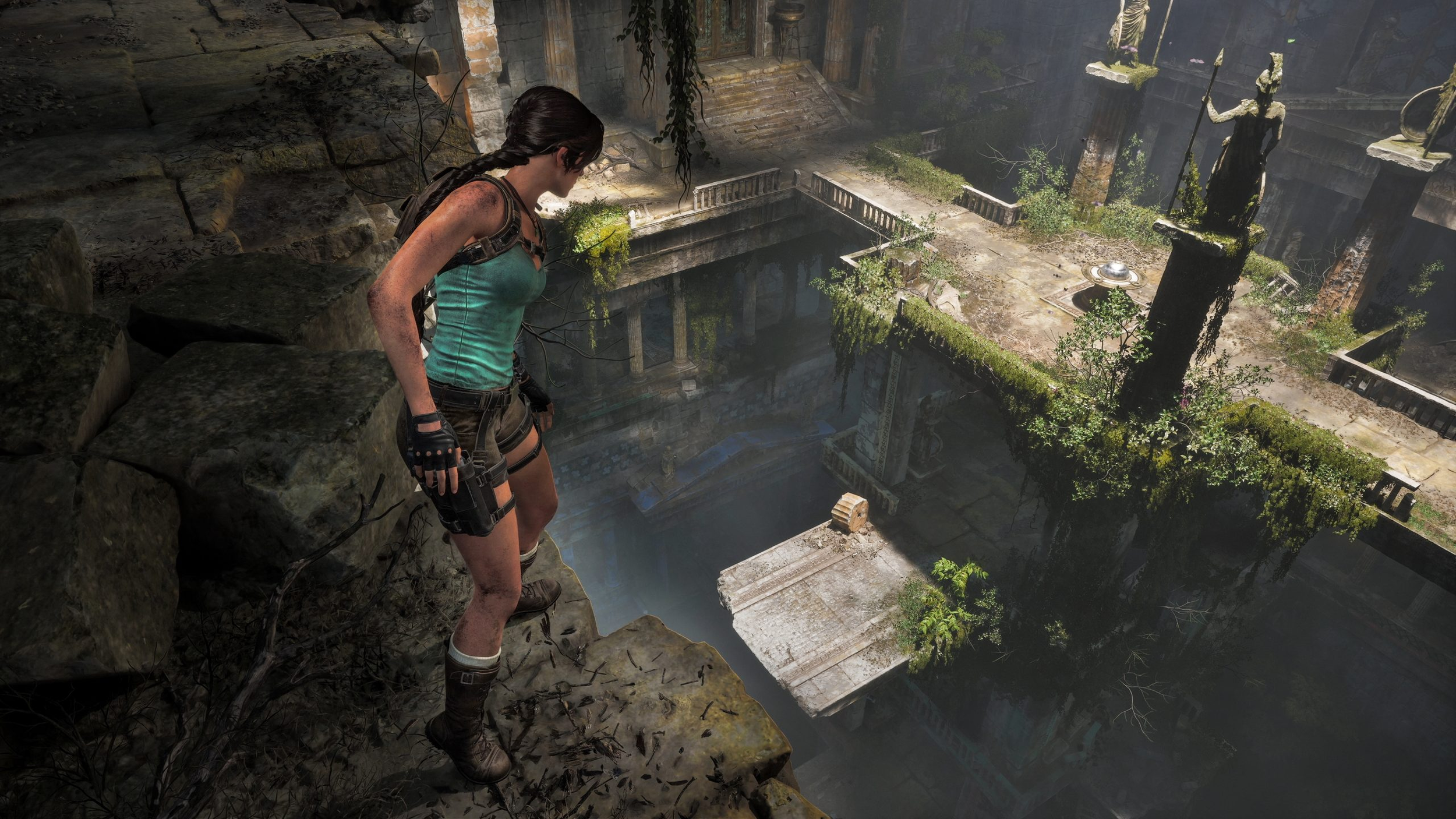
The grapple has also evolved into something considerably more versatile than a simple traversal mechanic. Lara can use it to cross gaps, access swing points, manipulate environmental objects and create anchored lines that allow her to move vertically through certain areas. The expanded system gives level designers more freedom to create alternate paths through environments instead of relying on a single predetermined route. Lara's traditional acrobatic movement remains part of the experience as well, with optional traversal flourishes available for players who want the classic Croft spectacle while speed focused players can move through sections more directly.
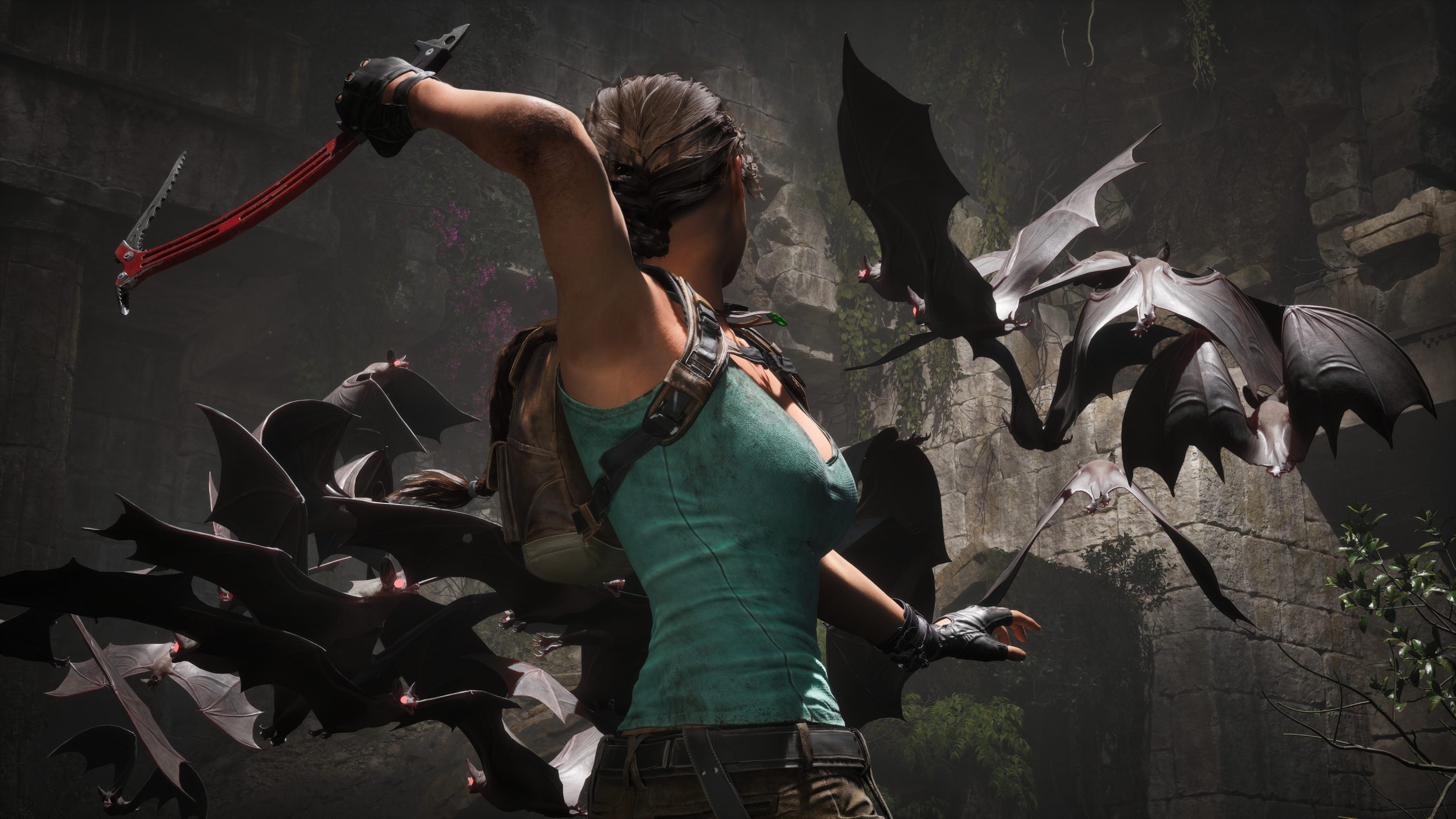
Combat is receiving an equally substantial redesign. Lara still relies heavily on her iconic dual pistols, but weapons can now be upgraded across characteristics including accuracy, ammunition capacity and firing performance. The Focus system also returns as an important part of combat, allowing Lara to temporarily slow time and fire while performing acrobatic movements. Earlier playable demonstrations showed Focus building through combat before Lara could spend it to perform evasive flips and fire at enemies while time slows around her.
Gamescom also provided a clearer look at the new skill tree. During the Sword of Damocles sequence, the demonstration showed Lara unlocking the Deadeye ability to extend her effective shooting range. That allowed the player to shoot down distant swords before entering their danger zone, creating an alternative solution to simply navigating through the trap after triggering it.
That example is particularly important because it illustrates how Legacy of Atlantis is approaching its remake philosophy. Familiar rooms and puzzles remain recognizable, but additional mechanics can change how players solve them. The Sword of Damocles room still revolves around enormous blades and environmental hazards, but players may now interact with those dangers from a distance rather than following exactly the same sequence demanded by the original game.
Crafting is another major change. Instead of relying exclusively on medpacks conveniently placed throughout ancient ruins, Lara can gather materials from the environment and combine them into healing supplies and temporary enhancements. One example shown during the demonstration reduced damage received from traps, potentially giving more cautious players another way to prepare for difficult exploration sections. Earlier previews had already indicated that collectible materials would form an important part of exploration, and the Gamescom demonstration now provides a clearer idea of how those resources feed into Lara's survival systems.
Relics also return as exploration rewards, but Legacy of Atlantis is putting greater emphasis on historically grounded artifacts. Discovering these items can provide additional rewards while reinforcing Lara's identity as an archaeologist rather than turning exploration entirely into progression hunting. Cosmetic outfits remain separate from gameplay statistics and can be changed without affecting Lara's abilities.
The developers are also using Legacy of Atlantis to connect different interpretations of Lara Croft. Rather than positioning this version as completely disconnected from the Survivor games, Crystal Dynamics describes her as an older and significantly more experienced Lara who has already developed into the highly capable adventurer associated with the classic games. The result is effectively a Lara at the height of her abilities, retaining the experience established by the Survivor timeline while incorporating the confidence, acrobatics and dual pistol combat traditionally associated with the character.
Enemy placement is being reconsidered around that same philosophy. Animal encounters remain important, but human opponents are intended to appear where their presence makes narrative and environmental sense rather than turning exploration into continuous firefights. The developers have repeatedly emphasized that traversal, puzzles and combat should feel like parts of the same Lara Croft experience rather than disconnected gameplay systems.
Legacy of Atlantis is increasingly looking less like a traditional remake and more like Crystal Dynamics asking what the original Tomb Raider might have become if its environments had access to 30 years of additional game design.
The scanner could easily become controversial if its guidance becomes too intrusive, while crafting and skill trees risk pushing the experience closer to modern action adventure conventions. The important distinction is that most of these systems appear designed to expand player choice rather than completely replace the original structure.
The grapple and revised puzzles are particularly promising because they directly support what Tomb Raider has historically done best: giving players spaces that feel dangerous, vertical and worth understanding. Allowing different solutions to familiar traps could modernize the game without eliminating the satisfaction of learning an environment.
The biggest challenge will be restraint. Legacy of Atlantis does not need every modern progression mechanic simply because the technology allows it. If Crystal Dynamics and Flying Wild Hog can keep exploration and puzzle solving at the center while using the new systems to complement Lara's movement instead of overwhelming it, this could become a far more ambitious reinterpretation of the 1996 classic than its remake label initially suggested.
Do the scanner, crafting and skill tree sound like meaningful improvements for Tomb Raider, or would you rather Legacy of Atlantis stay closer to the simpler progression of the 1996 original?
