
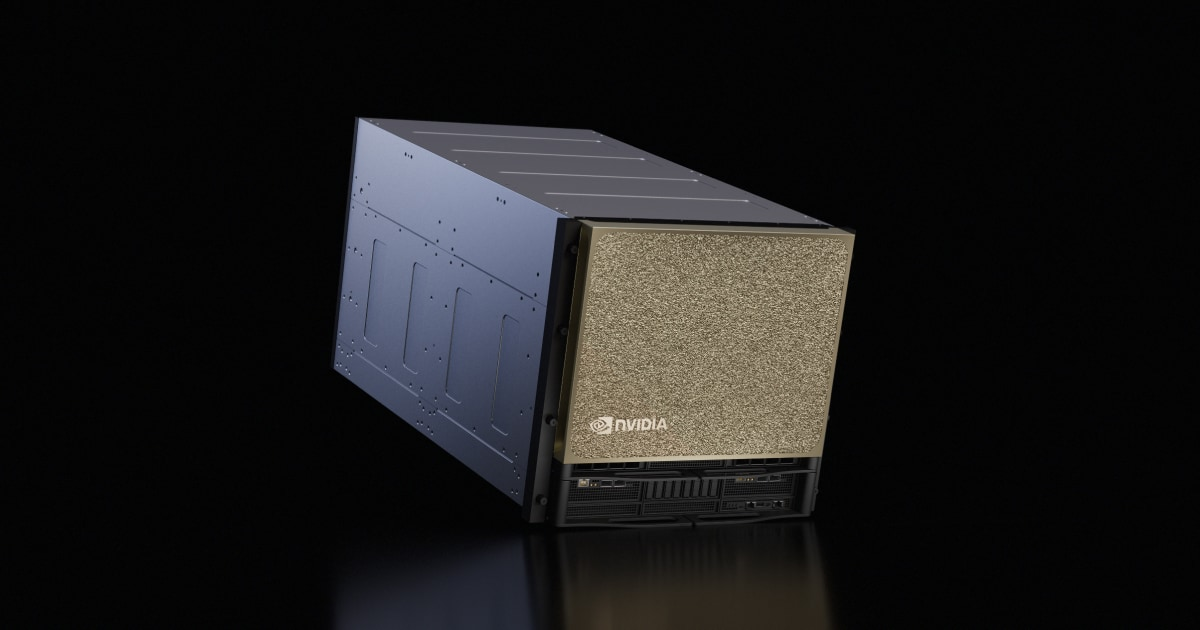
Despite increasingly stringent United States semiconductor export restrictions, NVIDIA's Blackwell Ultra B300 AI servers are reportedly being offered through China's gray market for between $3 million and $3.4 million per system. The asking prices represent approximately 5 to 6 times the estimated cost of equivalent hardware in the United States, highlighting the growing demand for advanced AI accelerators and persistent challenges surrounding export control enforcement.
According to an investigation by The Washington Post, electronics merchants in Shenzhen continue offering restricted NVIDIA hardware. However, the publication could not independently verify the authenticity of the advertised B300 systems or confirm completed transactions.
The reported asking prices have increased substantially throughout 2026. In April, Reuters reported that B300 servers were approaching $1 million in China, as stronger enforcement against unauthorized semiconductor exports constrained available inventory.
According to NVIDIA's official technical documentation, a standard B300 server configuration incorporates 8 Blackwell Ultra GPUs, each featuring 288 GB of HBM3E memory, providing approximately 2.3 TB of combined GPU memory for demanding AI training and inference workloads.
| Specifications | NVIDIA Blackwell B300 Server |
|---|---|
| Architecture | Blackwell Ultra |
| GPU Configuration | 8x B300 |
| Memory Per GPU | 288 GB HBM3E |
| Combined GPU Memory | 2,304 GB |
| Estimated US Price | $500,000 to $600,000 |
| Reported China Price in April 2026 | $1 million |
| Current Reported China Asking Price | $3 million to $3.4 million |
| Estimated Price Multiple | Approximately 5x to 6x |
The investigation follows previous reports identifying 32 restricted NVIDIA B300 GPUs operating on infrastructure associated with China Telecom, alongside ongoing investigations into the unauthorized distribution of advanced AI servers.
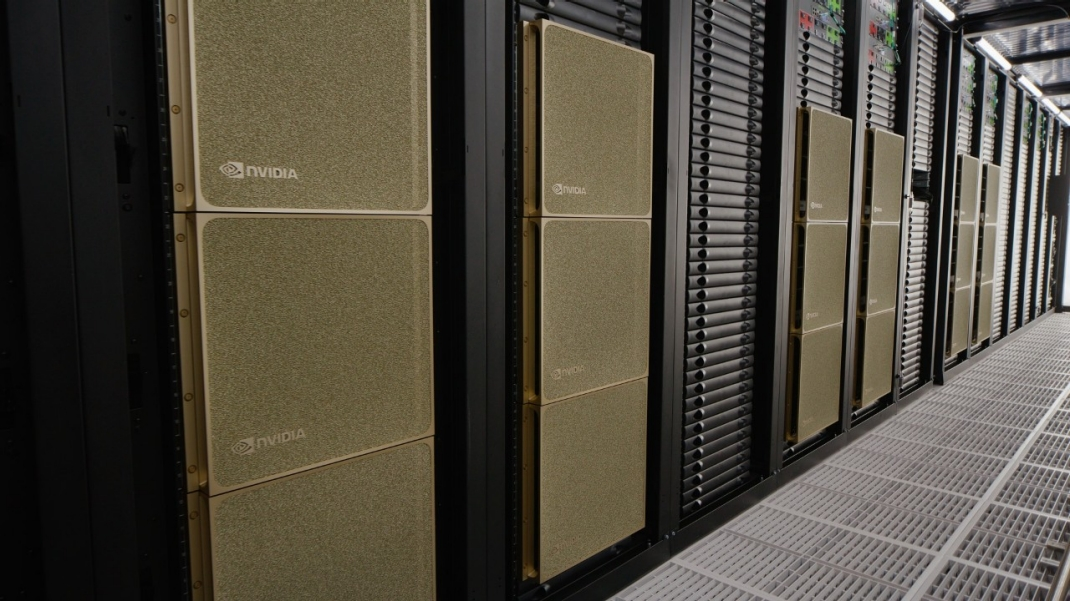
The United States has also expanded its semiconductor restrictions through a new Bureau of Industry and Security regulation, effective November 19, 2026, targeting remote access to advanced American AI computing infrastructure.
While these measures aim to restrict China's access to advanced computing capabilities, the substantial price premiums demonstrate that demand for NVIDIA hardware remains strong despite growing investment in domestic semiconductor alternatives.
The continued appearance of restricted NVIDIA hardware in China raises legitimate questions about the effectiveness of semiconductor export controls. While these policies can increase acquisition costs and limit supply, they have not completely eliminated unauthorized distribution.
Meanwhile, NVIDIA is reportedly preparing to reduce gaming GPU supply by 20% to 30% through January 2027, leaving consumers increasingly exposed to hardware shortages and inflated prices.
The semiconductor industry must establish a healthier balance between enterprise AI demand and consumer computing. Gamers, independent developers, researchers, and local AI enthusiasts should not bear the financial consequences of speculative AI infrastructure expansion, geopolitical disputes, and increasingly constrained production allocations.
Greater manufacturing competition, transparent distribution practices, and consistent consumer hardware availability remain essential to maintaining a sustainable global computing ecosystem.
Do you believe semiconductor export restrictions are achieving their intended objectives, or are they primarily creating profitable gray markets while contributing to global hardware pricing pressures?
