
EA Shuts Down BioWare and Cancels Mass Effect as 400 Jobs Are Cut Following $55 Billion Buyout
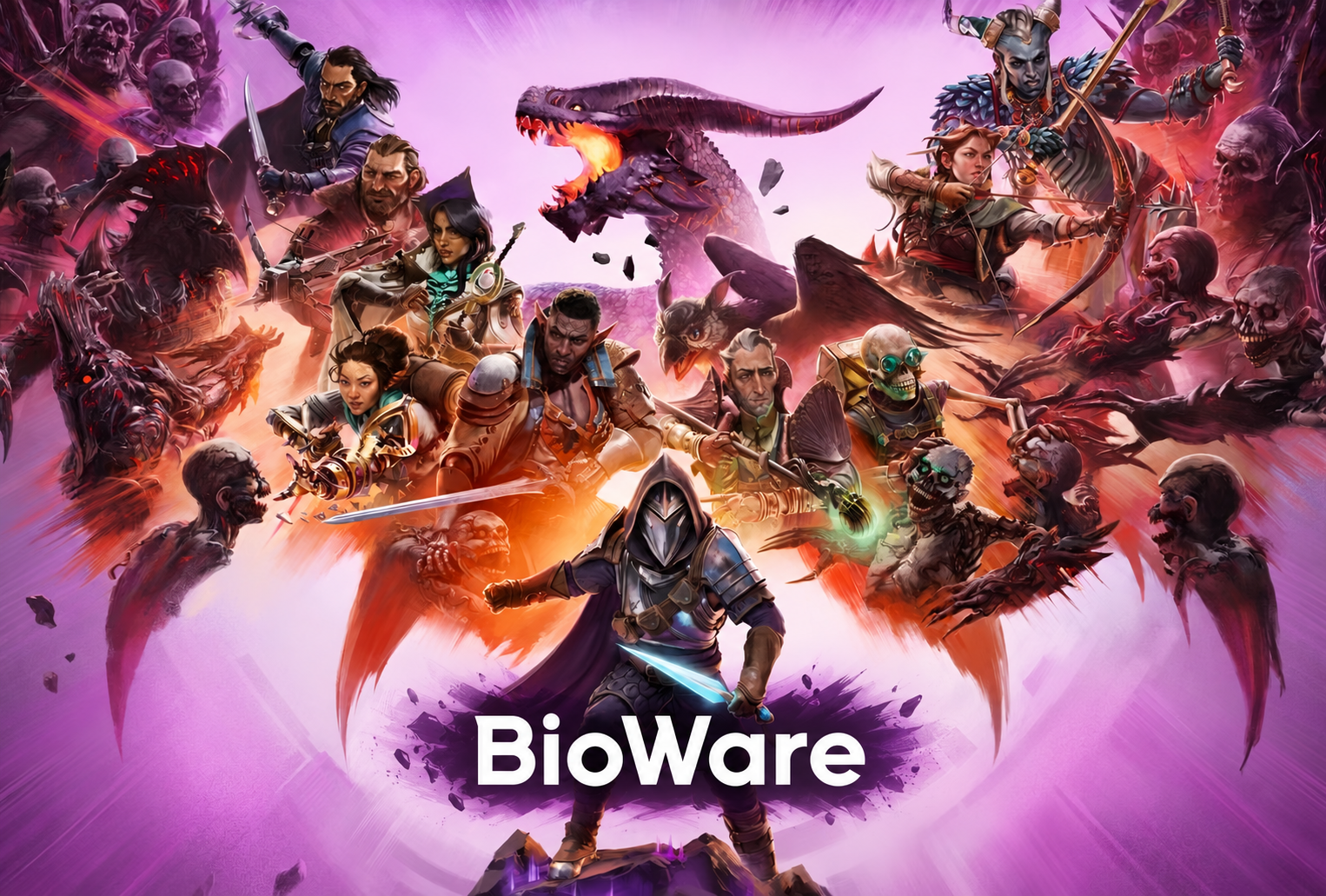
Electronic Arts has officially announced the closure of BioWare, ending more than 30 years of game development history and canceling the next Mass Effect project. The decision comes alongside approximately 400 layoffs across EA, just 2 months after the publisher completed its $55 billion acquisition by an investment consortium led by Saudi Arabia's Public Investment Fund, Silver Lake and Affinity Partners.
According to Bloomberg, approximately 50 employees at BioWare will lose their jobs, with another 350 positions being eliminated across EA's broader operations. The Canadian studio had already experienced significant workforce reductions, leaving a small development team working on the next Mass Effect. The project was still in early production when EA decided to terminate development and close BioWare's Edmonton facility.
In an official statement published October 21, 2026, the studio confirmed the closure and thanked the developers and players who helped establish its legacy.
"Now, after more than three decades of shared adventures, BioWare is closing and early development on the next Mass Effect project is ending."
— Quote by: BioWare
EA Restructuring Overview
| Category | Reported Details |
|---|---|
| Total Workforce Reduction | Approximately 400 employees |
| BioWare Layoffs | Approximately 50 |
| Additional EA Layoffs | Approximately 350 |
| Acquisition Value | $55 billion |
| Acquisition Completed | August 2026 |
| Next Mass Effect | Canceled |
| BioWare Studio | Closing |
Layoff figures are based on Bloomberg's reporting, while EA and BioWare have officially confirmed the studio closure and cancellation.
The closure marks the end of one of the most influential RPG developers in gaming history. Founded in 1995 and acquired by EA in 2007, BioWare helped shape modern role playing games through franchises including Baldur's Gate, Neverwinter Nights, Star Wars: Knights of the Old Republic, Dragon Age and Mass Effect. Its reputation was built on cinematic storytelling, meaningful player decisions and companion relationships that influenced generations of RPG developers.
However, the studio experienced significant commercial difficulties during its later years. Mass Effect: Andromeda received a mixed reception in 2017, while Anthem struggled to establish a sustainable audience following its 2019 launch. Dragon Age: The Veilguard, released in 2024, also failed to meet EA's commercial expectations. These setbacks reduced BioWare's development resources and complicated plans for its next major project.
The canceled Mass Effect had originally been announced in 2020, with expectations surrounding the franchise's future gameplay direction, narrative structure and potential return to the original trilogy's universe. EA has not announced plans to transfer development to another studio, although the cancellation does not necessarily mean the end of the Mass Effect intellectual property.
In its corporate restructuring announcement, EA outlined a strategy focused on fewer major projects with stronger commercial potential. Development will continue on Marvel's Iron Man, the next Star Wars Jedi installment, Battlefield and Apex Legends. Meanwhile, The Sims Project Lotus has been paused, and the Skate development team is being reduced.
The restructuring follows EA's $55 billion leveraged buyout, which reportedly added approximately $18 billion in debt to the publisher's financial obligations. Although the timing raises questions about acquisition related cost reductions, EA has not explicitly attributed BioWare's closure to the buyout. The company says its decisions reflect changing market conditions and a greater focus on sustainable growth.
BioWare's closure represents a significant loss for the gaming industry, particularly for players who value narrative driven RPGs built around meaningful choices and memorable characters. Few studios have influenced the genre as profoundly, and its disappearance highlights the increasing financial pressure facing developers responsible for expensive, long term creative projects.
While BioWare's recent commercial difficulties cannot be ignored, canceling Mass Effect also eliminates an opportunity to rebuild one of gaming's most recognizable science fiction franchises. The decision reflects a broader industry shift toward concentrating investment in established, commercially predictable projects rather than supporting creative development with uncertain returns.
EA's challenge will be demonstrating that its restructuring improves long term stability without sacrificing the creative talent and originality responsible for building its most valuable franchises.
Do you believe EA made the right decision by closing BioWare after its recent commercial struggles, or should the studio have received another opportunity to revive Mass Effect?
