
Ex Skyrim Lead Says Mass Effect 5 Should Lean Into a Bethesda Style Open World but BioWare History Suggests Caution
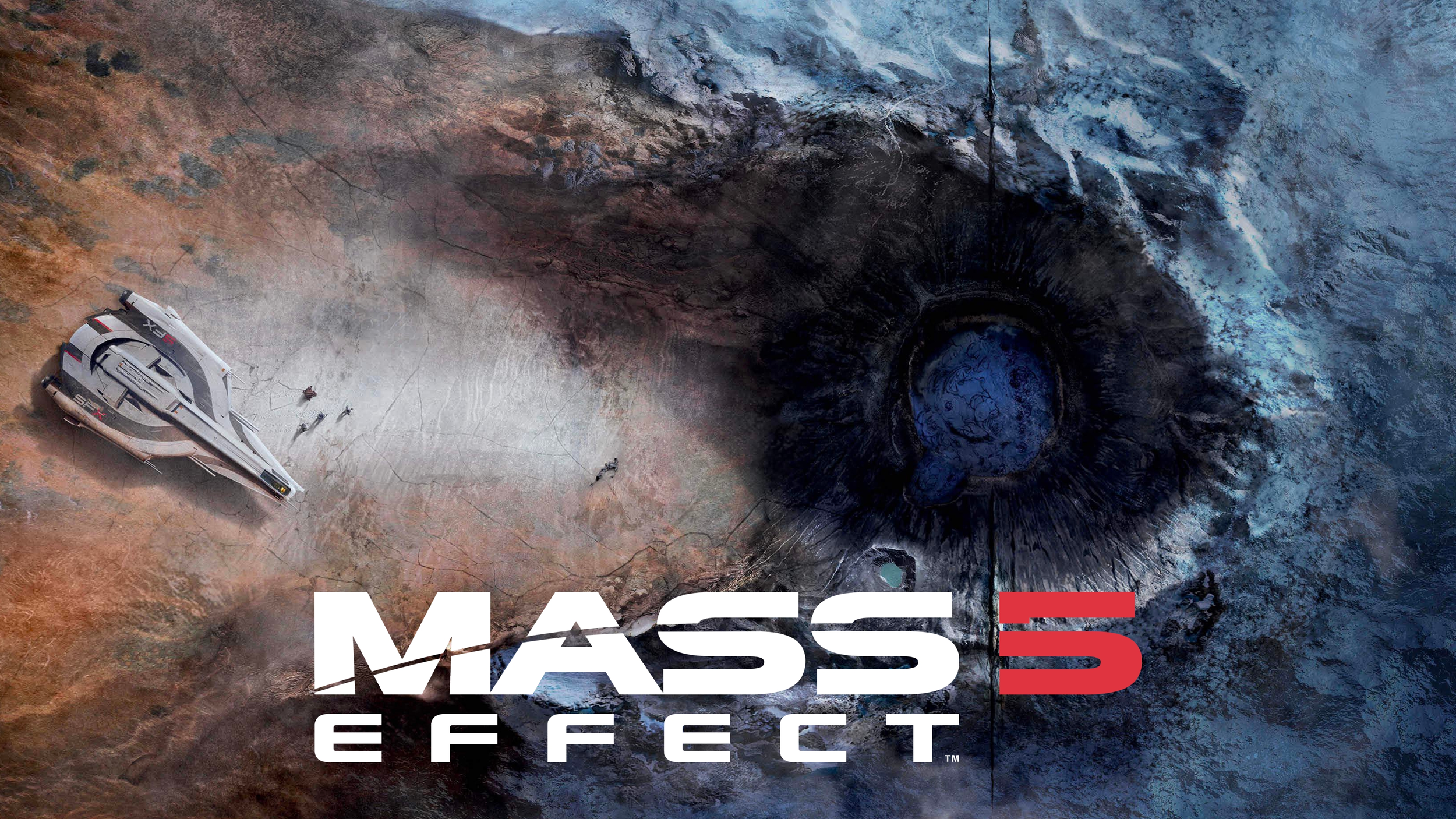
BioWare has been signaling that a new Mass Effect is in development since the first tease in 2020, with a trailer that spotlighted an older Liara T Soni and strongly implied a continuation connected to the original trilogy rather than a direct follow up to 2017’s Andromeda. More than 5 years later, the public picture is still thin: a teaser appeared during N7 Day 2023, and once Dragon Age The Veilguard shipped, BioWare confirmed it would shift to working in earnest on the next Mass Effect rather than producing DLC for The Veilguard. Since then, updates have remained high level, including comments from franchise Executive Producer Mike Gamble suggesting the team still has a lot of universe, features, and romance systems to build, plus community speculation around themes hinted through hidden messaging and artwork.
That lack of clarity is why the structure question keeps coming up: will the next Mass Effect be more linear like the original trilogy, or will it chase open zone or open world design. In an interview with Press Box PR, former Bethesda developer Bruce Nesmith, Lead Designer on The Elder Scrolls V Skyrim, argued that Mass Effect could benefit from going bigger and more systemic. Nesmith’s core critique is that Mass Effect has historically delivered strong characters and storytelling, but its gameplay often felt behind the curve, and he believes BioWare could modernize by turning its lore into a more content heavy, exploratory experience. He also points to lessons from Baldur’s Gate 3, then pivots to the perspective you would expect from a longtime Bethesda creator: he says he would like to see a more Bethesda style approach, suggesting many players want an open world science fiction game with that flavor.
On paper, that pitch sounds like a dream scenario for RPG fans, especially players who want the freedom to roam, discover side stories organically, and build a personal journey across a living galaxy. From a market positioning angle, an open world Mass Effect could also create a longer engagement runway, more room for post launch updates, and potentially a stronger platform for player driven storytelling. But execution risk is the elephant in the room, and it is hard to ignore BioWare’s track record with open world structures. Mass Effect Andromeda leaned into open zone design and is widely seen as the weakest mainline entry in terms of reception. Dragon Age Inquisition delivered a successful overall package but still took heat for its open world zones and pacing, and The Veilguard shifted back toward more guided exploration. Those are not automatic disqualifiers, but they do suggest that building a giant sandbox is not a guaranteed win for BioWare’s strengths, which historically peak when the studio controls pacing, cinematics, companion arcs, and mission scripting.
There is also a broader industry lesson here. Even studios built around open worlds have struggled to make science fiction exploration across many planets feel consistently dense and meaningful. The fantasy template of handcrafted points of interest is easier to sustain than planetary scale travel and procedural sprawl, and players are far less forgiving of empty traversal in 2026 than they were a decade ago. If BioWare goes open world, it needs a hard commitment to density, systemic reactivity, and mission design that avoids filler. If it stays closer to the trilogy structure, it can modernize in other ways: deeper combat sandboxes, better encounter AI, richer hub design, more interlinked side missions, and higher consequence choices that actually reshape outcomes.
The practical read is that Nesmith’s suggestion is valuable as an outside lens, but it is not automatically the right blueprint. Mass Effect 5 can absolutely feel modern without forcing a full open world pivot. The studio’s real strategic unlock is clarity: define what the core loop is, define how exploration supports narrative, and commit to a structure BioWare can execute at a premium quality bar.
Would you rather see Mass Effect 5 stay closer to the original trilogy structure with modern systems, or take the risk on a true open world galaxy if it meant a longer wait and a higher chance of uneven content?
