
NVIDIA Driver 621.01 Brings Advanced Shader Delivery to Call of Duty and Gears of War
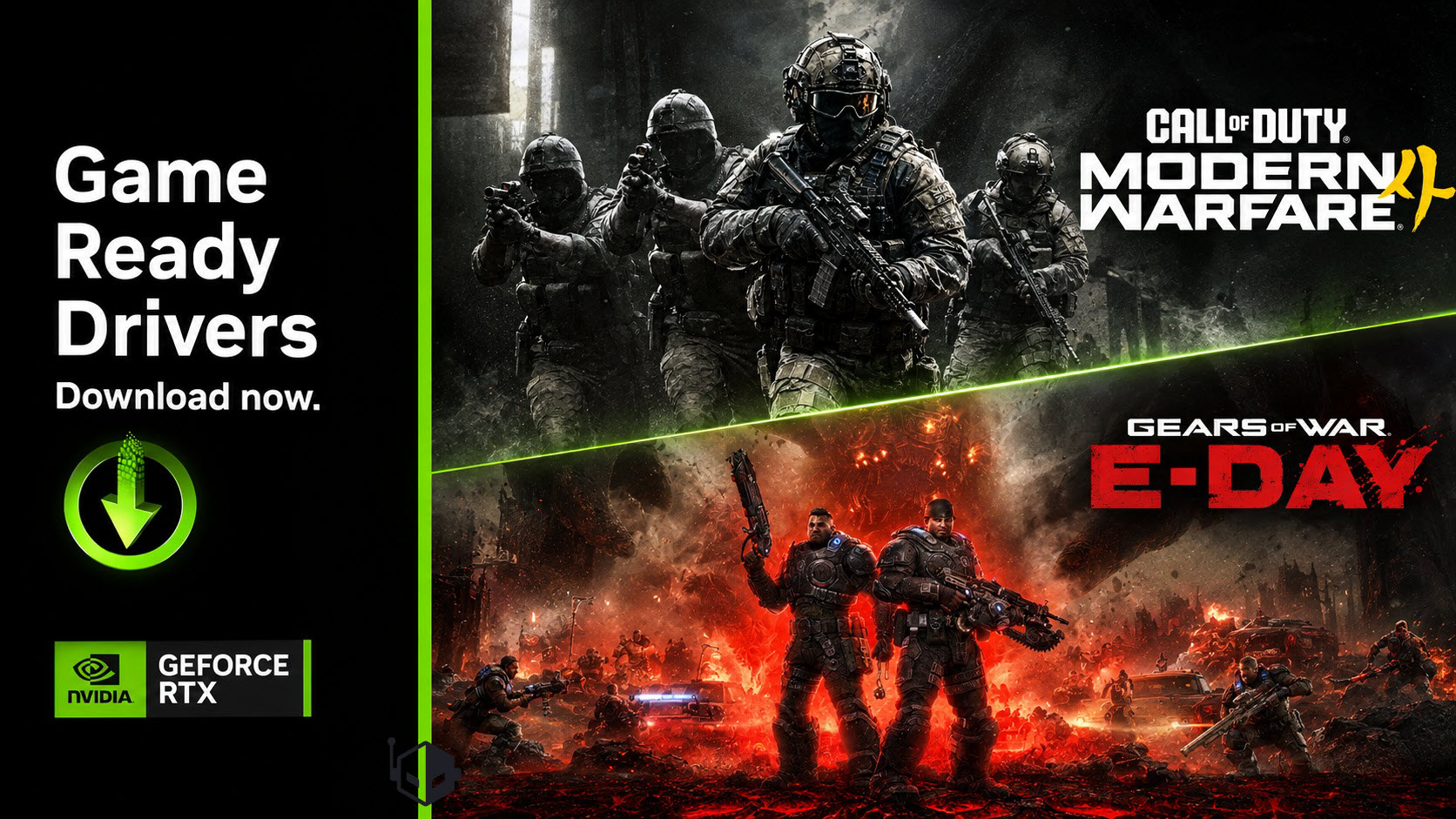
NVIDIA has officially released its GeForce Game Ready Driver 621.01, introducing Microsoft's Advanced Shader Delivery (ASD) technology to GeForce RTX graphics cards and significantly reducing shader compilation times in supported PC games. The update brings the technology to Call of Duty: Modern Warfare 4 and Gears of War: E Day, while also delivering DLSS 4.5 improvements for Cyberpunk 2077, Phantom Blade Zero and several other major releases.
According to NVIDIA's official announcement, Advanced Shader Delivery allows games to download precompiled shaders specifically optimized for a player's GPU and driver configuration. Instead of compiling thousands of shaders locally during installation or gameplay, Microsoft processes them through its cloud infrastructure and distributes the appropriate shader database with the game.
The technology addresses one of PC gaming's most persistent problems: shader compilation stutter. This occurs when games compile graphics pipelines during gameplay, temporarily increasing CPU utilization and causing sudden frame time spikes regardless of how powerful the GPU might be. NVIDIA claims Advanced Shader Delivery can achieve a shader cache hit rate approaching 100% in supported titles, substantially reducing compilation related interruptions.
The benefits are already demonstrated in Gears of War: E Day, where Microsoft reports approximately 95% shorter initial shader compilation times. Call of Duty: Modern Warfare 4 similarly reduces a process that previously required several minutes to just a few seconds on compatible systems.
Advanced Shader Delivery Hardware Requirements
| GPU Manufacturer | Supported Hardware | Minimum Driver |
|---|---|---|
| NVIDIA | All GeForce RTX GPUs and RTX Spark | 621.01 |
| AMD | Radeon RDNA 1 through RDNA 4 | Adrenalin 26.6.1 |
| Intel | Arc B570, B580 and Core Ultra Series 2 / 3 | 32.0.101.9150 |
| Qualcomm | Snapdragon X2 Series | 2026.08.3 |
Advanced Shader Delivery requires Windows 11 version 24H2 or newer, compatible DirectX 12 titles and supported distribution infrastructure.
For the initial implementation, players must install the Xbox PC App before downloading supported games to receive the appropriate precompiled shader files. Microsoft has also confirmed plans to expand distribution through Steam and the Epic Games Store, while Unreal Engine 5.8's shader optimization improvements now include development tools for integrating Advanced Shader Delivery into future games.
Beyond shader improvements, Driver 621.01 introduces several graphics enhancements. Call of Duty: Modern Warfare 4 supports DLSS Super Resolution across compatible RTX GPUs, Frame Generation on RTX 40 Series and Dynamic Multi Frame Generation with up to 6X multiplication on RTX 50 Series hardware. NVIDIA Reflex is also available to reduce system latency.
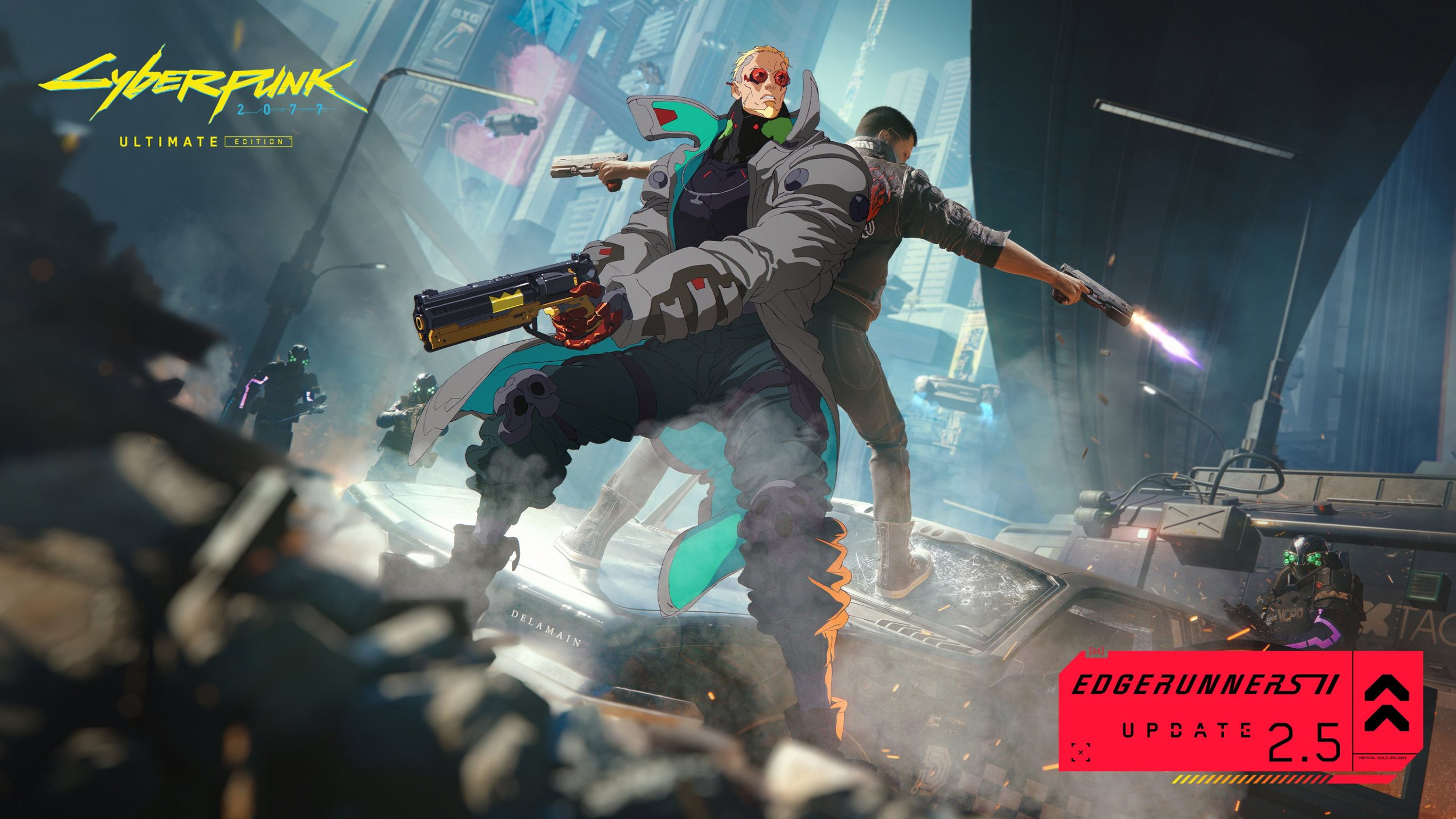
Meanwhile, Cyberpunk 2077 Update 2.5 upgrades its existing DLSS technologies to second generation AI models, including improvements to Super Resolution, Ray Reconstruction and Frame Generation. Dynamic Multi Frame Generation is also introduced, providing additional performance options for compatible RTX 50 GPUs.
The driver additionally prepares systems for Phantom Blade Zero, launching October 28, and Crimson Desert Enhanced: Charting the Unknown, arriving October 29, both featuring DLSS 4.5 technologies. Several stability fixes are included, addressing crashes in Wuthering Waves, Star Citizen and Surviving Mars, alongside display issues involving high refresh rate monitors.
Despite the improvements, Advanced Shader Delivery cannot eliminate every source of stuttering. Performance interruptions caused by asset streaming, CPU bottlenecks or missing shader configurations still require game specific optimization. The technology also depends on developers integrating the necessary shader databases rather than functioning as a universal driver level fix.
GeForce Game Ready Driver 621.01 is available through the NVIDIA App and NVIDIA's official driver download page.
Advanced Shader Delivery could become one of the most valuable improvements to PC gaming in recent years because it targets performance consistency rather than simply increasing average FPS. Even powerful gaming systems can experience noticeable stuttering when games compile shaders during gameplay, making the issue particularly frustrating for enthusiasts investing in expensive hardware.
Moving shader compilation into the distribution process is a practical solution, and Microsoft's reported 95% reduction in Gears of War: E Day demonstrates its potential. However, the technology's long term success will depend on widespread developer adoption and integration across major storefronts.
NVIDIA's support is an important milestone, but the fact that Advanced Shader Delivery also works across AMD, Intel and Qualcomm hardware makes it especially significant. Unlike proprietary GPU acceleration features, this approach could establish a more consistent performance standard across the entire Windows gaming ecosystem.
Do you think Advanced Shader Delivery could finally eliminate shader compilation stutter in modern PC games, or should developers be doing more to optimize their games before launch?
