
Xbox Attracts $150 Billion Buyout Interest, but Microsoft Insists Gaming Division Is Not for Sale
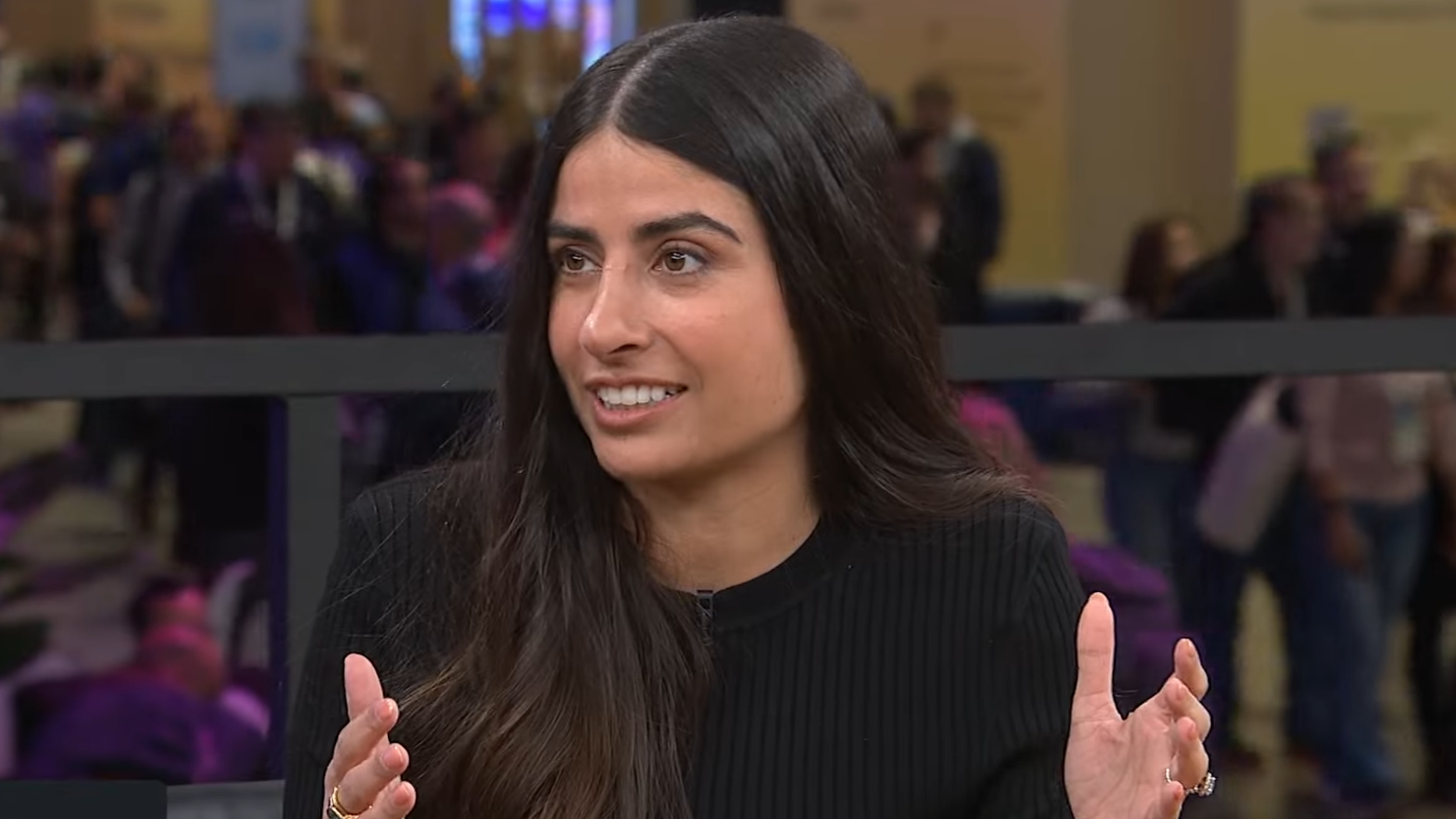
Microsoft's Xbox gaming division has reportedly attracted interest from private equity firms considering a potential acquisition valued between $100 billion and $150 billion. Despite the substantial valuation, Microsoft has firmly rejected the possibility of selling its gaming business, emphasizing its commitment to restructuring Xbox under CEO Asha Sharma as the company works to restore profitability and strengthen its position in the gaming industry.
According to an investigation by The Information, several private equity firms explored a possible joint acquisition of Xbox in recent months. However, these discussions remained preliminary and never progressed into formal negotiations with Microsoft. The identities of the interested investors were not disclosed, and the reported valuation represents an assessment by potential buyers rather than an official asking price.
"Xbox is not for sale."
— Quote by: Microsoft spokesperson
The reported valuation highlights the enormous financial scale of Microsoft's gaming business, which includes Xbox hardware, Game Pass, Bethesda, Activision Blizzard and major franchises such as Call of Duty, Minecraft, Diablo and The Elder Scrolls. A transaction approaching $150 billion would significantly exceed the $55 billion acquisition of Electronic Arts by private investors, although the precise assets included in the hypothetical Xbox valuation remain unclear.
Xbox Financial Overview
| Financial Metric | Reported Figure |
|---|---|
| Potential Acquisition Valuation | $100 billion to $150 billion |
| Fiscal 2026 Gaming Revenue | $21.79 billion |
| Annual Revenue Change | Down 7% |
| Xbox Hardware Revenue | Down 29% |
| Internal Accountability Margin | Approximately 3% |
| Workforce | Approximately 14,000 employees |
| Microsoft Sale Position | Not for sale |
Financial figures cover Microsoft's fiscal year ending June 30, 2026. The acquisition valuation is speculative, while the accountability margin is based on internal reporting rather than Microsoft's standard GAAP operating margin.
The financial challenges help explain the interest surrounding Xbox's future. According to Microsoft's 2026 annual report, gaming revenue declined from $23.46 billion in 2025 to $21.79 billion in 2026, with falling console sales contributing to the downturn. These results have increased pressure on Microsoft's leadership to improve operational efficiency following years of acquisitions and investment in gaming content.
Under Asha Sharma, Xbox has begun one of its most significant restructuring initiatives, including workforce reductions, studio reviews and a greater focus on commercially successful franchises. The company has also reportedly considered reorganizing Xbox as a wholly owned subsidiary or establishing joint ventures with external partners. These possibilities follow broader restructuring efforts affecting several established Xbox studios.
However, restructuring does not necessarily indicate an intention to sell. Sharma has repeatedly emphasized Microsoft's commitment to Xbox while exploring operating models that could improve financial sustainability. The company's expanding PC gaming strategy, Game Pass ecosystem and upcoming Project Helix hardware remain important elements of its long term direction.
Any potential acquisition would also face substantial financial and regulatory challenges. Few private equity firms could independently finance a transaction exceeding $100 billion, making a consortium more likely if Microsoft ever reconsidered its position. For now, there is no confirmed sale process, formal offer or indication that Microsoft intends to transfer ownership of Xbox.
The reported $150 billion valuation demonstrates that Xbox remains an extraordinarily valuable gaming business despite declining hardware sales and pressure on profitability. Its extensive intellectual property portfolio, established studios and subscription ecosystem create significant long term potential, but converting those assets into sustainable growth remains Microsoft's biggest challenge.
A private equity acquisition could introduce even stronger pressure to reduce costs, potentially affecting development studios, subscription pricing and long term investment in original games. Conversely, remaining under Microsoft provides Xbox with access to substantial financial resources and technical infrastructure.
The more important question is whether Xbox can establish a sustainable business model without sacrificing the creative studios and franchises responsible for its value. Selling the division might generate an enormous transaction, but rebuilding player confidence and delivering successful games could ultimately prove more valuable.
Do you think Xbox would perform better as an independent gaming company, or should Microsoft retain ownership and continue rebuilding the brand under Asha Sharma?
